US House Unanimously Passes Bill to Establish South Korea-US-Japan Congressional Dialogue Channel

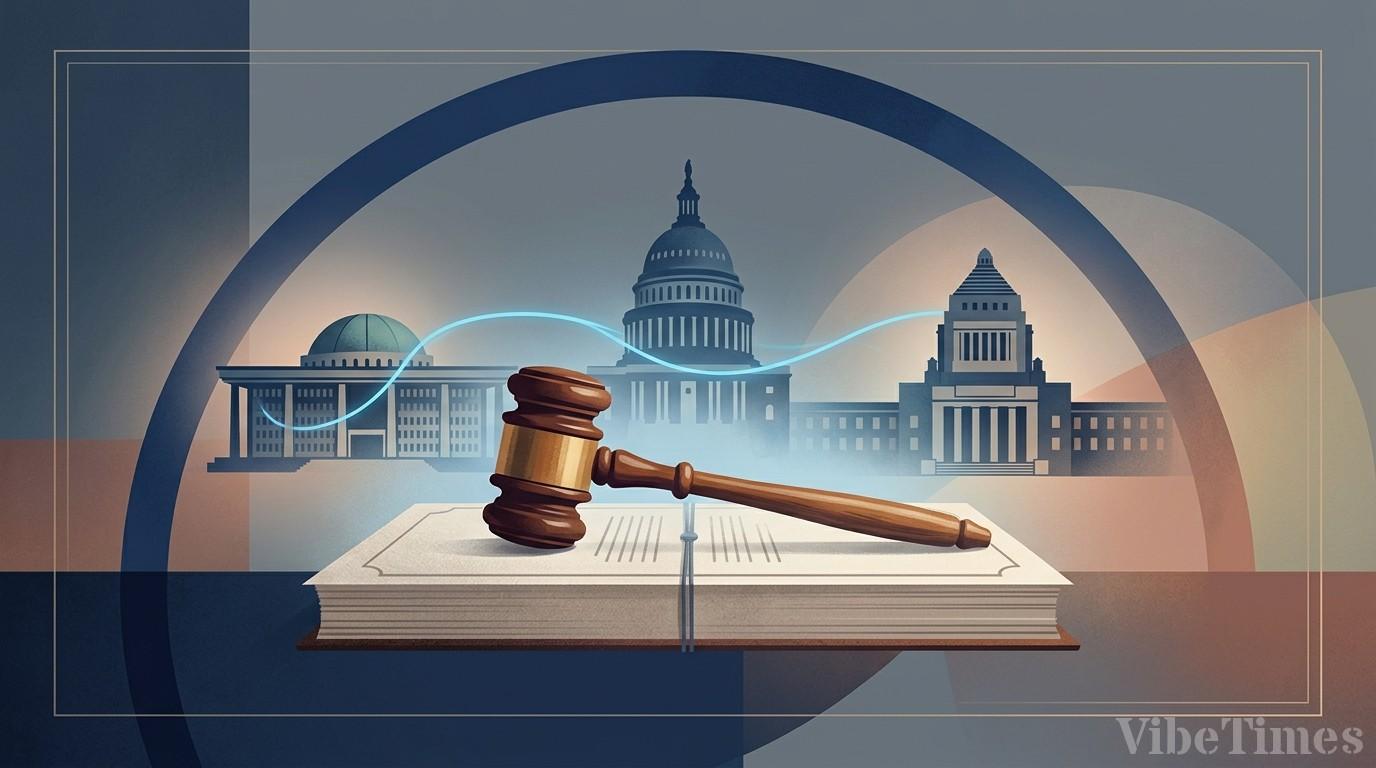
US House Unanimously Passes Bill to Establish South Korea-US-Japan Congressional Dialogue Channel... Expecting Enhanced Cooperation
The US House of Representatives has unanimously passed a bill to establish an official dialogue channel among the legislative bodies of South Korea, the United States, and Japan. On the 8th local time, the 'United States-Japan-South Korea Trilateral Cooperation Act' passed the House Plenary Session with overwhelming support. This marks the culmination of about a year of discussions, which first began in the Subcommittee on East Asia, the Pacific, and Nonproliferation under the House Foreign Affairs Committee on May 15 last year.
The core of this bill is to build a regular dialogue channel between the three countries' legislatures to further solidify security and economic cooperation in Northeast Asia. According to the bill, the US Secretary of State must initiate formal negotiations with the governments of South Korea and Japan in consultation with Congress within 180 days of the bill's enactment. Through this, the three nations will explore cooperation methods based on common interests and values.
Background and Key Provisions of the Bill's Passage
Amidst the growing complexity of the international political landscape and increasing regional challenges, the necessity for close cooperation among South Korea, the US, and Japan has been increasingly emphasized. In particular, various diplomatic, security, and economic issues, such as North Korea's nuclear and missile threats, China's rise, and supply chain instability, necessitate policy coordination and joint responses among the three countries. In this context, an official communication channel between legislatures is expected to complement government-level diplomatic efforts and secure mutual understanding and support at the congressional level.
The bill outlines specific goals for trilateral cooperation: ▲ Promoting democracy and the rule of law ▲ Maintaining regional peace and stability ▲ Enhancing economic prosperity ▲ Jointly responding to transnational threats such as climate change and pandemics. This reflects a commitment to strengthen cooperation not only in security but also in comprehensive areas including economy, environment, and health. Through inter-parliamentary dialogue, lawmakers from each country can gain in-depth understanding of their counterparts' policy objectives and domestic situations, which could positively influence future legislative proposals or policy-making processes among the three nations.
Congressman Ami Bera (Democrat), as the Ranking Member of the Subcommittee on Asia, the Pacific, and Nonproliferation, reportedly played an active role in the bill's passage. Led by his initiative, the bill proceeded through the House Foreign Affairs Subcommittee and was brought to the floor, ultimately passing with unanimous, overwhelming support. This serves as a testament to the broad consensus within the US Congress regarding the importance of trilateral cooperation, transcending party lines.
Analysis of Market and Industry Impact
While the US House's passage of this bill carries significant diplomatic symbolism in the short term, its potential long-term impact on related industries and markets cannot be overlooked. Specifically, strengthened cooperation among the three countries could create new opportunities in various fields, including technology standards, supply chain reorganization, and joint research and development (R&D). For instance, enhanced collaboration in advanced technology sectors could elevate the competitiveness of key industries such as semiconductors, artificial intelligence, and batteries.
Furthermore, the bill's emphasis on cooperation based on 'common interests and values' could reinforce technological alliances within the democratic bloc. This has the potential to reduce technological dependency on specific countries and serve as a positive signal for companies seeking to build stable supply chains. However, as the specific scope of cooperation and implementation plans have not yet been finalized, market participants need to closely monitor future detailed discussions. The bill still has to pass both the Senate and receive the President's signature to become law.
This bill is highly significant as it establishes a formal forum for the legislatures of the three countries to meet regularly and discuss shared concerns such as North Korea's nuclear threats, supply chain stabilization, and climate change response. This will enable in-depth communication and cooperation at the congressional level, which has been difficult to achieve through government-level diplomatic efforts alone.
Separately, while not directly related to this bill, the government's recent move to expedite legislation for the construction of nuclear-powered submarines (SSNs) is also noteworthy. The Ministry of National Defense, along with relevant ministries such as the Ministry of Economy and Finance and the Ministry of Foreign Affairs, has held meetings of an inter-agency task force (TF) to discuss accelerating the legislative process for SSNs. This could serve as a factor highlighting the necessity of technological and strategic cooperation with allies, alongside enhancing independent maritime security capabilities. Of course, issues related to nuclear submarines are sensitive matters directly linked to national security, requiring a cautious approach that thoroughly considers international norms and the trends of various countries.
Future Outlook and Implications
The 'United States-Japan-South Korea Trilateral Cooperation Act,' passed by the US House of Representatives, must now clear the next hurdle of Senate approval. Given the widespread support for trilateral cooperation confirmed within the US Congress, the possibility of Senate passage is considered high. If the bill subsequently receives the President's assent and is finally enacted, the establishment of an official dialogue channel between the three countries' legislatures will begin in earnest. Active response and cooperation from the South Korean National Assembly and government will be crucial in this process.
This bill could serve as an opportunity to elevate the strategic partnership among the three nations. In particular, dialogue at the congressional level is expected to foster understanding among the publics of both countries and positively influence the building of a future-oriented relationship. Economically, it can contribute to expanding trade, investment, and technological exchange, as well as strengthening collective economic security. For example, if cooperation among the three countries intensifies in areas such as protecting sensitive technologies and enhancing supply chain resilience, it could provide new business opportunities for related companies while simultaneously increasing their resilience against unpredictable external shocks.
Ultimately, the successful implementation of this bill is expected to play a significant role in effectively managing the challenges faced by the three nations in the evolving international order and promoting regional peace and prosperity. However, the adjustment of various interests and the exploration of practical cooperation methods that may arise during the formulation of specific implementation plans and operational processes will remain tasks ahead. Investors and businesses should closely monitor the outcomes of inter-parliamentary consultations among the three countries and concrete policy implementation trends to capture strategic opportunities.