How to Plan Meals That Use Up Refrigerator Ingredients for Single-Person Households

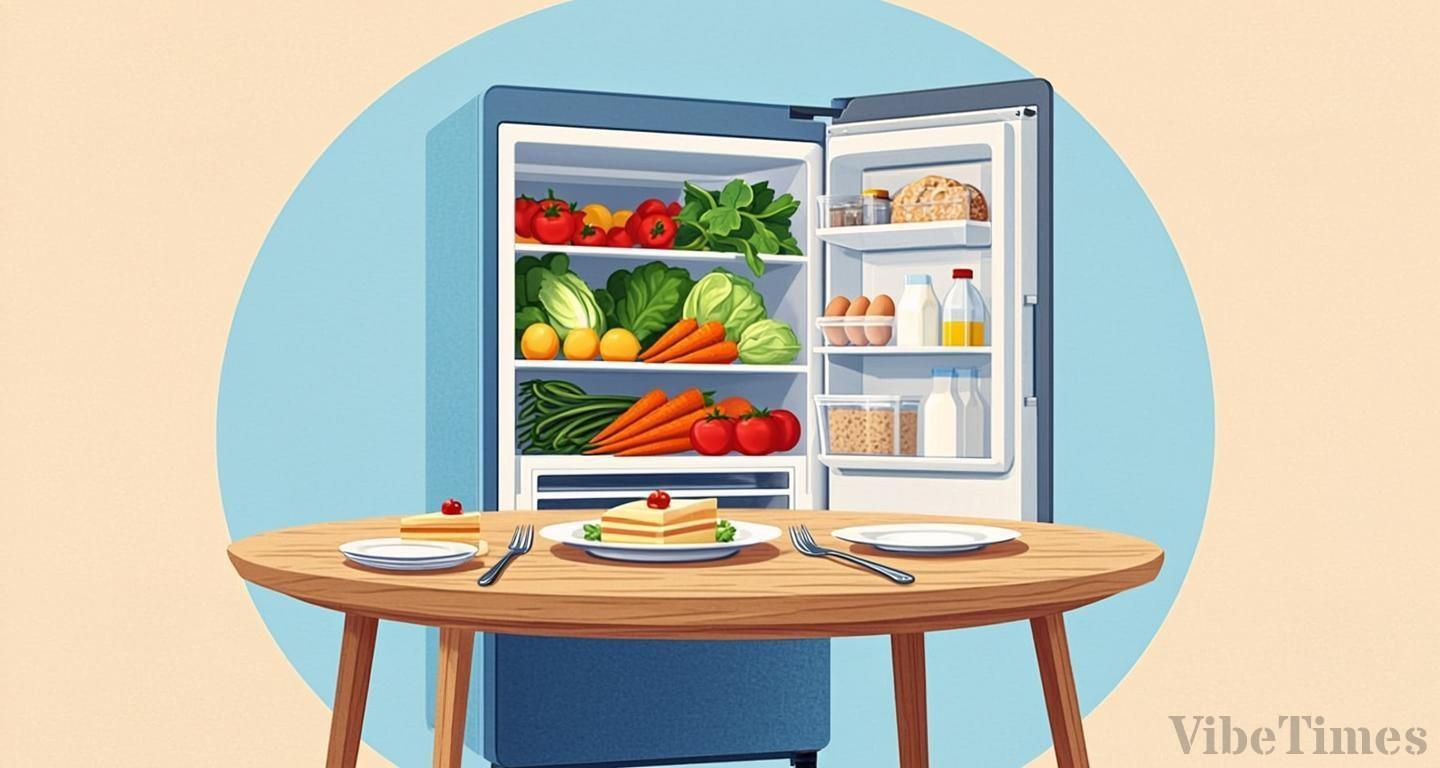
Four Habits Create Waste
What Wasted Fridges Have in Common
Refrigerators where ingredients rot follow a pattern. The first is impulse buying swayed by sales and bulk discounts. The second is unplanned grocery shopping done without knowing what's in the fridge. The third is poor storage of vegetables and fruits that makes them spoil quickly. The fourth is recipe rigidity—buying ingredients for a specific dish, using only part of them, and letting the rest sit.
When structural problems overlap with personal habits, waste becomes fixed. When purchase quantities exceed cooking amounts, leftovers pile up no matter how hard you try to save. Ultimately, the solution is not to shop less, but to build a consumption system that uses up everything you buy.
The Key: Meals That Start from the Fridge, Not the Grocery List
Photograph Your Fridge Before Shopping
Meal planning starts with the refrigerator, not the supermarket list. Taking photos of your fridge, freezer, and pantry before heading out prevents duplicate purchases. Decide first what to make with what you have, and buy only the missing seasonings and side ingredients. The key is shifting your shopping goal from 'acquiring new ingredients' to 'using up existing ones.'
The FIFO Principle: Eat in Order of Perishability
Baby greens last 2–4 days refrigerated, mushrooms 4–7 days, and carrots 2–4 weeks. Reflecting these shelf-life differences in your meal plan reduces waste. Set a consumption order that eats perishable ingredients first, and apply FIFO (First In, First Out) inside the fridge by placing older items in front and newer ones behind. Even with the same ingredients, simply adjusting when you take them out makes a big difference.
A Single-Serving Storage System: Portion Immediately After Purchase
Meat at 150–200g, Vegetables Unwashed
Raw meat lasts only 1–2 days in the refrigerator. If you divide it into 150–200g single-serving portions immediately after purchase, seal them in plastic wrap or zip-lock bags, and freeze them, they'll keep for 2–3 months. This is the surest way to avoid repeated thawing and refreezing. Wrapping unwashed vegetables in paper towels and storing them in airtight containers slows moisture-related softening. Freezing chopped onions, garlic, and green onions in portions also cuts down cooking time.
Put Thawing on Your Meal Plan Too
Build a routine of moving frozen items from the freezer to the fridge the night before for natural thawing—and include it in your meal plan. Recording thaw timing, such as taking out Tuesday morning's meat on Monday night, breaks the vicious cycle of ordering delivery when pressed for time while frozen ingredients sit neglected.
Multiple Dishes from One Ingredient, Turning Scraps into Ingredients
The One-Ingredient, Two-Dish Rule
Cooking a single ingredient differently across multiple meals tackles both monotony and waste at once. For example, transform a pack of chicken breasts into grilled chicken on Monday, a salad topping on Wednesday, and fried rice on Friday. Making a weekly meal plan that carries Tuesday's leftover chicken and bell peppers into Wednesday's chicken stir-fry noticeably raises ingredient usage rates. It's also effective to reserve one day out of the week as a 'clean out the fridge' cooking day that uses up all remaining ingredients.
Redefining What You'd Throw Away as Ingredients
Turn scallion roots and onion skins into stock, and convert vegetables on the verge of going soft into porridge, purées, stir-fries, or soups. A single bowl of leftover rice becomes fried rice or rice balls. Pre-selecting two or three recipes for leftover ingredients lets you use them up right away without panicking.
Shopping Strategies That Change Shopping Itself
The Trap of Bulk Discounts
For single-person households, buying in bulk that's cheaper per unit is actually an expensive choice. When you factor in what gets thrown away, small packages are often more economical. Even with a buy-one-get-one-free deal, throwing one away means a net loss. Before buying, use the question 'Can I use all of it up?' as your criterion. Other options include single-serving cuts from the butcher, small-package delivery services, and frozen vegetables. Nutritionists recommend frozen vegetables because they're flash-frozen right after harvest with minimal nutrient loss, making them no inferior to fresh produce.
Twice-Weekly Small Shopping Trips with 20% Flexibility
A once-a-week bulk shopping trip carries a high risk of waste for single-person households. Many experts say smaller trips every 3–4 days—twice a week—strikes the best balance among cost, waste, and convenience. Write only the minimum items reverse-engineered from your meal plan, and in principle ban off-list purchases. However, a meal plan that's too rigid collapses after a single restaurant meal or delivery order, leaving ingredients behind. Leaving about 20% flexibility in your meal plan is the sustainable line.
Three Things to Watch Out For
The Freezer Isn't a Cure-All
Even frozen storage has a limit of 2–3 months. Long-frozen foods lose quality and flavor, so label them with dates and use them in order. Cooked food should be eaten within 3 days refrigerated, and reheated to at least 75°C when reheating—guidelines recommended by the Ministry of Food and Drug Safety.
Distinguishing Sell-By from Use-By Dates
Since 2023, both the 'display-by date' and 'use-by date' have been labeled side by side. The habit of discarding food simply because the sell-by date has passed should be corrected to a use-by date standard. Eggs in particular should be judged by the use-by date.
Eat the oldest first, store in portions, keep recipes flexible, optimize your shopping. Even starting with just one of these four pillars will bring a noticeable change in food waste and grocery costs. The habit of starting with a single photo of your fridge can be the first step toward saving hundreds of thousands of won in annual waste.