Prosecution Seeks 18 Months for Mayor Oh Se-hoon

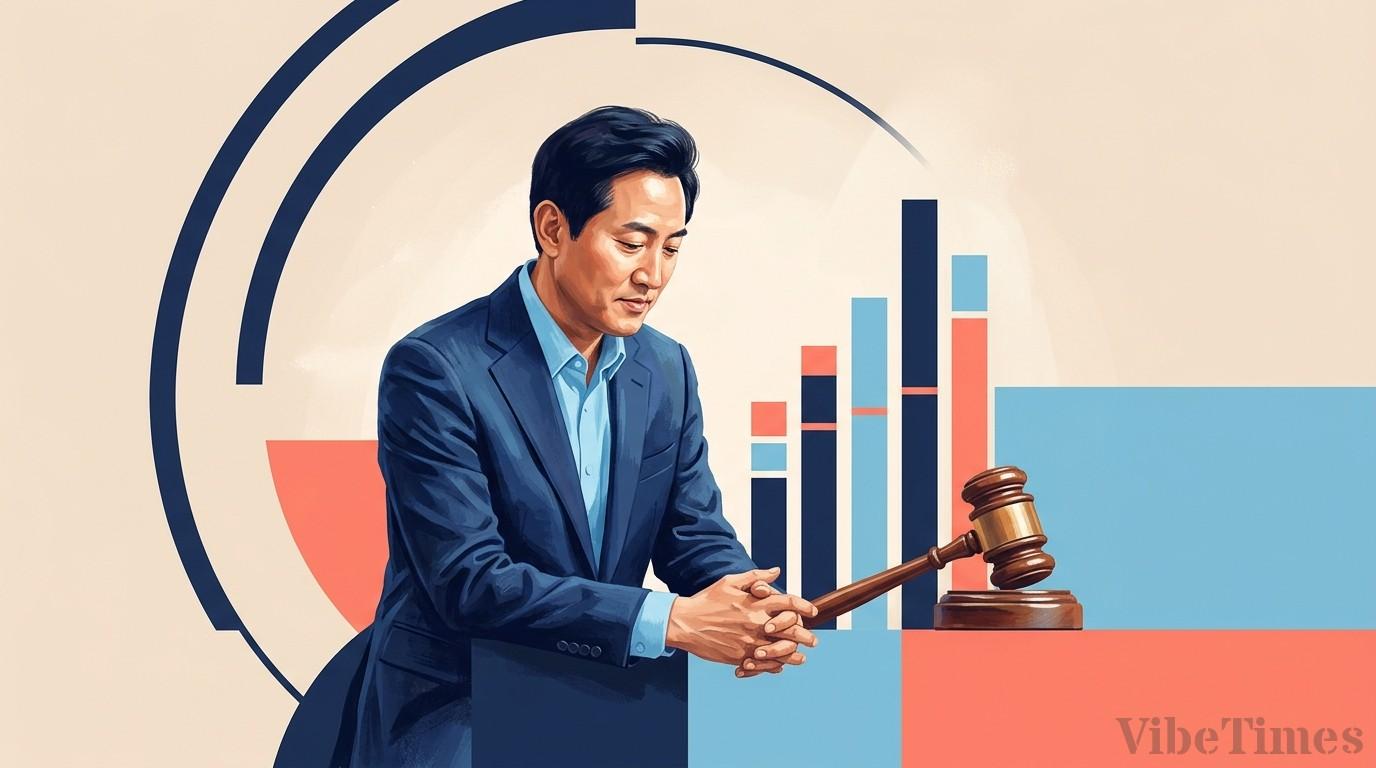
Prosecution Seeks 18-Month Sentence for Mayor Oh Se-hoon; Analysis of Allegations of Illicit Payment for Polls
On June 17, 2026, at the final hearing held before the Criminal Division 22 of the Seoul Central District Court (Presiding Judge Cho Hyung-woo), the special prosecution team requested a sentence of 1 year and 6 months imprisonment and a forfeiture of 33 million won against Oh Se-hoon, the Mayor of Seoul. This marks the prosecution's final stance on the 'allegations of illicit payment for opinion polls related to political broker Myung Tae-gyun' that emerged during the 2021 Seoul mayoral by-election. The court's ruling is scheduled to be announced on the 22nd of next month. This sentencing recommendation stems from the investigation and trial of charges filed by the Special Prosecutor Team for Kim Keon-hee (Special Prosecutor Min Joong-ki) on June 17, 2026. The prosecution alleges that Mayor Oh commissioned opinion polls from Mr. Myung and arranged for their costs to be covered by donors.
This case reignited suspicions surrounding political funds that surfaced during the 2021 Seoul mayoral by-election, drawing significant attention from within and outside the political sphere. At the time, Mr. Myung conducted opinion polls related to Mayor Oh's election campaign, and allegations arose that the costs incurred exceeded the legal limits for campaign donations or were paid illegally. The prosecution determined that Mr. Myung's act of having donors directly bear the poll costs undermined fairness in the election campaign process. In response to these charges, Mayor Oh Se-hoon has maintained his innocence throughout the trial, stating he would abide by the court's legal judgment.
Background and Key Issues of Allegations of Illicit Poll Cost Payments
The recommendation of an imprisonment sentence for Seoul Mayor Oh Se-hoon stands at the apex of a complex case known as the 'Myung Tae-gyun poll cost payment allegations' during the 2021 Seoul mayoral by-election. At that time, Mayor Oh's campaign commissioned numerous opinion polls from specialized survey firms. During this process, Myung Tae-gyun, identified as a political broker, made contact with the relevant firms, and the core of the prosecution's investigation was the circumstantial evidence that poll costs commissioned by Mr. Myung were directly paid by third-party donors, rather than the election campaign or official sponsors. The prosecution viewed these actions as violations of the Political Funds Act. Specifically, the issue of poll costs being covered by funds exceeding legally permissible donation limits or from unclear sources became a focal point.
In response, Mayor Oh Se-hoon's side has argued that there were no legal issues in commissioning the opinion polls, and that he was unaware of any such payment arrangements or that they occurred without the campaign's official directive. Furthermore, they emphasized that the polls were an essential part of campaign strategy development and are expected to argue for acquittal on the charges. However, the prosecution stated it has secured evidence of illicit financial flows through detailed investigations into Mr. Myung's relationship and the channels through which poll costs were paid. This case extends beyond a simple campaign finance issue, sparking broad societal debate regarding the potential involvement of political brokers and the transparency of election processes. Within the political arena, discussions continue regarding the accountability of politicians involved in these allegations and the appropriate legal penalties.
Debate and Expert Opinions
As the legal judgment in this case approaches, diverse opinions are clashing within political circles and civil society. Mayor Oh Se-hoon's primary support base and conservative factions are protesting the prosecution's recommendation, viewing it as a politically motivated attack. Lee Jun-seok, leader of the Reform Party, questioned the prosecution's investigation and indictment process by stating that an acquittal is expected and that the indictment itself may have been the objective, reflecting a perspective that criticizes the timing of the prosecution's case in relation to political events. Conversely, some opposition parties and civic groups argue that these allegations seriously undermined the fairness of the election process and political transparency, calling for strict legal penalties. Some have also leveled strong criticism, such as calling it a "Myung Tae-gyun scenario, starring Myung Tae-gyun and directed by the special prosecutor, a highly unscrupulous and immoral indictment timed for the election period," suggesting that political intent overshadowed the substance of the case.
Legal experts analyze that the crux of this case hinges on proving clear intent and illegality in the 'payment cover-up.' If it is clearly proven that Mayor Oh's side was aware of and condoned or directed the payment of poll costs, the charges of violating the Political Funds Act are likely to be recognized. However, if the argument that these were independent actions by campaign officials or that the payment was made without their knowledge is accepted, the scope of legal responsibility could differ. The 33 million won in forfeiture is estimated to be the amount of the poll costs covered, and the legality of this amount will be a crucial factor in the ruling. The court will determine guilt or innocence and sentencing based on the presented evidence and legal principles, and the case is expected to significantly influence future similar political funding cases.
Future Outlook and Legislative Implications
The first-instance ruling for Seoul Mayor Oh Se-hoon is scheduled to be announced on the 22nd of next month. If the mayor is found guilty, political repercussions concerning the stability of Seoul's administration are deemed inevitable. The possibility of losing his mayoral position and a subsequent by-election could arise. Separately, this case has served as an occasion to reaffirm societal demands for strengthening transparency in the use of opinion polls and political funds during election campaigns. While current laws, including the Political Funds Act and the Public Official Election Act, stipulate transparent execution of campaign-related expenses, various methods of subtly evading legal frameworks have been observed in actual cases.
This case could prompt active legislative discussions to address loopholes in political funding laws and ensure transparency among polling firms while blocking the involvement of political brokers. For instance, alongside the protection of the rights of the socially vulnerable, which Representative Byun Eun-ah has emphasized, strengthening the fairness and transparency of election processes is a critical task forming the foundation of democracy. Furthermore, voices are likely to grow louder for the establishment of legal and institutional safeguards against illegal information manipulation and financial flows during elections, in addition to measures for combating fake news, as mentioned by Lee Jun-seok. Attention is focused on the political and institutional changes this case will bring, alongside the court's final verdict.