Post-Work Fatigue Holding Back Professionals? Solutions for Self-Development

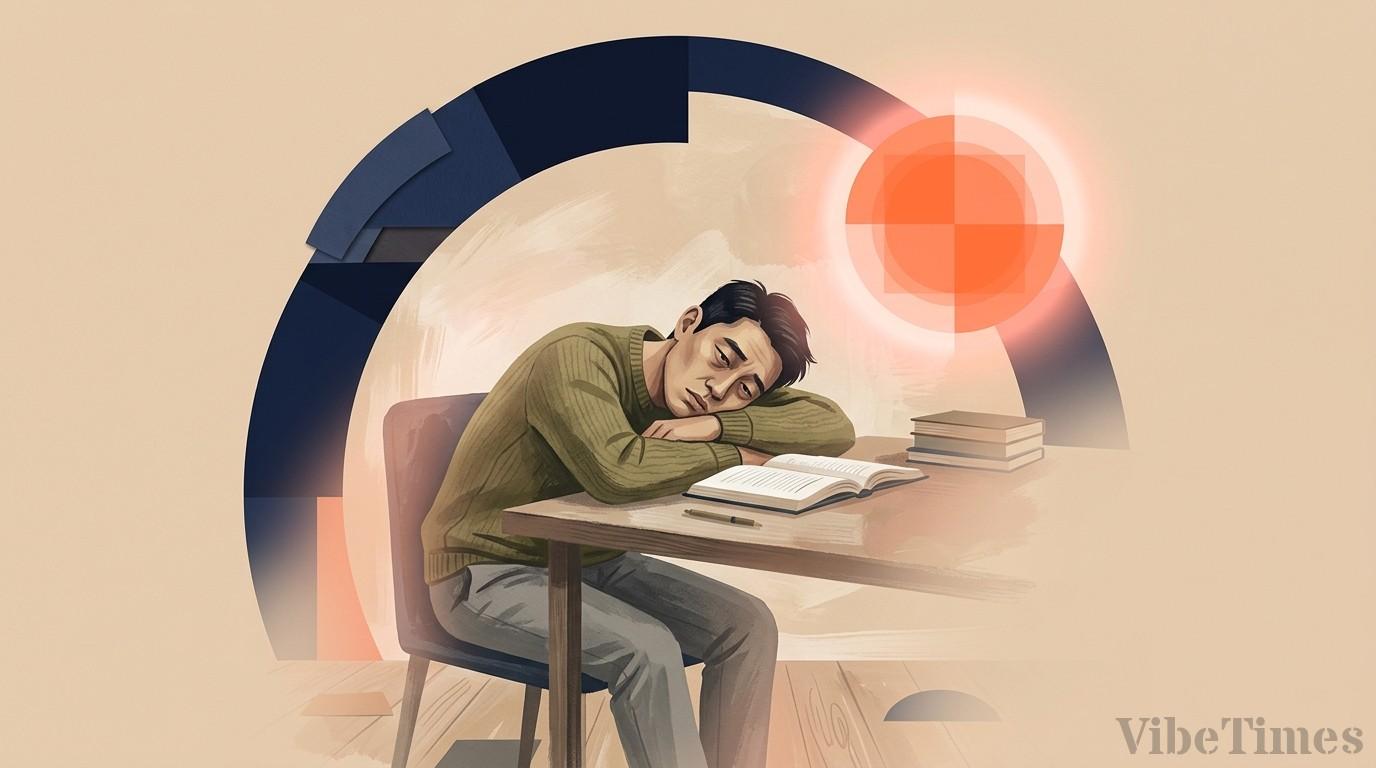
Post-Work Fatigue: Solutions for Professionals Hesitating on Self-Development
It is a major obstacle to personal growth for office workers, who feel extreme fatigue after work due to long hours and job stress, to hesitate on self-development. This is not simply a lack of willpower, but a real issue of energy depletion, requiring realistic and concrete strategies to overcome it and achieve sustainable growth.
1. Energy Depletion: A Realistic Diagnosis Hindering Self-Development
Post-Work Fatigue: A Signal of 'Survival Mode,' Not 'Laziness'
Many office workers dismiss their post-work lethargy and fatigue as personal laziness or a lack of willpower. However, this is a natural discharge phenomenon occurring when the brain and body are exhausted from prolonged cognitive and emotional labor. High-intensity work, frequent overtime, emotional labor, and complex interpersonal relationships, in particular, rapidly deplete the energy remaining after work, fundamentally exhausting the capacity for learning or new endeavors. This can lead to a vicious cycle of harming one's health or experiencing burnout by trying to pursue self-development at the expense of sleep.
As of 2022, South Korea's average annual working hours were around 1,900 hours, still higher than the OECD average of approximately 1,750 hours. This results in an absolute shortage of time that can be devoted to personal life after work, making it difficult to start new challenges when energy levels are already significantly low. The reality that over 80% of office workers experience job stress, and a considerable number report it is not resolved even after work, further exacerbates this state of energy depletion.
Expanding the Scope of Self-Development and the Motivation Dilemma
Self-development, which was once limited to improving specific job skills or acquiring certifications, has recently expanded to include learning new technologies like AI and data science, cultivating soft skills, and even hobbies for work-life balance and mental health management. While opportunities for learning have increased with online courses and webinars due to accelerated digital transformation, many office workers feel overwhelmed by the sheer number of choices, unsure of where to start. The anxiety of falling behind in a rapidly changing society acts as pressure, becoming a complex factor that, along with fatigue, makes them hesitate more about self-development.
In this situation, according to research reports from the Ministry of Employment and Labor and the Korea Research Institute for Vocational Education & Training, participation rates in adult self-development programs remain steady, but a significant portion state they cannot participate or drop out due to 'lack of willpower,' 'lack of time,' or 'fatigue.' Furthermore, eye strain, neck/shoulder pain, and mental fatigue (Digital Fatigue) caused by excessive use of digital devices also hinder post-work self-development. This digital fatigue depletes the brain's cognitive resources, such as attention, concentration, and decision-making abilities, reducing the motivation to engage in new learning or complex task performance. Psychologist Kim OO likens this fatigued state to 'survival mode,' diagnosing that it is difficult to generate the will to learn new things or perform complex tasks.
2. How to Recharge Energy 'Efficiently,' Rather Than Reducing Sleep
Ultra-Short Bursts of Focus: Utilizing 'Broken-Down' Learning Time
If studying for several hours after work is difficult, it is more effective to utilize short periods of 10-20 minutes intensively. For example, listening to podcasts on public transport on the way home, or summarizing key points for 15 minutes after dinner. Practicing focused attention on a specific topic for even 30 minutes daily is less tiring than extended study sessions and helps maintain consistency. The key is to break down learning goals into very small, 'achievable' steps.
This 'Micro-learning' strategy, which divides self-development activities into small 10-20 minute units, offers a realistic alternative for professionals short on time and energy. For instance, instead of '1 hour of English study,' it can be specified as 'Memorize 10 vocabulary words (5 minutes)' or 'Watch a 10-minute clip of a drama and practice shadowing.' This approach helps maintain motivation by providing frequent small sense of accomplishment and makes learning accessible without feeling overwhelmed.
'Active Rest' for Recharge: Making Fatigue Recovery Part of Self-Development
Passive rest, such as simply lying on the sofa and scrolling through a smartphone, does not allow the brain to rest sufficiently. Instead, it is important to recover energy through 'active rest'—activities that do not overly tax the brain but bring enjoyment, such as light walks, meditation, stretching, or listening to favorite music. Rather than forcing oneself to do something when energy is depleted, prioritizing fatigue recovery itself becomes a foundation for more efficient self-development in the long run. Also, do not forget that securing sufficient sleep time is essential for brain function recovery.
Experts call this 'active recovery' and explain that short walks or stretching, rather than intense exercise right after work, are effective for improving blood circulation and changing one's mood. It is also important to have time for self-focus, such as short meditation, deep breathing, listening to favorite music, or taking a warm shower. As career consultant Lee OO points out, many professionals only have a vague thought of 'I'll do it someday' without specific execution plans. Instead of using fatigue as an excuse, clear goal setting, efficient time utilization, and establishing appropriate rest strategies are necessary.
Securing adequate sleep is the basis of all energy management. For quality sleep, lifestyle improvements such as regular sleep times, using blackout curtains, and reducing screen time are necessary. Neuroscientist Park OO emphasizes the decline in frontal lobe function due to accumulated fatigue, stating that judgment, planning, and problem-solving abilities decrease when fatigued. Therefore, creating an 'optimal condition' is more important than 'forcing' oneself. Regular meals and nutritional intake also contribute to maintaining consistent energy levels.
3. Designing an Environment for 'Consistent' Effort Over 'Perfect' Execution
Utilizing 'Micro-Communities' to Aid Growth
If continuing self-development alone is difficult, seeking help from small groups or online communities with similar goals is effective. Even if attending online lectures or study groups is challenging, simply sharing brief daily learning outcomes or offering mutual encouragement can boost motivation. Small shares like 'I read X pages today' or 'I thought about this content' instill a sense of accountability and serve as a driving force for consistency through cooperation rather than competition.
In online communities like Ji-sik iN, one can easily find cases of individuals sharing their post-work struggles and experiences of overcoming fatigue to consistently pursue self-development. These communities go beyond simple information sharing; they strengthen motivation by providing positive stimulation and fostering a sense of solidarity. For example, the experiences of professionals who consistently balance hobbies and self-development by adopting a low-commitment approach of just 10-20 minutes, such as learning English conversation apps or studying for certifications, inspire many.
Creating Small Habits to Visualize 'Goals and Motivation'
Ultimately, clarifying what one wants to achieve through self-development and why it is important helps maintain motivation amidst energy depletion. To this end, it is advisable to set images on your desk or smartphone background that visually represent achieving your goals, or to cultivate a habit of feeling a sense of accomplishment by briefly recording your daily learning before bed. Additionally, instead of setting fixed study times, clearly define 'today's quota' and give yourself a small reward upon completion.
When setting self-development goals, it is crucial to use the SMART principle (Specific, Measurable, Achievable, Relevant, Time-bound) to set concrete and attainable objectives. For example, instead of 'study English,' set measurable and realistic goals like '30 minutes of English conversation pattern study daily' or 'Read one business book per week.' Along with these specific goals, as mentioned in Ji-sik iN references, finding activities that combine 'hobby + self-development' or activities that are 'mindless but hands-on' can be good examples that satisfy both stress relief and self-development simultaneously. Consistency is important, and these small success experiences accumulate to become the driving force for long-term growth.