Eco-Friendly Country House Interiors: Recommended Wooden Furniture

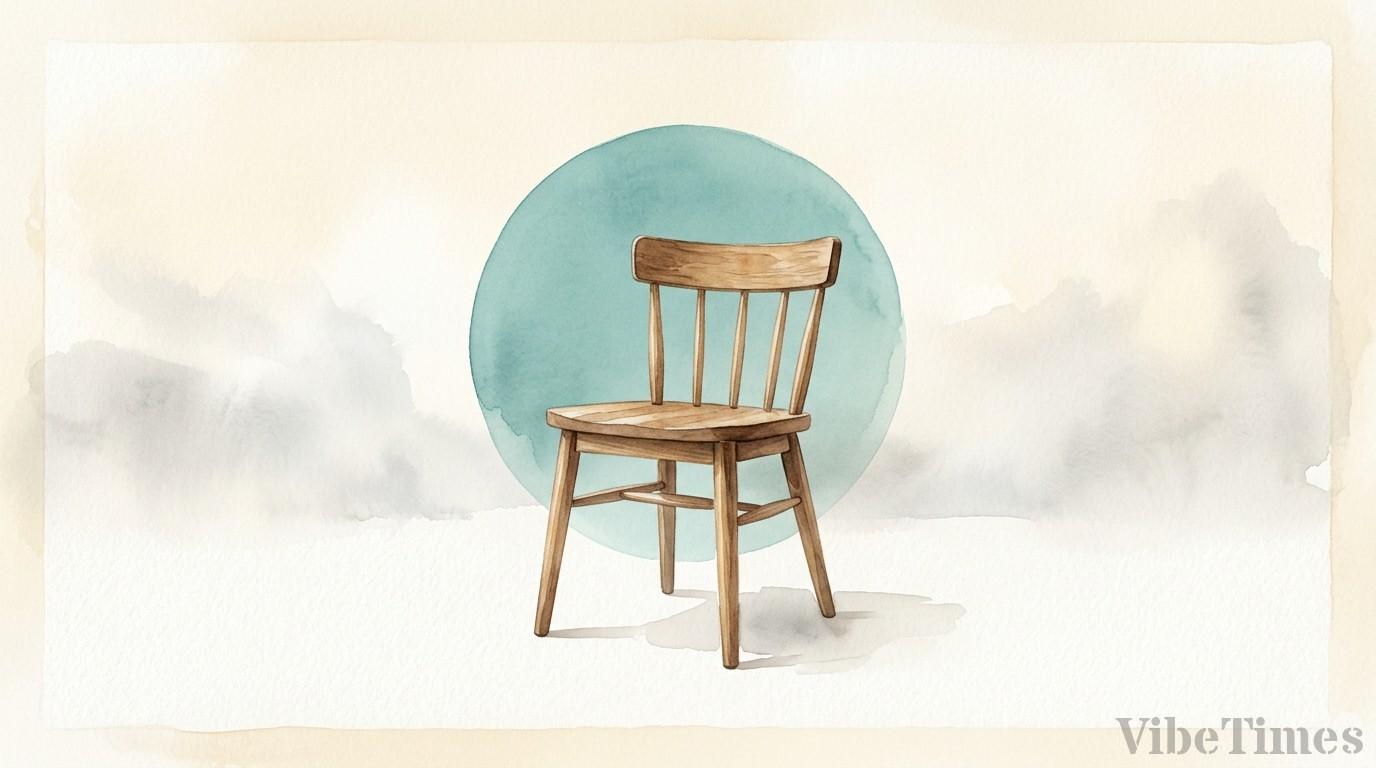
Eco-Friendly Country House Interiors: How to Utilize Wooden Furniture and Natural Materials to Enhance Health and Ambiance
For modern individuals seeking a healthy lifestyle and a deeper connection with nature, eco-friendly country house interiors are rapidly becoming an essential choice rather than a mere trend. In particular, wooden furniture and natural materials are drawing attention as key elements that add warmth and sustainability to a space, elevating the quality of life. Volatile Organic Compounds (VOCs) and formaldehyde emitted from modern residential materials and furniture are identified as primary causes of sick building syndrome, atopy, and allergies, leading to growing consumer concern about indoor air quality. Demand for building materials and furniture that are harmless to the human body or emit minimal harmful substances is exploding. Eco-friendly interiors offer a fundamental solution to these health concerns, with natural materials further gaining prominence for their ability to minimize harmful substances and even provide natural purification effects.
As awareness of global environmental issues such as climate change and resource depletion expands, 'sustainable consumption,' which considers the environmental impact throughout a product's lifecycle from production to use and disposal, has become crucial. Eco-friendly wooden furniture and natural materials are often sourced from renewable resources, are highly biodegradable, and are frequently manufactured using processes that minimize the use of harmful chemicals. This is recognized as a way for consumers to contribute to environmental protection while also realizing their personal values, proving exceptionally effective in creating a warm and cozy atmosphere in potentially stark country house settings, harmonizing with the natural environment.
1. Why Now? The Rise of Eco-Friendly Country House Interiors
1.1. Increased Focus on Improving Indoor Air Quality and Promoting Health
Modern residential spaces are often identified as major sources of various health problems, including sick building syndrome, atopy, and allergies, due to volatile organic compounds (VOCs) and formaldehyde emitted from building materials and furniture. The health impact is particularly amplified when exposed to these harmful substances for extended periods in sealed indoor environments. Consequently, consumer concern about indoor air quality has significantly intensified, leading to a surge in demand for building materials and furniture that are either harmless to the body or emit extremely low levels of harmful substances. Eco-friendly interiors offer a fundamental solution to these health issues, with natural materials gaining even greater value for their ability to minimize harmful emissions while also providing air purification benefits.
1.2. Societal Demand for Sustainable Consumption and Environmental Protection
With rising societal awareness of global environmental issues like climate change and resource depletion, shifts are being observed in consumer purchasing patterns. Unlike in the past, 'sustainable consumption,' which considers a product's environmental impact throughout its lifecycle from production to use and disposal, is emerging as a significant value, alongside price and functionality. Eco-friendly wooden furniture and natural materials are often derived from renewable resources, are highly biodegradable, and are frequently manufactured using processes that minimize the use of harmful chemicals. These characteristics are recognized as an attractive way for consumers to take care of their personal health, contribute to environmental protection, and realize their values through interior design.
1.3. Pursuing Connection with Nature and Psychological Stability
There is a growing desire among modern people to escape the complexities and stresses of urban life and find rest and stability in nature. Country houses are ideal spaces to fulfill this desire, and there is a clear trend towards maximizing psychological stability and comfort by actively incorporating natural materials into living spaces. The unique wood grain, subtle colors, and natural scents of wood invigorate indoor spaces, excelling at creating a warm and cozy atmosphere where it might otherwise feel stark. The aesthetic appeal of wooden furniture, which deepens with time, becomes a significant element that adds sophistication, history, and richness to a space.
2. The Power of Wooden Furniture to Infuse Country Houses with Natural Charm
2.1. The Appeal of Wooden Furniture: Bringing Warmth and Coziness
Wooden furniture possesses an inherent power to bring the warmth and coziness of nature into a space. The living texture of wood grain, its soft colors, and its subtle aroma provide residents with emotional stability and comfort. It harmonizes exceptionally well with the exterior environment of a country house, further enhancing the nature-friendly ambiance indoors. Unlike items that simply age, wooden furniture gains depth and emits a unique charm over time, holding a special value that adds prestige to a space.
2.2. Recommended Wooden Furniture and Material Selection Guide for Each Space
Selecting wooden furniture and materials suited to the characteristics of each area in a house is a crucial step in perfecting an eco-friendly interior. While wooden furniture is generally beloved for its high durability and developing charm over time, careful material selection is necessary considering the purpose and functionality of the space.
For the living room, placing wooden sofa frames, dining tables, or cabinets can add a sense of weight and stability. Woods like walnut, oak, and ash, with their prominent grain, are excellent for creating a luxurious yet comfortable atmosphere. In the kitchen/dining area, wooden dining sets or kitchen cabinets foster a natural and warm dining experience. However, given frequent contact with food, it is practical to opt for materials with water-resistant coatings or those that are easy to maintain.
In the bedroom, wooden bed frames, nightstands, and dressers can create a comfortable and stable atmosphere conducive to restful sleep. Woods such as cedar and cypress offer their characteristic phytoncide scent, contributing to mental and physical relaxation. Beyond these, factors such as wood strength, durability, and workability must be carefully considered based on the type and intended use of the furniture. Furthermore, it is essential to ensure that the furniture's finishes (oils, varnishes, etc.) are certified eco-friendly products to minimize VOC emissions, which is key to the interior design.
3. Beyond Wood: Natural Material Items Enriching Country Houses
3.1. Harmonious Use of Natural Materials Like Stone, Bamboo, and Natural Fibers
In addition to wooden furniture, various natural materials such as stone, bamboo, jute, cotton, and linen add diverse charm and richness to country house interiors. These materials, each with its distinct texture and properties, can create unique atmospheres. For instance, stone, whether used for kitchen countertops, bathroom walls, or as small accents like vases or lamp bases, imparts a cool and sophisticated feel. Bamboo, being lightweight, durable, and eco-friendly, is effective in creating an exotic yet refreshing ambiance when used for furniture, storage units, or flooring.
Furthermore, natural fiber materials like jute, cotton, and linen, crafted into various fabric items such as rugs, curtains, cushions, and bedding, add soft textures and breathability to a space, offering a comfortable and natural sense of openness. While these materials have different characteristics, when used harmoniously together, they create a synergistic effect that adds depth and vitality to the space.
3.2. Practical Guide to Purchasing and Maintaining Eco-Friendly Interior Items
Realizing an eco-friendly country house interior requires meticulous attention from item purchase to maintenance. When buying furniture, it is crucial to verify that the wood is sourced from sustainably managed forests certified by the FSC (Forest Stewardship Council) and that the finishes are eco-friendly products with low VOC content. Products with minimal processing and natural finishes best preserve the material's inherent qualities and are safer for the body, as minimal processing helps maintain the wood's natural breathability.
Wooden furniture can be sensitive to moisture and direct sunlight, so maintaining a dry environment and performing periodic oil treatments can extend its lifespan and preserve its beauty. For natural fiber materials, it is best to wash them in cold water with a neutral detergent to minimize deformation. Furthermore, creating DIY decorative items from discarded wood scraps or fabric remnants, or refurbishing (upcycling) existing furniture, are economical and creative eco-friendly interior solutions. These practices are meaningful activities that beautify one's personal space while also contributing to environmental protection.