#lifestyle
Overcoming Reduced Menstrual Flow and Decreased Athletic Performance with Mirena

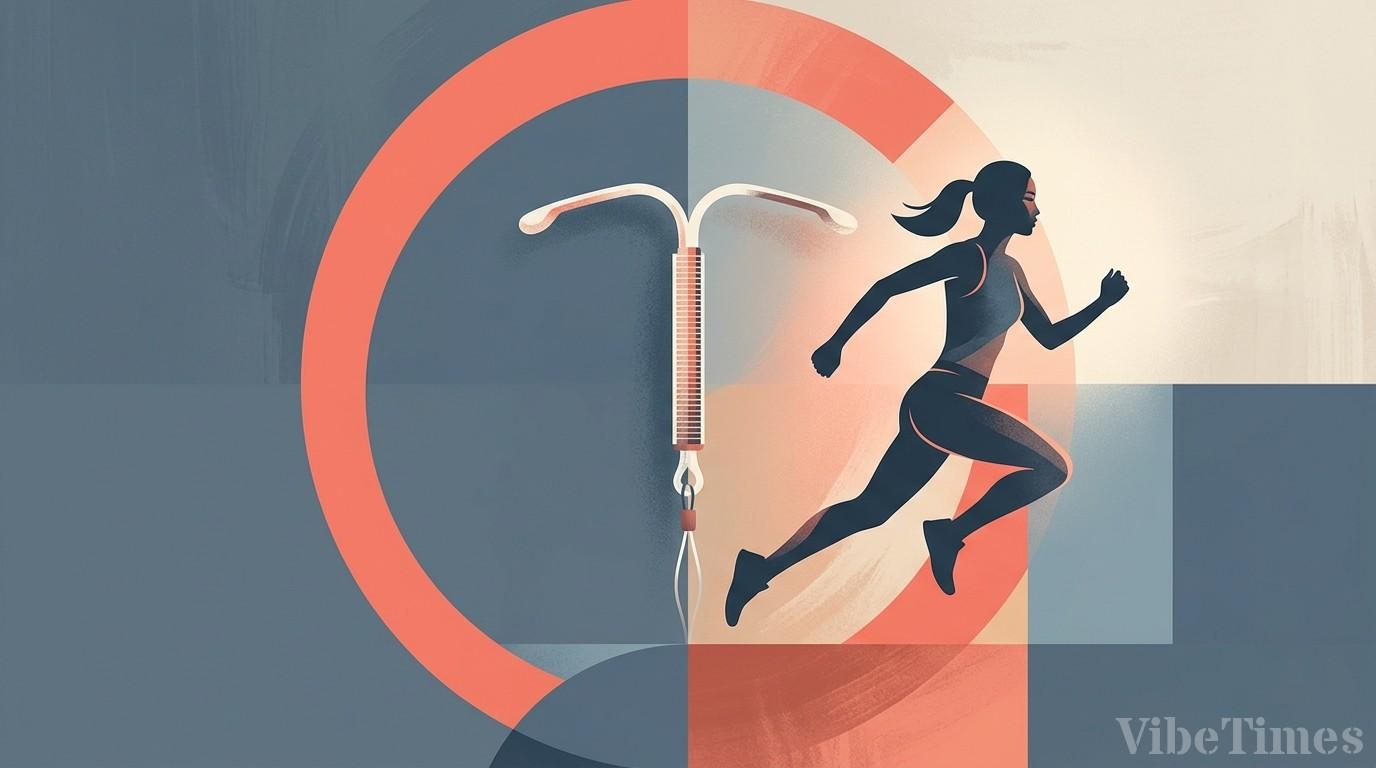
Addressing Changes in Menstrual Flow and Decreased Athletic Performance for Mirena Users: A Systematic Approach
Changes in menstrual flow and decreased athletic performance following Mirena insertion are significant concerns for women managing their health. Understanding the precise causes of these bodily changes and seeking practical solutions tailored to individual circumstances are essential for maintaining a healthy and active life. This article delves into these symptoms associated with Mirena use and offers multifaceted, concrete methods for effectively overcoming them.The Scientific Mechanism of Mirena and Female Bodily Changes
Mirena provides contraceptive effects by continuously releasing the progestin hormone levonorgestrel, while also serving as a treatment option for various women's health issues. However, this hormonal action can lead to unexpected changes in a woman's menstrual cycle and overall physical condition, potentially impacting the athletic performance of active individuals.Impact of Hormonal Action on Menstrual Flow
Levonorgestrel, secreted by Mirena, inhibits the proliferation of the uterine lining, keeping it thin. This mechanism is so potent that it's utilized for treating heavy menstrual bleeding. Consequently, a significant number of Mirena users experience a substantial reduction in menstrual flow or even amenorrhea (absence of menstruation). This change is very common after approximately one year of use, and many women find relief from menstrual burdens. However, some women may experience irregular bleeding or spotting for the initial 3-6 months as their bodies react to this new hormonal environment. This is a temporary phenomenon occurring as the uterus adapts to the new hormonal landscape, typically stabilizing over time. Since not all bodies react identically to hormones, individual variations are to be expected.Impact of Menstrual Flow Changes on Overall Condition and Athletic Performance
When menstrual flow significantly decreases or amenorrhea persists, new challenges can arise for women who previously managed their iron and energy levels through their menstrual cycle. While reduced blood loss means less iron loss, changes in energy levels due to reduced flow itself or the subtle adjustments in hormonal balance can lead to general fatigue or lethargy. Furthermore, the influence of progestin hormones may indirectly affect muscle recovery ability, endurance, and the psychological motivation required for exercise performance. Some women also report mood swings or decreased sleep quality, factors that can significantly impair athletic performance.Symptom Analysis and Coping Strategies Based on Mirena User Experiences
Based on the experiences of actual Mirena users, this section identifies specific patterns of menstrual flow changes and decreased athletic performance, and proposes practical strategies for effective management and overcoming these issues.Recovering Condition Through Nutritional and Hydration Support
When experiencing reduced menstrual flow or amenorrhea, replenishing nutrients lost during previous periods is crucial. Iron, in particular, is essential for energy metabolism and oxygen transport. Therefore, consistently consuming iron-rich foods like red meat, chicken, fish, leafy green vegetables (spinach, kale), nuts, and dried fruits is recommended. Consuming fruits (oranges, strawberries, kiwi) or vegetables rich in Vitamin C alongside these foods can enhance iron absorption. Adequate hydration is also vital for energy expenditure during physical activity and hormone metabolism. Drinking 1.5 to 2 liters or more of water daily supports overall metabolic function and can help alleviate fatigue. It's important to maintain sufficient hydration not only before and after exercise but also in daily life.Gradual Adjustment of Exercise Intensity and Method
When feeling fatigued, a general decline in physical condition, or discomfort due to hormonal changes from Mirena use, pushing through high-intensity workouts can be counterproductive. It is wise to gradually adjust exercise intensity and frequency. Initially, focus on maintaining activity levels without overexerting the body by prioritizing low-intensity aerobic exercises such as walking, light jogging, or cycling. Combining this with strength training helps maintain muscle mass and boost basal metabolic rate. Flexibility exercises like yoga or Pilates can aid stress relief and promote mental and physical stability, positively influencing exercise recovery. Remember that listening to your body and ensuring sufficient rest are key to regaining athletic performance.Comprehensive Management of Mirena Side Effects and Health Promotion Through a Multifaceted Approach
Since bodily changes associated with Mirena use vary greatly among individuals, optimizing overall health through professional medical consultation combined with consistent lifestyle improvements is crucial.Importance of Consulting Medical Professionals and Regular Check-ups
If you experience persistent changes in menstrual flow, unexpected bleeding, decreased athletic performance, or other discomforts after Mirena insertion, it is imperative to consult a gynecologist. A specialist can comprehensively evaluate your symptoms, medical history, and hormone levels to provide an accurate diagnosis and suggest necessary actions. For instance, persistent fatigue might signal anemia, requiring blood tests to check iron levels and potentially a prescription for iron supplements. If hormonal symptoms are severe or other treatments are deemed more suitable, personalized solutions such as Mirena removal, switching to a different contraceptive method, or treating related conditions can be explored. Regular check-ups are essential for confirming Mirena's position and detecting potential issues early.Strengthening Recovery Through Stress Management and Sufficient Sleep
Hormonal changes can affect not only physical discomfort but also mental and emotional well-being. Therefore, implementing active stress management strategies is important. Practicing stress relief techniques tailored to you, such as meditation, deep breathing exercises, engaging in hobbies, or talking with friends, can help manage negative emotions and achieve psychological stability. Additionally, 7-8 hours of quality sleep per night plays a crucial role in maximizing physical recovery and regulating hormone balance. Ensuring regular sleep times, reducing smartphone use before bed, and creating a comfortable sleep environment contribute to enhanced recovery and overcoming decreased athletic performance.
Related Articles
요리 레시피 특허 등록 주의사항 성공 노하우
lifestyle
Beat Post-Lunch Slump: How Diet Can Help Office Workers Stay Alert
lifestyle
TOPIK OMR Card Filling: A Comprehensive Guide to Precautions
lifestyle
Fukuoka Nakasu Riverside Night View Dining Guide
lifestyle
10 Tips for University Students to Save Money on Overseas Travel
lifestyle
Eco-Friendly Country House Interiors: Recommended Wooden Furniture
lifestyle