Identification, Cooking Methods, and Nutritional Facts for Pollock Jorim

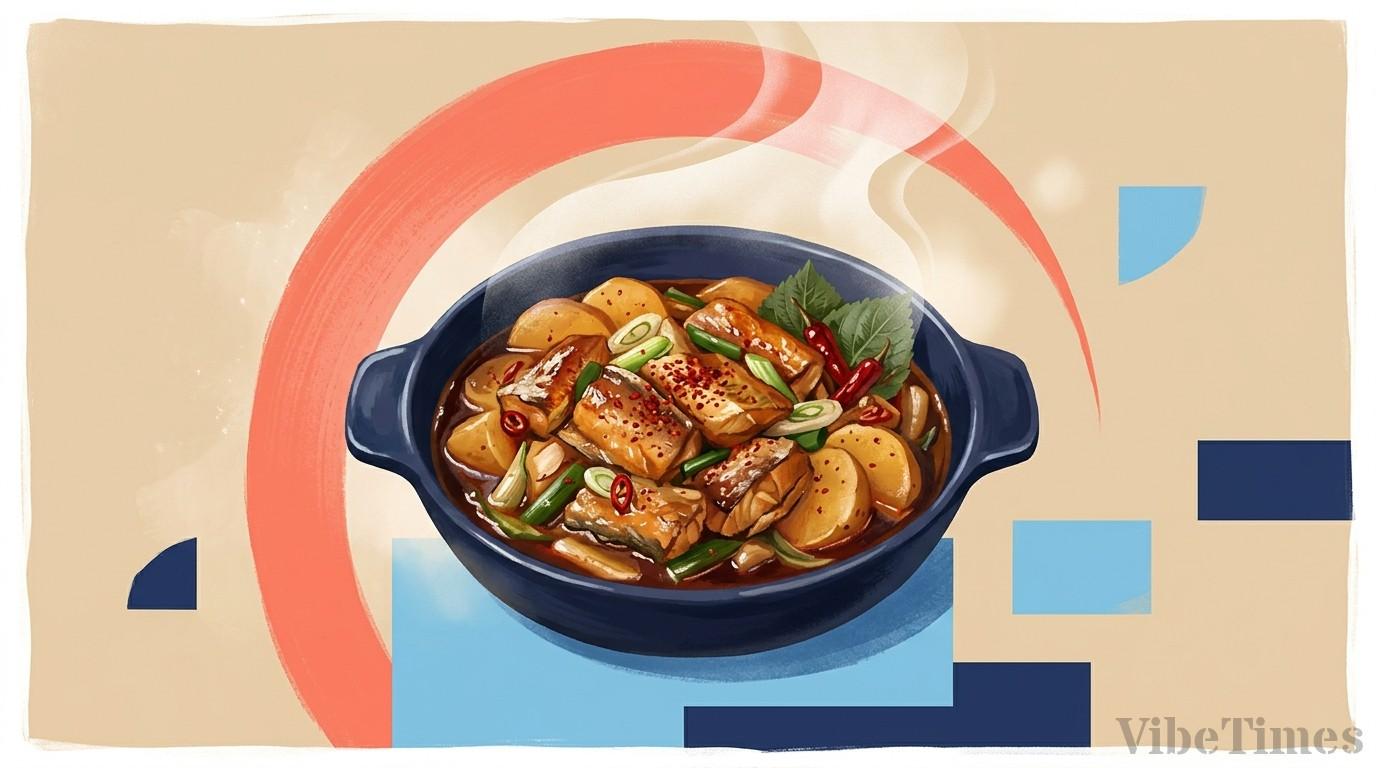
The Mystery on the Table: The Identity of Pollock and How to Distinguish It
What is Real Pollock?: The Life Cycle of Pollock
Pollock is a cost-effective fish where nothing goes to waste, from the roe and innards to the intestines. 'Pollock' (Kodari) refers specifically to the young of this species. Young pollock are characterized by extremely soft flesh and few bones, making them optimized for simmered dishes. The young pollock caught in the winter season—known as Dongtae—are commonly classified and sold in markets as 'real' Kodari.
Fish distributed under the name Pollock in the market fall largely into two categories. There are the young pollock (Dongtae), which are genuine juvenile pollock costing between 3,000 and 5,000 won per cleaned fish. On the other hand, there is the 'Red Pollock' (Hongkodari), a member of the goby family, which is distributed frozen year-round at a cheap price of around 1,000 won per fish. Consumer choice begins with understanding the essential textural differences between these two fish.
Real vs. Fake: Identification Points via Eyes and Tails
The two fish can be clearly distinguished by observing their appearance. The Red Pollock (Hongkodari), or goby, resembles pollock but has relatively small eyes and distinct lateral lines on its body. Its tail fin is also characterized by a V-shaped split. Unlike Dongtae, its flesh is tough and chewy, making it suitable for simmered or fried dishes where the texture itself is enjoyed.
In contrast, the real Pollock (Dongtae) has large eyes, spots on its sides, and a tail fin that is not split but rather blunt and thick. When cooked, the flesh is so soft and tender that it melts in the mouth, making it excellent for consumption by children or the elderly. Consumers should choose their ingredient based on whether they prefer a soft texture that melts away or a chewy texture.
Foolproof Spicy Potato Jorim: The Science and Recipe of Cooking
Preparing Ingredients: The Role of Potatoes and Fish Preparation
In the recently popular 'Galbijorim' (short rib simmer) style Pollock Jorim, the role of the potato is absolute. The key is to cut the potatoes into thick 1cm slices, similar in size to the fish. If sliced too thinly, they will disintegrate during cooking, turning the dish into a porridge rather than a stew. Thickly cut potatoes absorb the salt drawn from the fish, naturally regulating the overall seasoning and increasing the richness of the broth.
When preparing the fish, removing the fishy odor is the most important task. Use the back of the knife to scrape off the scales, split the belly, and completely scrape out the black membrane. Afterwards, sprinkle lightly with salt and let sit for about 10 minutes to effectively remove the odor. Finally, moisture must be thoroughly removed with kitchen towels to prevent residual water during cooking and ensure the seasoning soaks deep into the fish.
Sauce Composition and Sequence: Cooking Techniques to Protect the Flesh
It must be remembered that Pollock flesh is very fragile and extremely sensitive to heat. If the fish is placed directly into boiling water or laid directly on the bottom of the pot, the flesh will quickly break apart and stick. Therefore, thick slices of potatoes, onions, and radishes must first be laid on the bottom of the pot. The fish should be placed on top, and water added to a height where the ingredients are submerged by 30% to 40%, then boiled. This method ensures the fish maintains its original shape.
The ratio of the seasoning sauce to create a spicy and sweet broth also determines the completeness of the dish. The seasoning sauce recommended by side dish experts for two servings is based on 5 tablespoons of soy sauce. To this, mix 2.5 tablespoons of red pepper powder, 2 tablespoons of plum syrup, 1 tablespoon of oligo sugar, and 1 tablespoon of minced garlic. To perfectly neutralize the fishy smell, 1 tablespoon of cooking wine and 0.5 teaspoon of ginger powder must be added.
Completing a Trendy Flavor: Heat Control and Finishing
Pour about half of the prepared seasoning sauce over the potatoes and vegetables on the bottom of the pot and bring to a boil. After about 5 minutes, when the potatoes are half-cooked, place the cleaned Pollock on top. Spread the remaining sauce evenly over the fish. Once it starts boiling over high heat, reduce the flame. It is essential to simmer over medium heat with the lid open for 10 minutes, ladling the broth over the fish frequently.
When the broth has reduced sufficiently, lower the heat to a gentle flame for the finishing stage. At this point, adding sliced green onions and Cheongyang peppers enhances the spicy flavor and color. Avoid flipping the fish with chopsticks at all costs; only ladle the broth over it to cook to ensure the shape does not collapse. Sprinkling sesame seeds just before completion creates a perfect side dish that steals the rice, capturing both texture and aroma.
Balance of Taste and Health: Nutritional Information and Intake Guide
Nutritional Value and Calories of Low-Fat, High-Protein
Pollock is an excellent diet food, boasting a low calorie count of approximately 70 to 90 kcal per 100g. It is a high-protein source rich in essential amino acids and contains large amounts of Vitamins A and D, which are quickly absorbed by the body. The unsaturated fats contained in pollock flesh help lower blood cholesterol levels, which is also effective in preventing adult diseases.
However, due to the nature of simmered dishes, large amounts of seasonings such as soy sauce, sugar, and oligo sugar are used, so the actual caloric intake increases rapidly in proportion to the amount of sauce. Pollock Jorim has a salty and sweet broth, posing a risk of excessive sodium intake. Therefore, setting the seasoning lighter than usual from the start of the cooking stage is an essential nutritional management method.
Controlling Sodium Intake and Food Pairings
A dietary composition is needed to offset the potential sodium accumulation caused by salty flavors. Serving it with wrapping vegetables like lettuce or kale, or consuming radish salad rich in potassium, helps effectively expel sodium from the body, completing a balanced meal. The soft protein of Pollock can create a nutritional synergy when combined with the dietary fiber of vegetables.
Onions and potatoes also function as excellent pairing foods. During the simmering process, potatoes absorb high levels of sodium, neutralizing the overall saltiness of the sauce. By clearly identifying the type of fish and applying scientific cooking techniques to put it on the table, one can sufficiently achieve a healthy and delicious meal.