Resignation of Former Chairman Lee: Impact of the Paichai High 5.18 Mockery Controversy and Starbucks Incident

Resignation of Former Chairman Lee and Political/Social Repercussions
Lee Byeong-tae, who was appointed as the vice-chairman of the Presidential Committee on Regulatory Reform—a vice-ministerial level position—in March of this year, has voluntarily resigned after only about four months in the role. An economics and management scholar who formerly served as dean of the KAIST Business School, Lee had provided policy advice to conservative parties. Although his recruitment was discussed during the launch of the Lee Jae-myung administration, it fell through due to controversies over his past remarks; he later served as the head of the policy planning headquarters for Hong Joon-pyo's camp before being given this significant responsibility. However, following his appointment, social criticism intensified as his past remarks regarding the Sewol ferry tragedy and his pro-Japanese arguments during Japan's export regulations were re-examined. Ultimately, despite public warnings from the Blue House, he refused to back down, but as his extreme remarks were successively put under the microscope, he stepped down from all official duties.
Political Expansion of the 'Starbucks Cheer' and Paichai High Incident
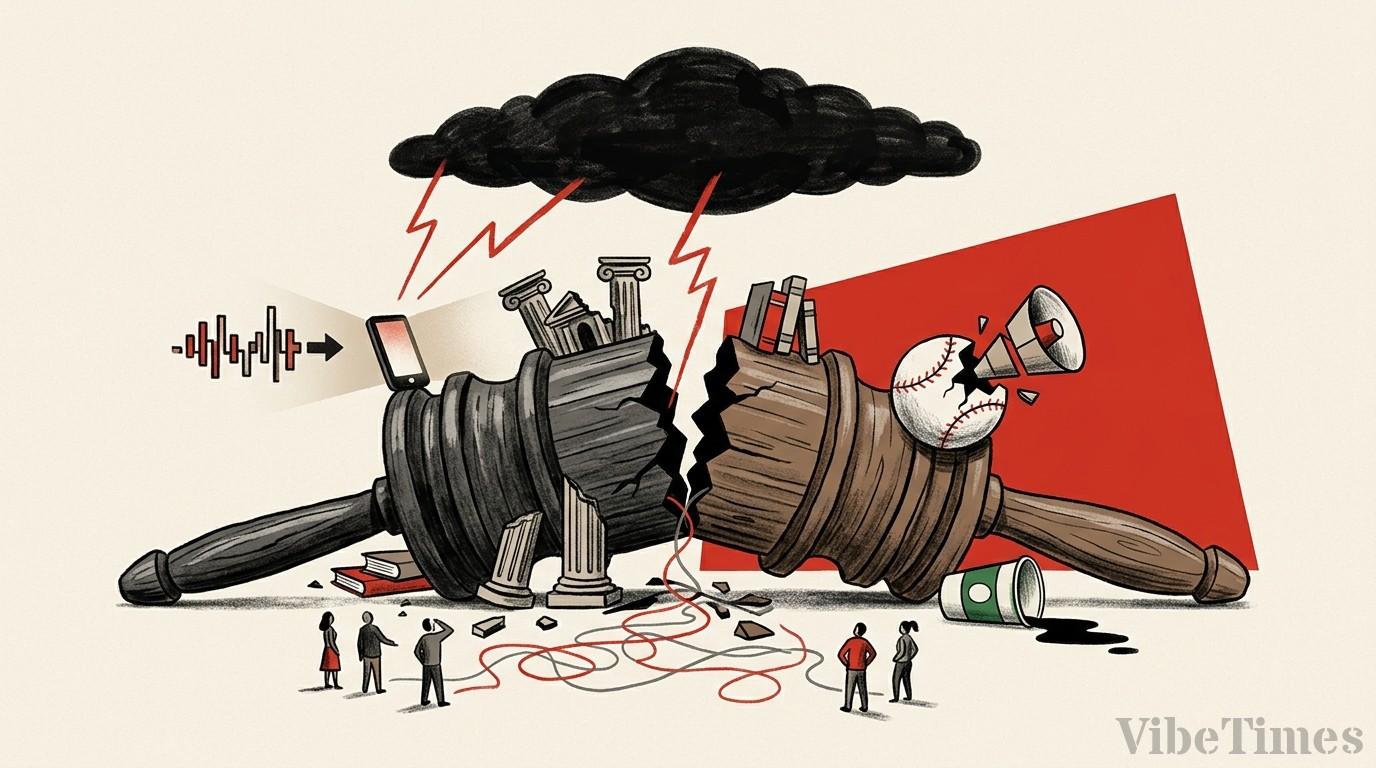
The decisive trigger for Former Chairman Lee's resignation was his involvement in the recent controversy over the Paichai High School baseball team's mockery of the May 18 Democratic Uprising. Previously, President Lee Jae-myung had strongly criticized Starbucks Korea for mocking the unfortunate events of the democratization process during a marketing campaign around the May 18 Democracy Movement Anniversary. At the time, the President expressed anger at the "inhumane and outrageous behavior of low-life merchants" and urged that moral, legal, and political responsibilities be assigned. Amidst this social outrage, some players from the Paichai High baseball team shouted slogans mentioning Starbucks and trivializing the democratization movement during a game against Gwangju Jeil High School. While social opinion was sharply divided over the severity of punishment for these students, Former Chairman Lee criticized the situation by characterizing the May 18 movement as having become a "sanctuary," likening it to the situation in North Korea. He even made extreme remarks emphasizing freedom of expression, stating that shouting "Long Live Kim Il-sung" in the middle of Seoul should be permitted, taking a stance that directly contradicted the government's policy line. In this process, he intensified political controversy by identifying President Lee as the fundamental provider of the Paichai High incident, arguing that the President had incited and failed to restrain those who viewed the democratization movement through a conspiracy theory lens and planned the SNS marketing.
Diverging Stances of Political Parties and Outlook for Future Schedule
The controversy surrounding Former Chairman Lee is escalating beyond an issue of individual ideological leanings into a political battle between the ruling party and the opposition. The ruling party, including the Democratic Party of Korea, defines his actions as undermining the national stance of strictly rejecting hatred and mockery and insists on holding him strictly accountable. Conversely, the opposition, such as the People Power Party, believes that the infringement of freedom of expression and the unconditional sanctification of specific historical events could intimidate the youth and students. While Former Chairman Lee's stance—claiming he didn't know what he had to apologize for and holding his ground until the end—garnered support from some within the conservative camp, it clearly failed to form a broad public consensus. The political community now faces the task of strengthening the vetting system for public officials and reorganizing guidelines for social integration to prevent the recurrence of similar historical controversies. Given that political extremism could act as a negative factor weighing on the capital market and investment sentiment, the ruling and opposition parties need to swiftly resolve ideological conflicts and shift the focus of gravity to practical policy discussions. Whether the party leaders can avoid being fixated on ideological division and sever the thread of conflict has emerged as a key point of engagement.