Calls for Special Prosecutor Mount as Suspicions of NEC Vote Manipulation Surface

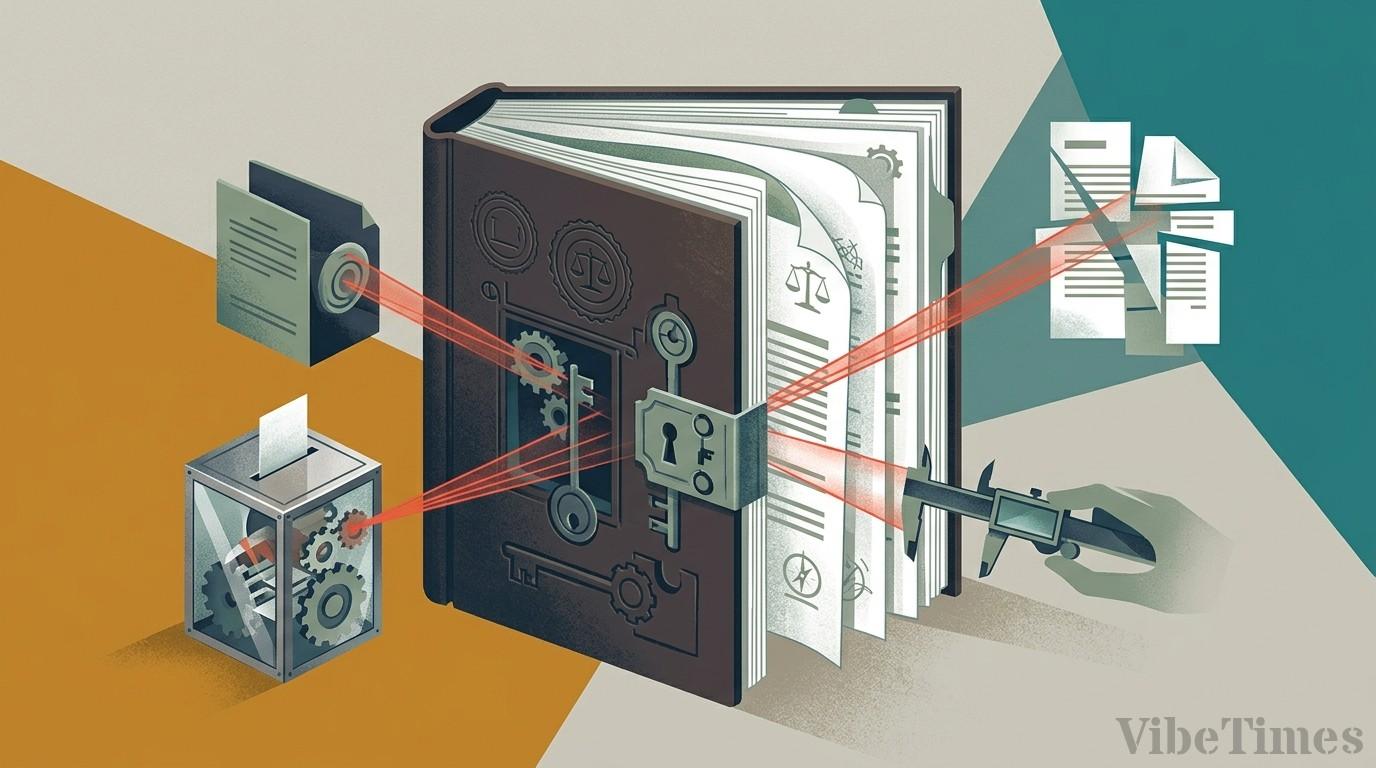
Allegations of NEC Manipulation Spark Political Collision
Amidst the police and prosecution joint investigation team uncovering signs of statistical manipulation by National Election Commission (NEC) officials and launching a mandatory investigation, the political sphere is unanimously calling for the introduction of a special prosecutor. On the 23rd, a day ahead of the plenary session, the ruling party officially endorsed the extension of the state audit period and the introduction of a special prosecutor with "no sanctuary." The opposition party is also outlining legal procedures for strong regulations and punishment, arguing that if the fairness of election management collapses, citizens' basic right to suffrage is violated.
People Power Party (PPP) leader Jang Dong-hyun, meeting with reporters at the National Assembly that morning, stated, "Given the revelations regarding the false input of voter turnout rates by NEC officials, we must thoroughly uncover all issues from the local elections, even if it requires extending the state audit period." PPP lawmaker Joo Jin-woo also held an urgent press conference, demanding the immediate resignation of Acting NEC Chairman Cheol-hwan Wi and Acting Secretary General Dong-wan Kang. During this process, arguments were raised that a complete re-verification of the election computer system must take precedence.
Extension of 2nd Special Counsel and Background of Recusal System
As political confrontation intensifies, legislative moves to redefine the authority and limitations of investigative agencies are gaining speed. Following the extension of the mandate for the team led by Special Prosecutor Kwon Chang-young until the 23rd of next month, investigations into key incidents, including the alleged relocation of the presidential office, are continuing. First Lady Kim Gun-hee appeared for the comprehensive special counsel investigation 147 days after being named a suspect, but has refused to testify from the outset, prolonging the agony of the case. Against the backdrop of this prolonged investigation, a specific bill designed to eliminate blind spots in the existing system has been submitted to the National Assembly.
Democratic Party lawmaker Lee Sang-sik introduced a bill to apply the "recusal system"—which prevents investigators from being involved in cases involving relatives or other conflicts of interest—to all investigative agencies. If an investigator arbitrarily intervenes in a case involving family or relatives, bias is inevitable. The purpose is to guarantee the objectivity and fairness of investigations institutionally by blocking this in advance. This reflects the judgment that institutional safety nets are urgent, as criticisms have repeatedly been raised that the independence of investigative agencies is compromised whenever controversies arise over specific incidents.
Political Divide and Stalemate over Livelihood Bills
While the ruling and opposition parties agree in principle on the violation of suffrage and the fairness of investigations, they are engaged in a tense tug-of-war over bill processing methods and the scope of investigations. The PPP is holding events such as an "ice performance" to highlight the gravity of the suffrage violation and pressure for the swift introduction of a special prosecutor. Conversely, the Democratic Party held a condemnation rally at the Rotunda just before the plenary session. The Democratic Party side accuses the opposition of intentionally obstructing the processing of livelihood bills and has repeatedly emphasized its stance to pass a bill completely abolishing the prosecution's supplementary investigation authority next week.
Despite such acute political confrontation, some progress is being made on urgent economic and safety-related legislation. The National Assembly recently passed an amendment to the Building Act mandating that finishing materials in underground parking lots be fire-resistant. This is analyzed as a result of cross-party consensus achieved due to the clear goal of preventing fire accidents. However, bills related to the reform of the investigation system or the reorganization of the election system face expected delays in smooth discussions due to the complex entanglement of each party's political interests.
Legislative Prospects and Socio-Political Impact
The bills focusing on the introduction of a recusal system for investigative agencies and the NEC special prosecutor are expected to undergo full subcommittee reviews at the National Assembly's Judiciary and Administration Committees. Since the matter involves comprehensively expanding the avoidance system, which is currently limited to judges and prosecutors under the Criminal Procedure Act, a process of gathering opinions from the legal community and civic groups is inevitable. During this process, counterarguments raising concerns about manpower shortages or excessive workloads are also anticipated. The ruling and opposition parties are likely to engage in intense battles, using public hearings and bill review subcommittees as key stages to reflect their arguments in the bills.
The future trajectory of the NEC special prosecutor and the bill to abolish supplementary investigation authority are cited as key variables that will determine the political landscape ahead of the upcoming election cycle. If suspicions of vote rate manipulation are not completely resolved ahead of major elections, there is a risk of voter abstention or deepening political distrust. Legislative attempts to institutionally reorganize the authority of investigative agencies will continue to demand social discourse. Having secured time through the extension of the special counsel's investigation, it is analyzed that the National Assembly's legislative direction and the political circle's strategies will become more concrete based on the investigation results.