Analysis of Sambok (Dog Days) Freshwater Eel Demand and Single-Household Samgyetang Sales Trends

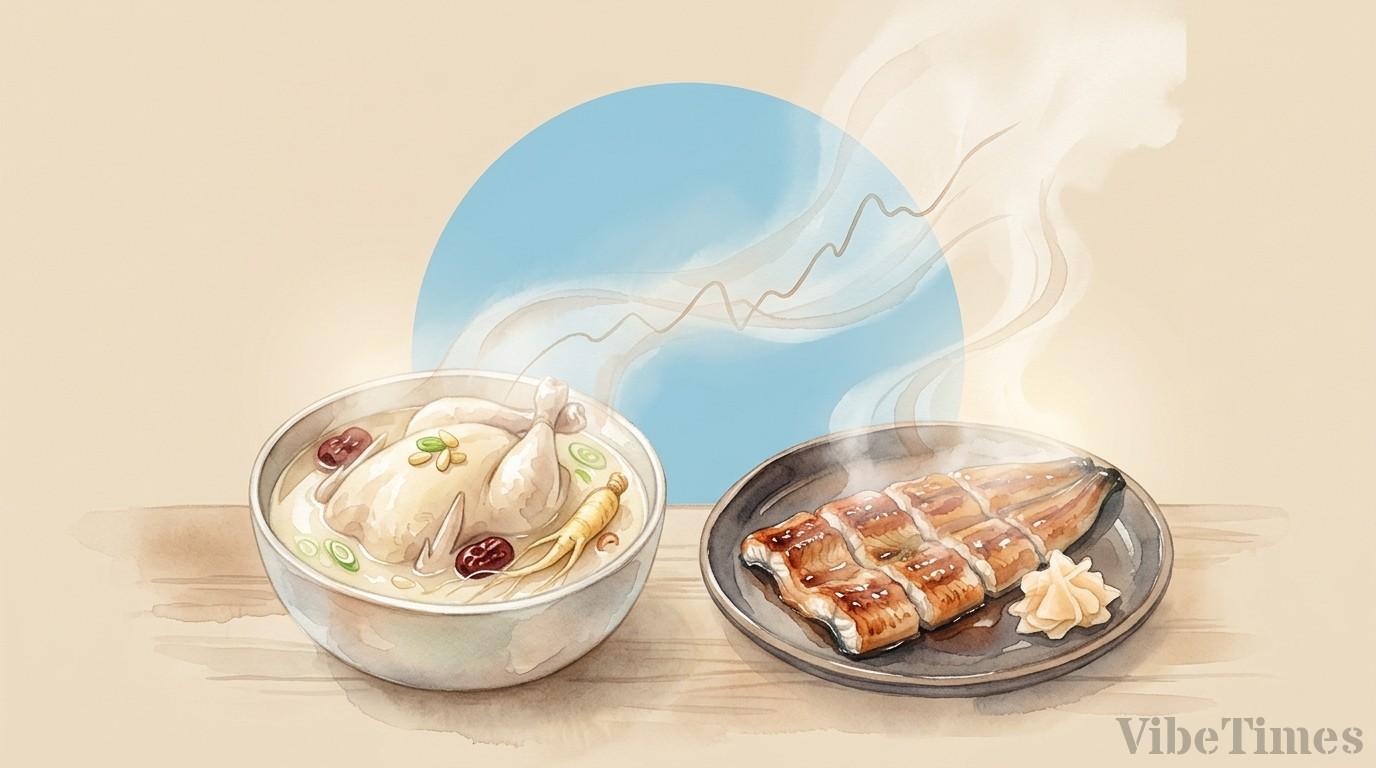
As the price of a bowl of samgyetang (ginseng chicken soup) surpassed 20,000 won and the cost of a single serving of freshwater eel skewers soared to the early 40,000 won range, the consumer trends for this year's Sambok stamina food market have reached a clear turning point. With high inflation persisting and single-person households accounting for over 30% of the total, the market share of small-pack samgyetang and meal kits for 1-2 servings—which reduce delivery fees and can be heated at home—has easily exceeded 50%. Traditional culture, such as ordering large whole chicken soups or visiting expensive eel restaurants, is rapidly shrinking, with its place being quickly filled by cost-effective convenient stamina foods and alternatives.
Surge in Dining Costs and the Rise of 'Cost-Effective' Convenient Stamina Foods
The Revenge of Home-Cooking Meal Kits Amidst the 20,000 Won Era
Over the past few years, meat and food ingredient prices have risen like dominoes, pushing the perceived burden of dining costs for consumers to its peak. The barrier to entry for eating a bowl of samgyetang at a restaurant or ordering delivery is increasingly high. According to major food distributors like Shinsegae Food, sales of home-cooking meal kits and small-pack products for easy home consumption during this Sambok season surged 38% year-on-year. Consumers are showing a strong tendency toward rational spending, calculating delivery fees as part of the total cost and seeking to reduce expenditures.
Single-Serving Small Packs Surpass Half of Total Transactions
According to industry data, during the Sambok period, the share of 1-2 person small-pack and meal-kit formats exceeded 50% of total samgyetang transactions for the first time. The scene of entire families ordering large whole chicken soups of 10 servings or more for delivery has become rare. Data from major delivery app platforms like Baemin and Woowa Brothers also clearly supports this shift. Instead of pressing the order button, the share of pickup and store visits increased by double-digit margins, demonstrating the practical behavior of single-person households who wish to enjoy Sambok stamina food while minimizing costs.
Explosive Growth in Convenience Store Frozen Foods and New 'Cup Samgyetang'
As lifestyles of single-person households diversify, product forms are becoming more sophisticated. Major convenience stores like GS25, CU, and 7-Eleven saw sales of frozen samgyetang and easy-to-cook meal kits explode by a minimum of 3 times to a maximum of over 10 times usual levels in the week surrounding Sambok. Catering to the characteristics of single-person households who dislike the hassle of storing leftovers or throwing them away, new concept products like porridge-style samgyetang or 'cup samgyetang'—which solve exactly one meal—are establishing themselves as the new market standard.
Deepening Market Polarization and the Rise of Substitutes
Record Demand Plunge for Freshwater Eel
The eel market, long considered one of the two main pillars of Sambok and receiving steady love, is facing a structural contraction in domestic demand due to a direct hit from high inflation. As prices for domestic freshwater eel rose recently due to scarcity, restaurant prices for a single serving of skewers jumped from the late 30,000 won range to the early 40,000 won range. With growing consumer rejection of high prices, the traditional grilled eel culture is rapidly collapsing. Ultimately, amid high inflation, demand for freshwater eel fell to a record low, marking a fatal decline in restaurant sales.
Shift to Home Meal Kits and Imported Eel
Consumers burdened by expensive eel at restaurants began seeking rational alternatives. Attention has turned to prepared freshwater eel meal kits sold in online shopping malls and large supermarkets. The share of consumption involving easy grilling at home using microwaves, griddles, or pans has shifted rapidly. There is also a clear trend toward substituting with much cheaper imported eel, other affordable seafood, or stamina food ingredients that offer excellent cost-effectiveness without sacrificing nutritional value, completely reshaping the market landscape.
Customized Marketing for Single Households and Industrial Ripple Effects
Diversification of Targeted Products and Online Promotions
Food distributors and dining companies have completely overhauled their product strategies to align with the mega-trend of expanding single-person households. Moving away from large family-set compositions, they are launching single-serving small-pack stamina packages, planning products that stick to customer lifestyles. Even menu names on delivery apps have been changed to limited-time 'cost-effective stamina food' to fit the trend. To drive meal kit sales, they are launching marketing campaigns to maximize cost-effectiveness—such as online mobile coupon points and purchase frenzy events—naturally guiding consumers toward convenient meal products.
Expansion of Non-Samgyetang Menus and Structural Market Shifts
A recent survey shows that non-samgyetang stamina food menus accounted for 61.2% of consumer choices during the Sambok season. This suggests that consumers are widely absorbing various forms of alternatives that provide high-quality protein, moving away from the meat-focused traditional stamina food monopoly. It is a structural shift where the market order dominated by large whole chicken soup and grilled eel is being reorganized around individual packs and single-person meal kits. Food ingredient suppliers have now entered a phase where they must focus on strengthening small-pack and convenient lineups while reducing bulk packaging volumes to survive.
Practical Guidelines for Wise Stamina Food Consumption
Summary of Key Consumption Trends
The definitive keywords for this year's Sambok market are smaller packaging and lighter wallets. In a reality where high prices have become routine, consumers are actively choosing small-pack products they can finish without guilt. To avoid the barriers of delivery fees and minimum order amounts, actions like visiting stores for pickup or buying convenience store frozen meal kits have become completely established trends.
Precautions When Consuming Frozen Meal Kits
When cooking small-pack frozen meal kits that emphasize convenience, it is crucial to remember the safety rule of cooking thoroughly until the center is fully heated. Care must be taken to avoid undercooking, especially around the chicken's internal organs and bones. It is essential to add to boiling water, heat it thoroughly, and simmer for at least 10 minutes. Additionally, when cooking eel meal kits at home, special attention is required to prevent greasy smells from permeating the living space, such as operating the range hood strongly or cooking on a well-ventilated balcony.
Utilizing Alternatives to Maximize Cost-Effectiveness
It is advisable to set a rational consumption plan according to one's budget rather than blindly opening one's wallet for expensive traditional stamina foods. Strategies such as actively using imported eel meal kits, which are much cheaper than high-priced domestic eel, or substituting with nutritious convenient stamina foods are useful. Instead of indiscriminate ordering via delivery apps, saving tips by picking up orders and selecting small-pack products suited for one-time consumption reduces food waste and dramatically optimizes spending. This pattern of cost-effective consumption is expected to lead the overall flow of the food industry for the time being and drive the continued expansion of the convenience food market.
