Chung Mong-gyu Appears Before National Assembly Amidst Sports Administration Controversy

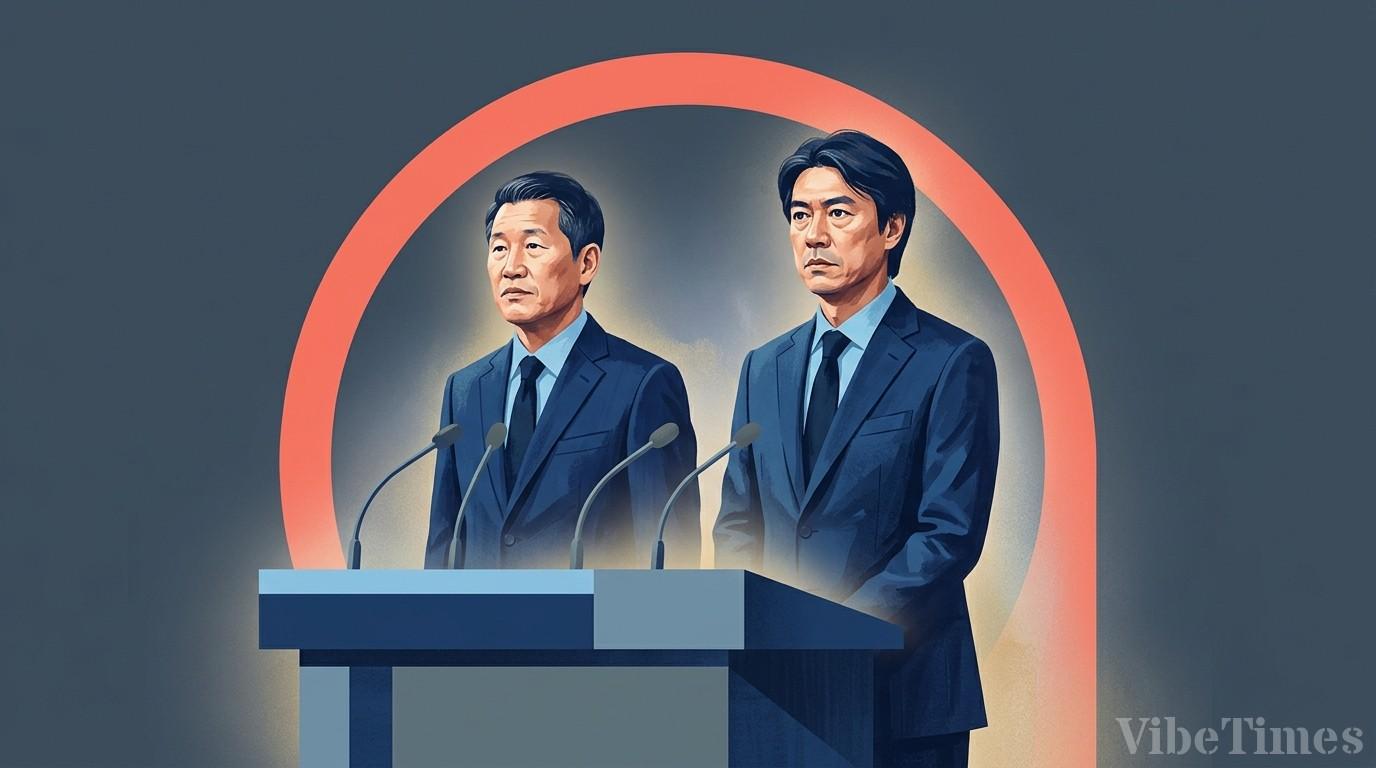
Implications of Chung Mong-gyu's National Assembly Appearance: The Opacity of Sports Administration and Political Pressure
In July 2026, the political and sports communities of South Korea are fixated on a National Assembly hearing. The confirmed attendance of Chung Mong-gyu, Chairman of the Korea Football Association (KFA), and former national team coach Hong Myung-bo, has thrust the issue of fairness in sports governance to the forefront of political concerns. This hearing is particularly noteworthy as it takes place shortly after Chung Mong-gyu's election to the 22nd National Assembly, placing him in the unusual position of having to personally address allegations of mismanagement and autocratic administration within the very organization he leads. This situation transcends mere internal conflicts within the sports world, suggesting a complex entanglement of responsible management for public fund-backed entities and political interests.
The KFA has recently faced intense criticism for undermining procedural integrity in its coaching selection process and for technician Lee Im-saeng's notification of absence from the hearing. Experts, including football commentator Park Moon-sung, have pointed to the association's closed-door decision-making structure and strongly raised questions about Chung Mong-gyu's managerial responsibility. While Chung, as Chairman of HDC Hyundai Development Company, declared assets of approximately 50 billion won during his 22nd general election campaign, past controversies, including the Gwangju apartment collapse during his tenure and allegations related to match-fixing within the KFA, are resurfacing in the National Assembly. Against this backdrop, the hearing is poised to be a pivotal moment determining Chung's political standing and his future as a sports administrator.
Conflicts of Interest for Business-Turned Politicians and Demands for Governance Innovation
Since the opening of the 22nd National Assembly, Chung Mong-gyu has been active in the Trade, Industry, Small and Venture Business Committee, preparing legislation for advanced industry promotion and economic revitalization. However, his leadership deficit and opaque administration within the KFA have drawn criticism for being at odds with his stated slogans of a "young economy" and "opportunity economy." Members of the Education Committee and the Special Committee on Budget and Appropriations are poised to meticulously scrutinize the KFA's budget execution and allegations of preferential treatment in coaching appointments. Notably, lawmakers such as Kim Tae-hyo of the Jo Guk Innovation Party are demanding an end to unfair practices in the sports sector, emphasizing the reinforcement of public education.
Political analysts interpret Chung's appearance at a hearing, in his capacity as a lawmaker, yet in a role akin to a defendant or witness, as an exceptional political burden. While he pledged to serve with humility and heed the will of the people during his election campaign, internal personnel issues and a lack of communication within the KFA cast doubt on his sincerity. Coupled with the Lee Jae-myung administration's policy of rationalizing economic penalties as a national agenda, demands for strengthened civil liability and higher ethical standards for business-turned politicians are expected to intensify. This could also impact the momentum of economic legislation, such as the Industrial Bank of Korea Act amendment, that Chung is preparing.
Economic Risks in the Sports Industry and Repercussions on Corporate Image
This situation extends beyond political debate, negatively impacting the overall economic value of the sports industry. A decline in the KFA's brand value could disrupt the marketing strategies of sponsoring companies, raising concerns about a contraction of the domestic sports market. The image of the corporate group in which Chung Mong-gyu is the largest shareholder is also being evaluated by the market in conjunction with the KFA controversy. In the stock market, there is apprehension about the potential negative impact of owner risk on corporate ESG (Environmental, Social, and Governance) management evaluations. Indeed, Lee Jun-seok, leader of the Reform Party, has called for increased market transparency, raising suspicions that the government has mobilized national pension funds to defend stock prices. Such critical sentiment is likely to be amplified in connection with Chung's corporate management history.
At a time when President Lee Jae-myung's approval rating has hit a post-inauguration low of 53%, both the ruling and opposition parties are expected to strongly push for the eradication of corruption in the sports community to appease public sentiment. While the government maintains a stance of reducing excessive sanctions through the rationalization of administrative penalties, it is unavoidable that strict standards will be applied to matters that provoke public outrage. The dispute over fairness in the appointment of coach Hong Myung-bo, in particular, is sensitive to the support of younger demographics who value fairness, and the political sphere will not overlook it. Ultimately, the collapse of the KFA's governance is acting as a catalyst for a contraction in investment sentiment across the sports industry and a restructuring of sponsorship frameworks.
Future Outlook and Directions for Institutional Improvement
Pressure on Chung Mong-gyu is expected to intensify during the upcoming hearings and parliamentary audits. The National Assembly is likely to initiate discussions on legislation to enhance accounting transparency in sports organizations and introduce external oversight mechanisms for leadership selection processes. In line with the Lee Jae-myung administration's policies for regional development and bridging educational gaps, efforts may be made to decentralize the centralized authority of the KFA under the guise of promoting regional sports and expanding support for grassroots disciplines. Although Chung aims to leverage his economic expertise, his political asset, to focus on his activities in the Industry Committee, it will be difficult to secure the authenticity of his legislative work as long as the KFA controversy remains unresolved.
In conclusion, Chung Mong-gyu's appearance before the National Assembly will serve as an occasion to put the long-standing practices of Korean sports administration under scrutiny. For the Lee Jae-myung administration, which is achieving diplomatic successes such as strengthening economic cooperation with South America and pursuing joint development of civilian aircraft through summit meetings with leaders like Brazil's Lula da Silva, internal fairness controversies are a burdensome issue. Therefore, it is analyzed that the ruling and opposition parties will seek to induce a comprehensive personnel and structural reform of the KFA through this hearing, thereby regaining momentum for national governance. The key points to watch will be what institutional fruits arise from the conflict at the intersection of sports and politics, and whether Chung can overcome his political crisis and fulfill his economic revitalization pledges.