3,000 Inje Residents Stage Head-Shaving Protest in Front of National Assembly for First Time in 30 Years

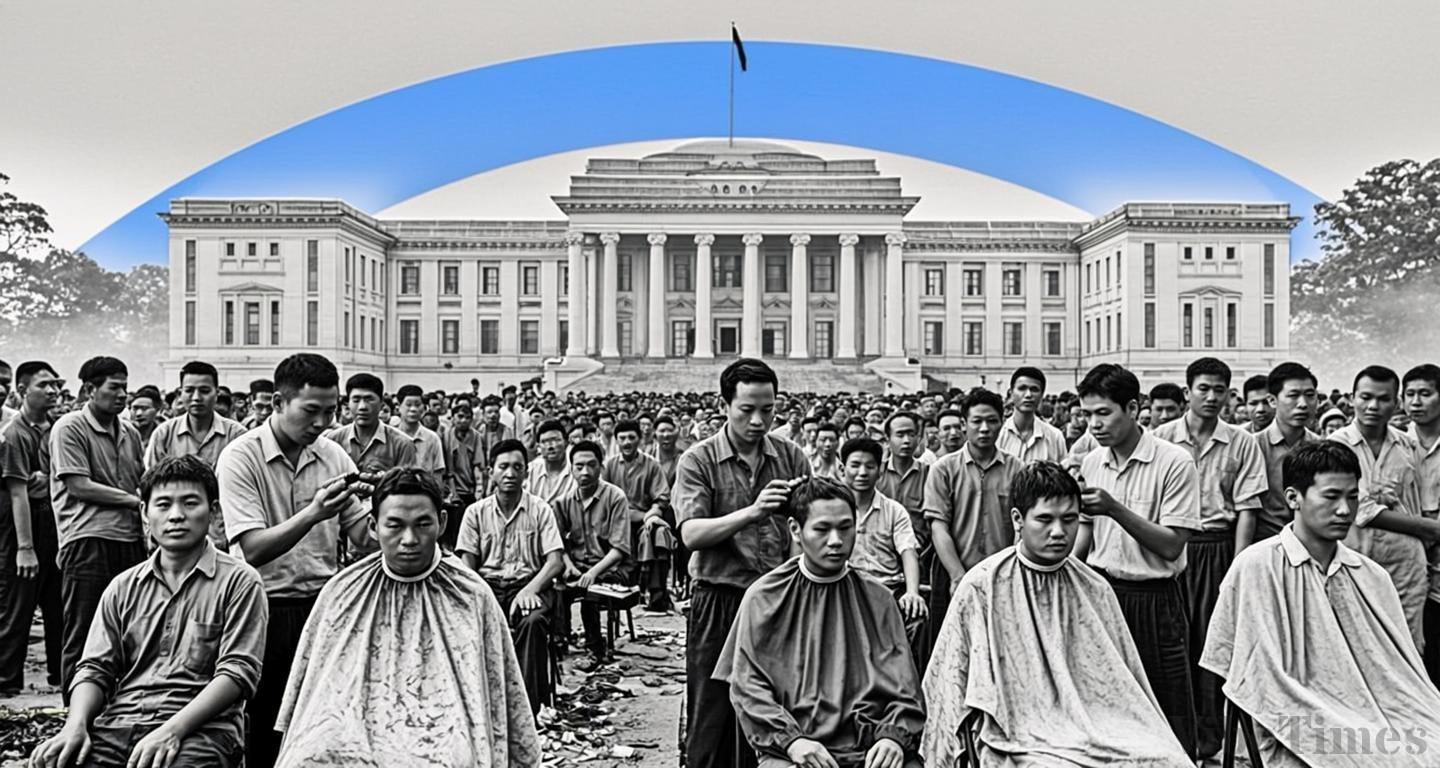
Three thousand residents of Inje County gathered in front of the National Assembly for the first time in 30 years, even resorting to shaving their heads in a display of desperation.
This was not merely a local event, but an incident that laid bare the explosive frustration of military-adjacent areas on the outskirts of the capital region suffering from structural neglect. Inje County is the largest county in Gangwon Province by area, yet its population stands at only around 30,000. When the voices of such regions fail to reach central politics, the only means of extreme expression available to residents is to take to the streets. A rally that went as far as head-shaving is a testament to just how blocked the channels of dialogue have become.
What the First Rally in 30 Years Signifies
A gathering of 3,000 local residents represents considerable mobilization power when measured against the population. With a crowd equivalent to nearly 10 percent of the county's population traveling all the way to the capital region, the rally appears to reflect a broad consensus across the community rather than a one-off outpouring of emotion. As the 30-year span suggests, the region's outstanding issues have remained unresolved through multiple administrations.
The crux of the problem lies with the National Assembly. The fact that the rally targeted the National Assembly rather than the Blue House or the government suggests that relevant bills or budget measures are stalled at the Assembly's doorstep. There are relatively recent cases where delays in processing bills related to local councils have acted as structural obstacles to resolving regional issues. Nam Jong-seop, chairman of the Gyeonggi Provincial Council, meeting with Democratic Party leader Kim Min-seok to urge the enactment of the Local Council Act by year's end falls into the same context. While central politicians delay expanding the institutional foundations of local autonomy, residents' patience is wearing thin.
Ripples That Will Linger in the Political Landscape
The question this rally poses to the political establishment is clear: with regional neglect spilling into the streets, what will the ruling and opposition parties each offer? For the ruling Democratic Party, the pressure grows to translate its rhetoric on decentralization and balanced development into concrete legislative achievements. President Lee Jae-myung's push for the mega special zone bill has drawn withdrawal demands from 11 labor and civic groups, and the contested nature of balanced development policy itself only complicates the situation further.
The People Power Party is not exempt either. The problem of regional neglect is closer to dereliction of duty by the National Assembly as a whole than the responsibility of any single party, meaning the opposition cannot escape blame for legislative delays either. The essence of this affair is a structure in which residents' suffering deepens while the ruling and opposition parties trade blame — a pattern that has repeated itself for 30 years.
Outlook and Tasks Ahead
In the short term, attention will focus on how quickly politicians respond to the region's issues. If the image of 3,000 protesters and head-shaving takes hold in public consciousness, pressure will mount for the relevant standing committee or the Assembly leadership to at least state a position. If institutional demands such as the enactment of the Local Council Act become linked with this rally, the legislative timetable could well be moved up.
Yet a fundamental solution still appears distant. With declining-population areas lacking fiscal independence and entrenched in dependence on the central government, county-level governments have limited room to resolve their own issues. Ultimately, central government funding and legislative action by the National Assembly must go hand in hand — which presumes political consensus. For the first rally in 30 years not to become another 30-year unresolved task, a shift is needed in which both parties define regional neglect as a shared national agenda. Failing that, similar rallies are expected to follow in other regions.