Elderly Driver Subsidies to End in 2026, Public Transport Support System Under Review

Rising Elderly Driver Accidents and the Limitations of One-Off Subsidies
The Growing Background of Fatal Traffic Accidents
According to 2023 police statistics, drivers aged 65 and over constitute approximately 19% of the total population. However, the number of traffic accidents caused by this age group and their fatality rate significantly exceed their population share, showing a sharp annual increase. Notably, over 80% of accidents involving pedal confusion (mistaking the accelerator for the brake) are concentrated among the elderly. For seniors, whose physical reaction times and vision inevitably decline, driving a car is increasingly viewed not just as personal freedom but as a societal risk. Experts from relevant organizations, including the Korea Transportation Safety Authority, have emphasized the urgent need for stricter driving regulations for individuals experiencing continuous physical decline and for the provision of alternative transportation methods.
Structural Limitations of Existing Scrappage Subsidies
Currently, some local governments, including Seoul and Gyeonggi Province, offer cash incentives of approximately 1 million to 3 million won to elderly drivers who voluntarily surrender their licenses and scrap their vehicles. However, this one-off cash subsidy approach has been consistently criticized for failing to provide a fundamental solution. A loophole exists where individuals can reacquire a vehicle one year after receiving the subsidy. In reality, some seniors have used the funds to purchase new cars or for daily living expenses, undermining the policy's intended purpose.
Paradigm Shift to Public Transport Support Triggered by Public Petition
Anticipated Abolition of Cash Subsidies and Introduction of Dedicated Transit Cards
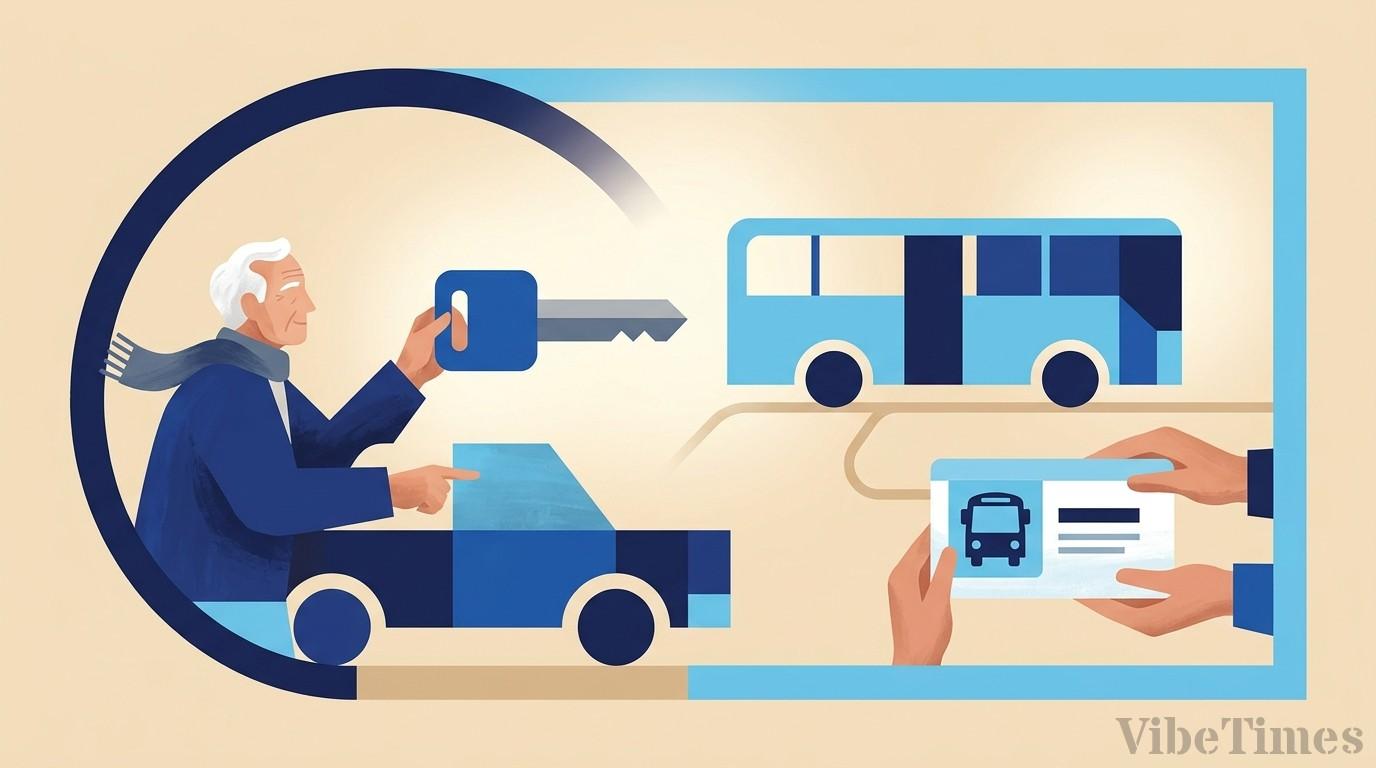
To overcome these shortcomings, a petition titled 'Abolition of Car Purchase Subsidies and Replacement with Public Transport Support' was submitted to the National Petition Board on May 28, 2024. The petition proposes the complete abolition or reduction of the current one-time cash payout structure, instead offering elderly individuals who surrender their licenses free or significantly discounted public transportation starting in 2026. The aim is to alleviate the economic and physical inconveniences faced by seniors who no longer own vehicles by reallocating local government scrappage subsidy budgets to public transport cost support.
Tailored Transit Services Beyond Basic Mobility Guarantee
The new support system, expected in 2026, is anticipated to encompass a diverse range of mobility solutions beyond just free or discounted bus and subway fares. Elderly individuals aged 65 and over who voluntarily surrender their licenses will likely receive a dedicated transit card. To accommodate needs for night-time or long-distance travel, discount coupons for taxis and designated driver services are also highly probable. Furthermore, expanding mobility support services for the transportation-disadvantaged, such as priority access to village buses or door-to-door call taxis, is under consideration. This would effectively eliminate the fixed monthly expenses associated with car ownership, such as fuel costs and insurance premiums.
Challenges of Regional Infrastructure Disparities and Policy Stabilization
Addressing Mobility Disparities Between Urban and Rural Areas
For the new public transport support system to be successfully implemented, the negative effects arising from geographical differences must be minimized. While replacing private vehicles is relatively manageable in large cities with dense public transport networks like Seoul, rural areas and small towns where public transport is virtually non-existent would leave individuals in a mobility vacuum if they give up their cars. Therefore, considering the level of regional infrastructure, it is essential to build physical infrastructure that complements existing subsidies in underserved areas, possibly through hybrid alternative transport methods like Demand Responsive Transit (DRT).
Mitigating System Resistance and Securing Sustainable Funding
A key challenge will be to alleviate the psychological resistance of seniors who have relied on private cars their entire lives as scrappage subsidies are abolished and replaced with card-based benefits. To address this, the existing regulation, introduced in 2022, which limits re-acquisition of a license for three years upon surrender, should be strongly linked with public transport support benefits to enhance the system's effectiveness. Additionally, to assist seniors who are not familiar with smartphone apps or kiosks, administrative support, such as offline application centers and dedicated helpers, will be crucial for the successful implementation of the anticipated paradigm shift in 2026 without causing intergenerational conflict.