President Lee Jae-myung Approves Criminal Procedure Act Amendment Abolishing Prosecutors' Investigation Powers

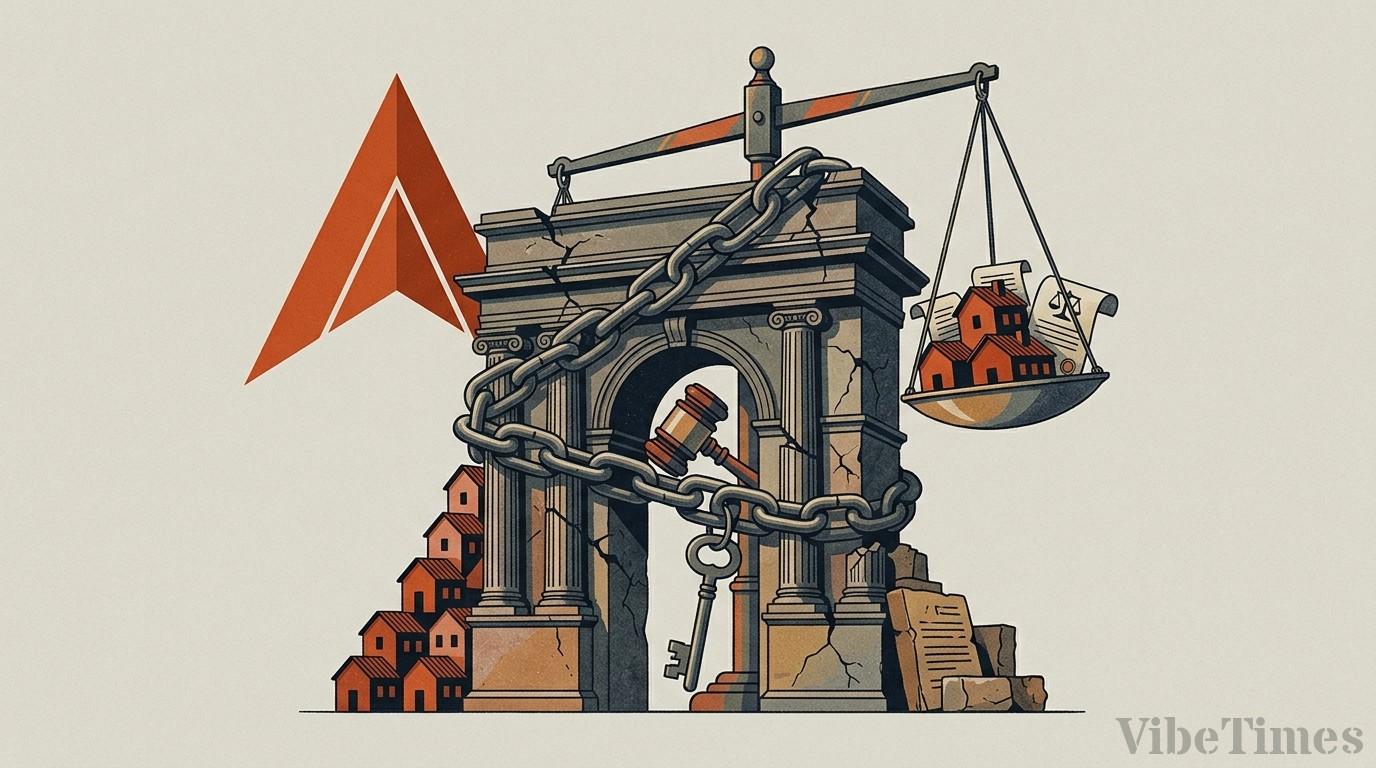
Complete Abolition of Investigation Powers and Fundamental Restructuring of the Judicial System
President Lee Jae-myung presided over a cabinet meeting on August 4, 2026, to give final approval to an amendment to the Criminal Procedure Act. This swift action, occurring just one day after his return from an 18-day tour of the United States, South America, and Germany, is seen as a decisive move. The core of this amendment is the complete abolition of the prosecution's supplementary investigation powers and the full separation of investigation and prosecution. During the meeting, President Lee emphasized that the separation of investigation and prosecution is the first step toward normalizing the judiciary, signaling his intent to fundamentally rebuild the existing criminal justice system.
Han Byung-do, floor leader and acting party leader of the Democratic Party, defined the abolition of prosecutors' supplementary investigation powers as a crucial task for completing prosecution reform. The logic behind this is that the prosecution's monopolization of investigative authority has led to abuses of power, and this authority will now be transferred to the police to ensure checks and balances. The government anticipates that the passage of this bill will lead to increased transparency in the investigative process and the establishment of an advanced judicial system that protects citizens' human rights. In particular, the government plans to focus on reforming the police organization and enhancing its capabilities to strengthen investigative expertise.
The changes to the judicial system go beyond simply changing the entities responsible for law enforcement. President Lee also stressed that with the significant expansion of police authority comes commensurate, stringent responsibility. He announced a policy of imposing severe disciplinary measures, such as dismissal or expulsion, for misconduct or human rights violations during investigations. This is interpreted as a strategic move to preemptively address concerns about potential abuses of public power following the adjustment of investigative authority and to restore trust in the judiciary.
Intensifying Political Disputes and Analysis of the Background for Not Exercising Veto Power
The opposition, including the People Power Party, and some legal circles, such as the Prosecutors' Alumni Association, are strongly opposing this amendment to the Criminal Procedure Act. The People Power Party criticized the amendment's passage in the cabinet meeting presided over by President Lee as a "despicable deal" aimed at having the president's own charges dismissed. In particular, the opposition has been strongly urging the president to exercise his right to veto the bill, arguing that it could undermine the autonomy of local governments and infringe upon the government's budgetary authority. However, President Lee did not accept these calls.
Immediately after returning to the country, President Lee chaired a closed-door meeting at the Blue House for seven and a half hours to review measures for stabilizing the real estate and stock markets, taking center stage on national affairs. The processing of judicial reform bills appears to be an extension of this effort to strengthen his control over state affairs.
Political analysts are focusing on the reasons behind President Lee's decision not to exercise his veto power. This is seen as a reflection of his determined will to maintain consistency in prosecution reform, which he has pursued since taking office, and to complete the state agenda of normalizing the judiciary by responding to the demands of his supporters. It is also interpreted as an attempt to maintain governing momentum by signaling that institutional reforms will not be halted, even amidst ongoing judicial controversies surrounding himself, such as the public election law violation case. However, with the opposition predicting the passage of the Criminal Procedure Act amendment through the cabinet meeting will lead to the disappearance of judicial justice, a nationwide legislative struggle and political countermeasures are inevitable, pointing to a political stalemate.
Linking Securing Governing Momentum with Stabilizing the Livelihood Economy
Along with the restructuring of the judicial system, President Lee is focusing on recovering his approval ratings through the resolution of livelihood economy issues. The meeting he chaired immediately after his return to review the real estate and stock markets underscores this commitment. The government has instructed a comprehensive re-examination of real estate supply measures and the mobilization of all available administrative, financial, fiscal, and deregulation tools to expedite housing supply. This move appears to be directly related to public opinion survey results indicating a crack in middle-class support due to recent surges in real estate prices and housing shortages.
Economic experts are closely monitoring the impact of the rapid changes in the judicial system on the corporate management environment and investment sentiment. There are concerns that initial confusion caused by the adjustment of investigative powers could act as a judicial risk, dampening corporate investment intentions. In response, President Lee has stated his intention to actively remove regulations that hinder business activities and to focus on transferring global achievements in areas such as AI and supply chain cooperation to the domestic economy. In particular, he plans to enhance national competitiveness based on AI capabilities secured through cooperation with semiconductor companies like Samsung Electronics and SK Hynix.
Overall, the implementation of the Criminal Procedure Act amendment is expected to bring about a significant transformation in the power structure across Korean society. The success of judicial reform will hinge on whether the police can strengthen their investigative capabilities and whether the prosecution can establish its role as a dedicated prosecution body. Concurrently, there is a dominant analysis that if the real estate supply measures and stock market stabilization plans fail to yield tangible results, the political burden from judicial reform could increase. The Lee Jae-myung administration faces a critical test, tasked with achieving both the normalization of the judiciary and the recovery of the livelihood economy.