Cho Hee-dee Probe and Special Prosecutor Bill Take Over Budget Review

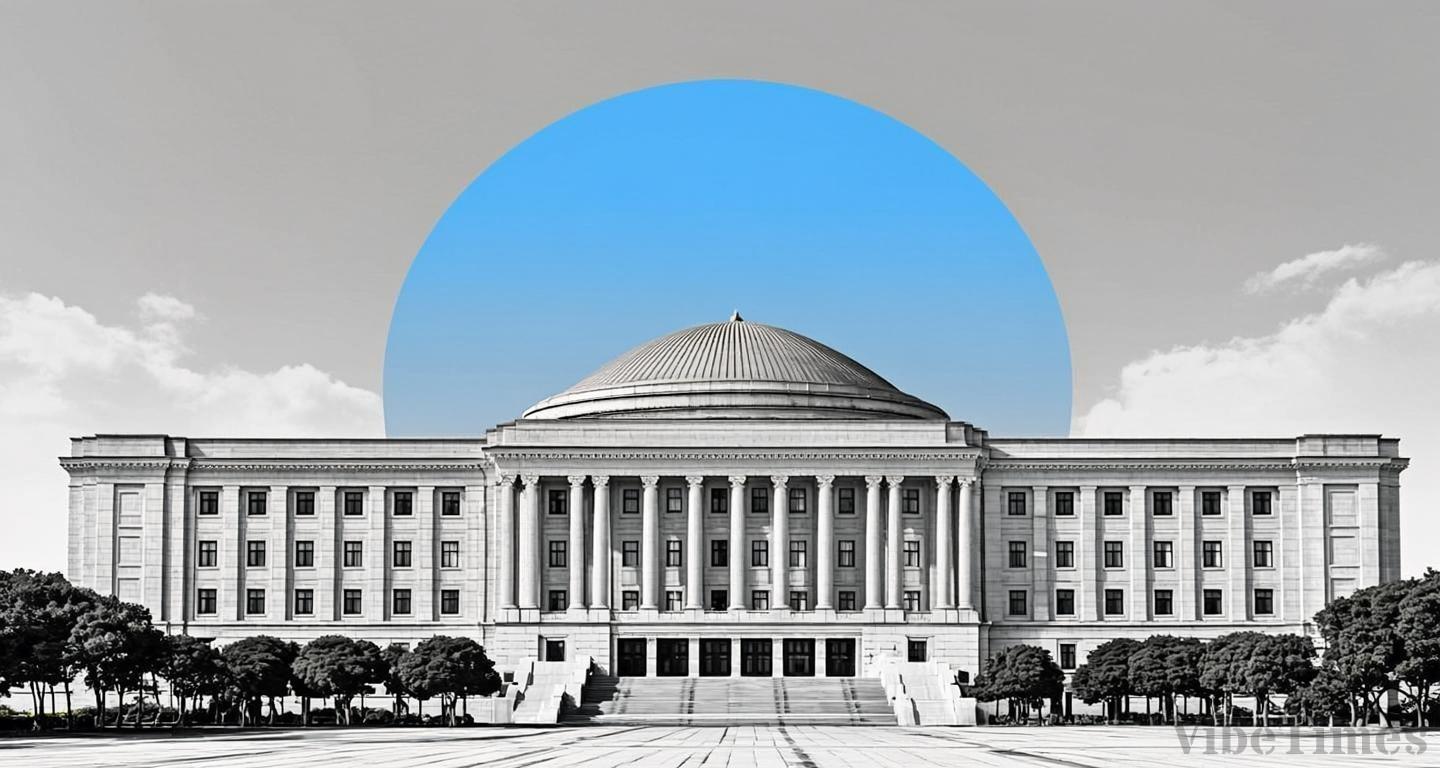
With parliamentary audits concluded, the National Assembly's November schedule has entered a standoff over the national investigation of Chief Justice Cho Hee-dee and the fabricated-indictment special prosecutor bill, with neither side backing down an inch.
As the battle lines between the ruling and opposition parties shift rapidly from legislative audits to lawmaking and budget review, observers predict a head-to-head confrontation will continue through year's end. According to Yonhap News, the National Assembly must handle next year's budget bill along with numerous legislative priorities during the November regular session, but disagreements over the special prosecutor and the investigation are acting as stumbling blocks to negotiations. The Democratic Party is poised to push forward a series of so-called "thorn bills" — contentious legislation — one after another.
Why the Investigation Bill and Special Prosecutor Law Became Thorn Bills
The national investigation of Chief Justice Cho Hee-dee stems from a question of political trust surrounding a specific Supreme Court ruling. The opposition People Power Party protests that the investigation demand itself constitutes an infringement on judicial independence. The Democratic Party, by contrast, maintains that the National Assembly's investigative authority over the judicial decision-making process is necessary. The same applies to the fabricated-indictment special prosecutor bill — legislation to appoint a special prosecutor to investigate suspicions that the prosecution brought charges based on fabricated cases. The People Power Party is mounting opposition over the special prosecutor's scope of investigation and independence.
The prevailing analysis is that the essence of the dispute is closer to a political power struggle than to the bills themselves. Under the Assembly's composition, where the ruling party holds the advantage, both bills would likely pass if a vote were held. But the opposition has vowed to resist through filibusters and blocking of the agenda. In the end, a single bill has become a bargaining chip that holds the entire budget review hostage.
The Substance of the Legislative Priorities in Dispute
The Democratic Party's legislative ambitions do not stop at the special prosecutor bill and the investigation. According to Yonhap, ahead of next year's budget deliberations on November 1, the party discussed expanding national funding for firefighting and measures to increase public housing supply. The plan is to have the central government shoulder more of local fire services' finances and expand public housing to ease housing burdens for ordinary citizens. It is read as a strategy to bundle budget and legislation into tangible livelihood achievements.
Discussions of a supplementary budget to address revenue shortfalls cannot be overlooked either. An Audit Board finding confirmed that revenue errors exceeding an annual average of 50 trillion won occurred over the past four years, prompting the introduction of a bill obligating the government to disclose the basis of its revenue forecasts to the National Assembly. If annual forecasting misses of 52 trillion won continue, the very credibility of next year's budget bill will be shaken. Demands for transparent disclosure of forecast bases are expected to be wielded as a negotiating card by the opposition during the budget review phase.
How Far Has the Debate Narrowed?
No sign of the gap between the parties narrowing is visible. The Democratic Party, calling the special prosecutor bill and investigation bill essential steps toward uncovering the truth, is pushing for an early vote. The People Power Party is broadly mounting counterarguments that the measures amount to political pressure on the judiciary and a political offensive ahead of elections. Among civic groups and parts of the legal community, some point out that overuse of special prosecutors could damage public trust in the judiciary, while others argue that without substantively uncovering the truth of the fabricated-indictment allegations, prosecution reform discussions will go nowhere.
Notably, demands for a national investigation of a Chief Justice are hard to find precedent for. Deciding how far a legislative investigation of the judiciary's top official is permitted by convention and legal principle could itself escalate into a constitutional controversy. On this front, the intensity of opposition resistance may prove higher than expected.
Outlook for the Legislative Calendar After November
In the short term, the budget bill's passage will be the yardstick for everything. The budget must pass by the statutory deadline of December 2, and under past Assembly practice, when budget negotiations collapsed or stalled, contentious bills were often carried over, unvoted, to special sessions. Whether the Democratic Party tries to vote on the special prosecutor bill before budget negotiations or defer it until after budget passage will be the first fork in the road in mid-November.
If the opposition resists by blocking the agenda, the vote will inevitably be pushed into December. In that case, the Cho Hee-dee investigation bill, the fabricated-indictment special prosecutor bill, and the revenue-forecast transparency bill would all pile up in the year-end special session, likely turning into a negotiation to be traded against the budget bill. Given the voting arithmetic, passage of the special prosecutor bill and the investigation bill remains possible, but legal battles and political fallout are expected to follow at the implementation stage after passage. Ultimately, the November Assembly showdown will hinge not on the number of bills passed, but on the balance struck between passing the budget on time and securing as much contested legislation as possible.
