Must-Read for Cebu Travelers: Tricycle Usage Guide and Tips to Avoid 'Haggling Hell'

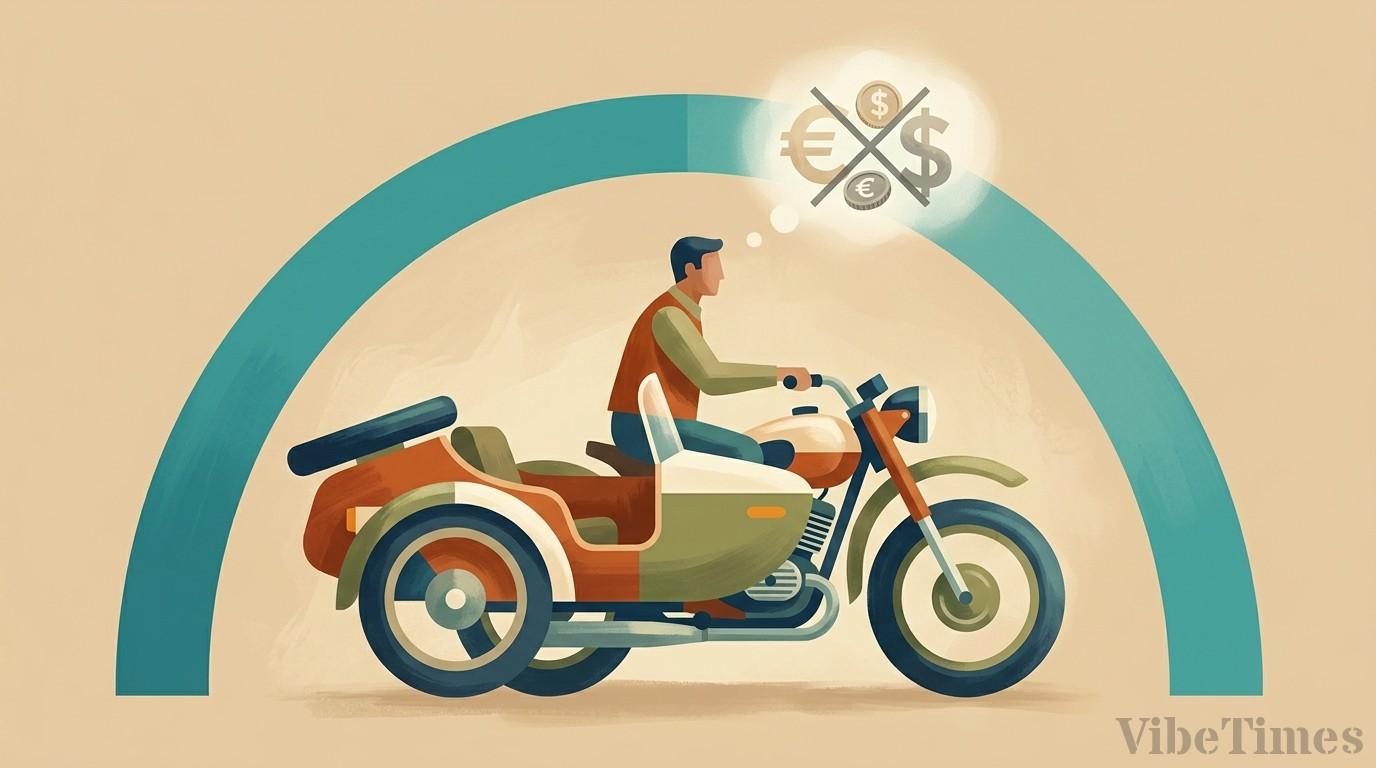
In the Mactan area of Cebu, Philippines, it is a common occurrence for tricycle drivers to demand 100 Pesos (approximately 2,400 KRW) for a short trip of just 5 minutes. The actual fare for locals is only around 15 Pesos. In Mactan and Lapu-Lapu, where the airport and major resorts are concentrated, narrow alleyways make it difficult for large taxis to enter, making modified motorcycle tricycles the de facto only form of public transportation. We examine the exact fare standards and practical negotiation strategies needed to escape unreasonable fare demands targeting foreigners—so-called 'Haggling Hell'—which exploits the lack of a clear metered fare system, and to travel at reasonable local rates.
Traffic Landscape in Mactan and the Dominance of Tricycles
Limitations of Large Vehicles and the Overwhelming Accessibility of Tricycles
Cebu City has relatively well-maintained road networks, making it easy to use regular sedans or ride-hailing services like Grab. However, the situation is starkly different on Mactan Island, where the airport is located, and nearby Mandaue. Narrow alleys (Calle) and unpaved coastal roads are intertwined, making it impossible for large vehicles to enter most areas. Due to these geographical characteristics, tricycles have established themselves not just as a tourist transport but as essential infrastructure for locals' daily commutes and market trips.
Characteristics of 'Sebas' and Sidecar Models
Tricycles in the Cebu Mactan region differ slightly from those commonly seen throughout the Philippines. They predominantly feature a 'Sebas' or sidecar method, where a simple seat is attached to the side of a motorcycle. They can carry more passengers than standard motorcycle taxis, with some wide rear-seat models accommodating up to four people. Optimized for short distances on rough coastal roads, they offer high maneuverability.
2024 Updated Fare Standards and Strategies to Block Tourist Taxes
The Rule of the Local Base Fare: Remember 15 Pesos
Due to recent oil price hikes, the base fare for local tricycles in the Mactan and Mandaue areas has settled at around 10 to 15 Pesos (PHP) for short distances, such as trips to nearby markets. For medium distances, such as to shopping malls or golf courses, the local standard is 20 to 30 Pesos. If the fare presented by the driver significantly exceeds these standards, it is clearly an overcharge for foreigners, and you should attempt to negotiate immediately.
Preemptive Pricing to Defend Against 'Absurd Tourist Taxes'
Upon seeing a foreign traveler, drivers typically quote fares starting from 50 Pesos to over 100 Pesos, and in severe cases, may even ask for 200 to 300 Pesos. It is advisable to set 50 Pesos as the absolute maximum for short trips. If they demand more than 100 Pesos, the quickest way to avoid being ripped off is to refuse immediately and look for the next vehicle.
Overcoming 'Haggling Hell' in Practice: Step-by-Step Negotiation Scripts and Scenarios
Declaring Destination and the Counter-Proposal Technique
Before boarding, clearly state your destination and ask the price first by saying, "Tag pila? (How much?)." If the driver quotes 100 Pesos, you must firmly counter-propos with a smile, saying, "Too much, thirty only." Finding a compromise between 30 and 50 Pesos is standard market practice. If traveling in a group of 2-3, a valid strategy is to propose splitting the total fare based on a per-person rate to lower the overall cost.
Blocking Double Charging for Luggage and the 'Special' Strategy
When carrying large backpacks or shopping bags, drivers often demand 2-3 times the fare using luggage as an excuse. In this case, firmly draw the line by saying, "Fare only, luggage is small," to prevent unnecessary extra costs. Negotiating for a 'Special' ride—which goes directly to the destination without picking up other passengers—can cost more than double the base fare. Therefore, for short distances, it is more cost-effective to accept the shared riding method where the driver picks up additional locals along the way.
Alternative Transportation and Safe Routing Guide
Securing Transparent Fares Using Ride-Hailing Apps
If you feel exhausted by on-site haggling, using smartphone apps for vehicle booking is a reliable alternative. In the Mactan area, you can turn on the Grab app and use the estimated fare shown on your screen to negotiate with the driver. Booking a car or multi-passenger tricycle directly through an app ensures payment at a pre-fixed rate, fundamentally blocking arbitrary price gouging or disputes, while supporting QR and card payments for safety.
Mandatory Transfer Principle When Entering Cebu City
Tricycles are legally banned from entering many areas in the heart of Cebu City from Mactan and Mandaue. If you plan to travel from a Mactan resort to shopping malls or tourist spots in downtown Cebu, you must take a tricycle only as far as the bridge or main arterial roads and then transfer to a regular taxi or large vehicle. If you insist on taking a tricycle into the city and get caught by police enforcement, you may face the misfortune of being kicked out mid-journey. Additionally, at night when visibility is poor and the risk of safety accidents increases, it is crucial for safe travel to use regular taxi calling services with fixed fares rather than tricycles that require haggling.