August 13 Procurement Market Report: Analysis of 80 Cases, 30% Smart Procurement, Samjeong Elevator, Kyobo Life Plan Insurance

Transition to an Era of Smart Procurement... Diversification of the Public Contracting Ecosystem
A comprehensive analysis of recent bidding and contract status data from 80 companies participating in the government procurement market reveals that the public contracting ecosystem is diversifying rapidly. Examining the 80 contracts obtained through the Public Procurement Service and public data portals, a shift away from the past dominance of specific large construction or information technology (IT) firms is evident. Instead, a clear pattern has emerged where diverse small and medium-sized enterprises (SMEs) and mid-sized companies across industries such as environment, safety, life insurance, and spatial information are actively participating. Companies such as Daehun Environment, Daekyung Forestry Development, Kumkang Geospatial, and Innovation Safety Technology, explicitly named in the data, have secured one or more procurement contracts in distinct specialized sectors. This serves as evidence that the public sector requires comprehensive private sector technology to maintain social infrastructure, rather than limiting itself to specific large-scale projects.
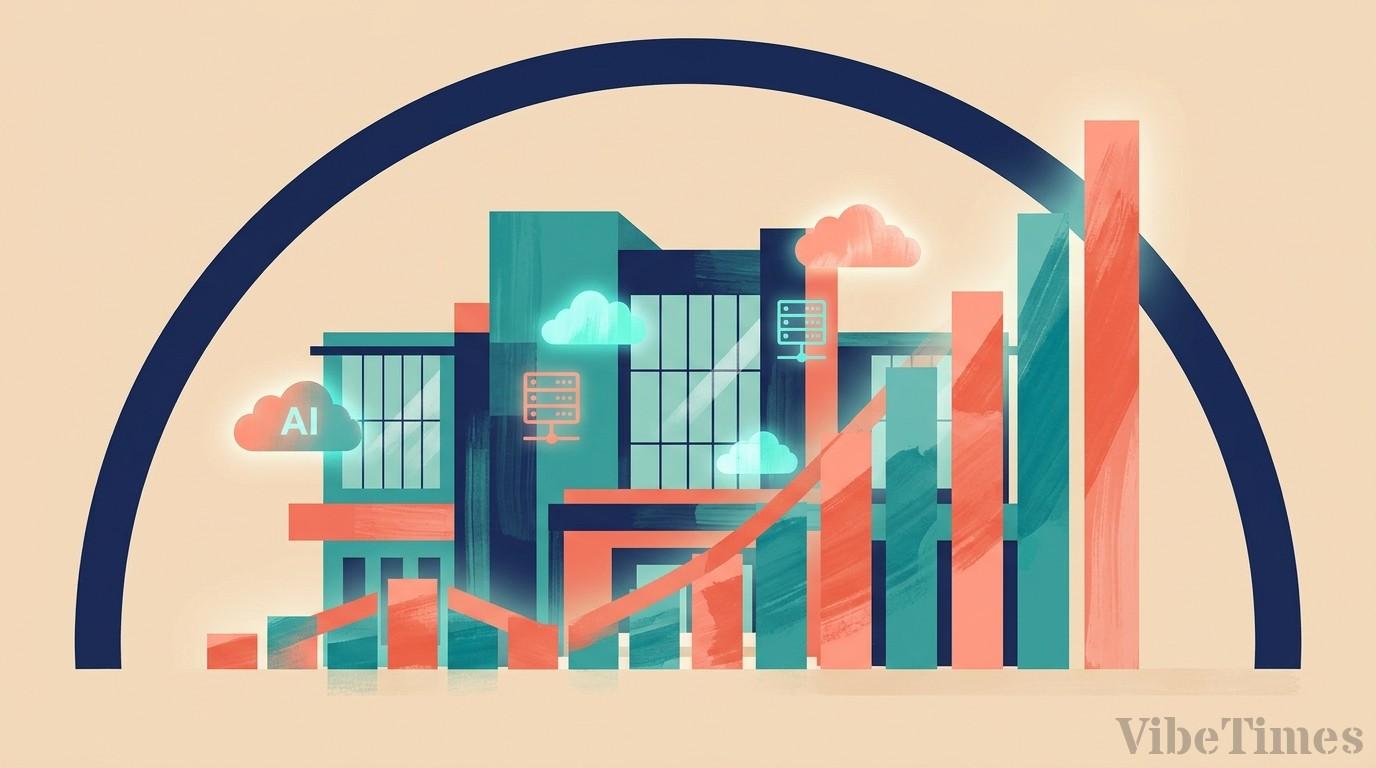
A particularly notable point is that the specific fields of contract extend well beyond traditional civil engineering and architecture. While financial sector companies like Kyobo Life Plan Insurance have entered the procurement market, Samjeong Elevator is meeting public demand in the facility maintenance sector. Additionally, service and software-based companies such as MyShopOnShop, InterZ, and Wible are also well-represented. This contracting structure, which has moved away from a focus on manufacturing and construction, is linked to the digital transformation of public administration and infrastructure operations. Buoyed by the government's recent smart city and digital platform policies, the proportion of bids integrating cloud-based data processing and artificial intelligence (AI) technology has surged to approximately 30% of the total procurement volume. These figures directly correlate with the concrete demand from institutions seeking to shift from manual administrative methods to systematic digital systems.
Synergy Between Digital Infrastructure Expansion and Strengthening Safety and Environmental Regulations
A breakdown of industry trends reveals two main axes. The first is the 'advancement of geographic and spatial data.' Behind contracts secured by Hanin Architects & Engineers and Hanbit Engineering & Architects lies a demand for the precision of territorial information. Efficient management of key national infrastructure requires three-dimensional spatial information and visualization systems. Consequently, the participation of specialized surveying and mapping firms in the public sector is increasing, laying the groundwork for the construction of digital twins (technology that replicates the real world in a virtual space). At the same time, the procurement participation of specialized engineering firms like Ace Engineering suggests that the government's preemptive investment in maintenance to address aging infrastructure continues.
The second core axis is 'eco-friendly energy and disaster safety management.' Aligning with the global agenda of carbon neutrality, companies specializing in eco-friendly forestry resources and the environment, such as Forest Resources Development and Neulpium E&C, have secured public contract volumes. This demonstrates that state-led forest restoration and ecosystem protection projects continue to receive budget allocations. Furthermore, as the importance of disaster prevention and safety management grows greater than ever, the position of companies providing safety diagnosis and management systems, such as Innovation Safety Technology and Saeroi, is becoming more solid. This phenomenon is interpreted not as short-term infrastructure investment but as the result of long-term, structural policy decisions aimed at responding to climate change and guaranteeing citizen safety.
Outlook and Implications for the Public Contracting Ecosystem
The implications of this procurement data are very clear. Moving forward, the position of SMEs possessing specialized technical capabilities in specific fields is expected to strengthen further than that of companies simply performing construction work. In the recent 80 contracts, numerous specialized SMEs have already demonstrated success in concluding contracts by passing government certification and evaluations. As bidding information analysis utilizing big data becomes more sophisticated, objective indicators such as technical prowess and appropriate pricing, rather than past reliance on connections or company size, will increasingly determine contract success. The entry of companies of various sizes, such as Jinwoo ATS, Taeseong, and G&B Planning, through equitable opportunities proves that a healthy procurement ecosystem is being created.
It is the common view of the industry that as the competitive landscape of the procurement market becomes transparent, the advancement of SMEs into the public sector will reach an all-time high.
As long as the government's digital policy and green growth momentum continue, the contract volume for companies providing cloud platforms and environmental safety solutions is expected to increase steadily. However, fierce technological competition is inevitable to maintain a minimum contract scale. The government, as the procuring entity, is also expected to evaluate technical capabilities through more precise Requests for Proposals (RFP). In conclusion, public data status should be utilized as a macroscopic indicator showing how national budgets enhance future industrial competitiveness, going beyond individual corporate performance. The current procurement pattern, free from the traditional construction-centric approach, presents a pivotal inflection point for the advancement of Korea's industrial structure.