Convenience Store Lunchboxes and Meal Kits Differ in Nutrition and Price

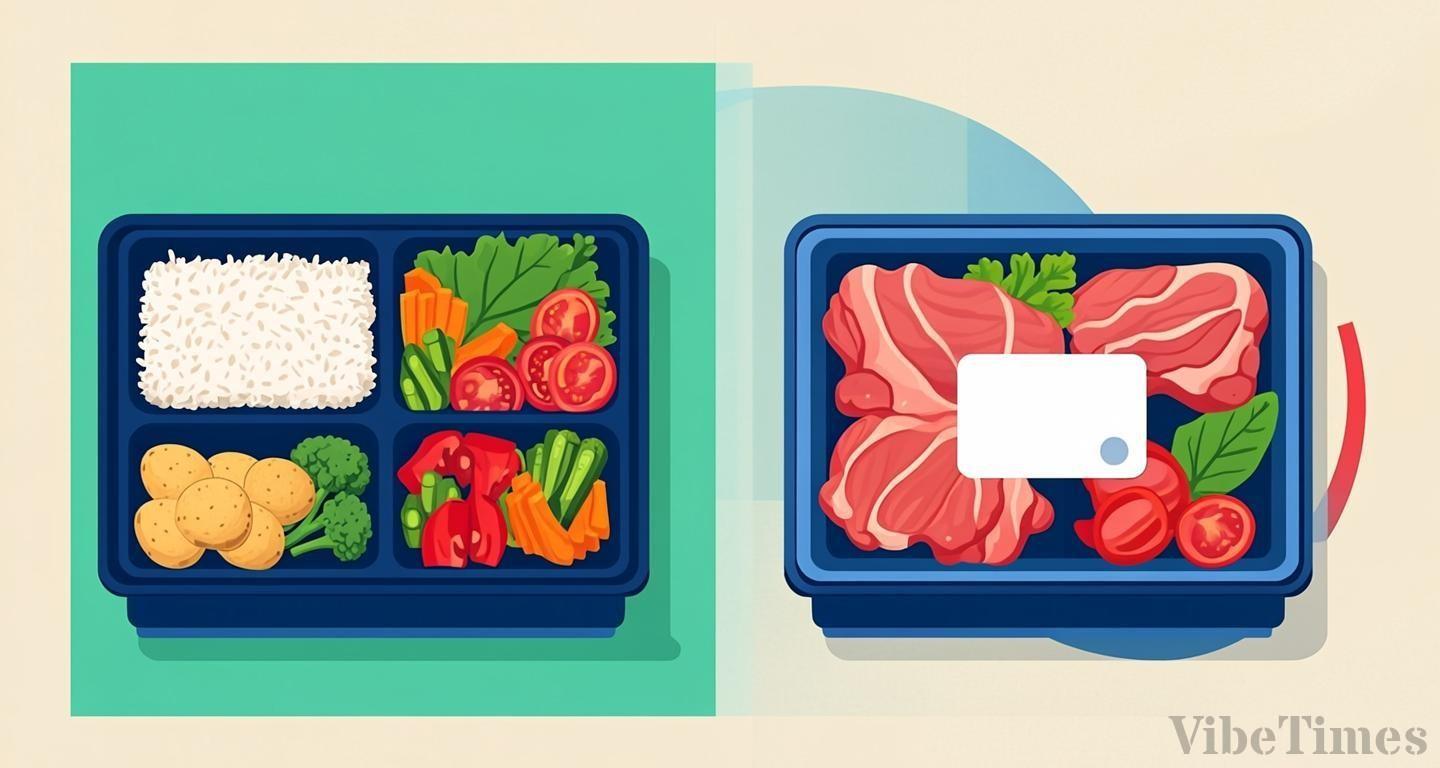
Convenience store lunchboxes cost 4,000–9,000 won and require just 1–2 minutes in the microwave, while meal kits run 5,000–15,000 won per serving and need 5–15 minutes of cooking.
On average, meal kits win on nutrition, while lunchboxes clearly dominate on price. Ultimately, the choice comes down to 'instant consumption with calorie-label management' versus 'hands-on cooking with sodium control.' This analysis breaks down the strengths and weaknesses of each product category along two axes: nutrition and price.
The Era of 35% Single-Person Households: The Ready-to-Eat Market Splits in Two
Lunchboxes for 'Instant Eating,' Meal Kits for 'Cooking at Home'
As single-person households in Korea surpassed roughly 35% of all households, the HMR (home meal replacement) market grew to a multi-trillion-won scale. After COVID-19, the meal kit market expanded especially rapidly, and consumer demand split in two. Ready-to-eat lunchboxes and quick-cook meal kits each absorbed different consumer segments and developed as distinct product categories.
Basic Specs Compared
Lunchboxes are sold fully cooked and only need microwave heating; they are available at convenience stores such as CU, GS25, 7-Eleven, and E-Mart 24. Prices range from 4,000 to 9,000 won, and with private-label products or 1+1 promotions, there are plenty of options in the 4,000-won range. Meal kits come as packages of prepped ingredients with seasonings and sauces included, and take 5–15 minutes to cook. They can be purchased at supermarkets, online malls, and specialty meal kit shops.
Information on the Shelf Is Also Different
When shopping, consumers unconsciously consider not only taste, price, and convenience, but also product placement, price tiers, how nutrition information is presented, and proximity to competing products. Lunchboxes display calories prominently on the container, while meal kits often keep nutrition facts inside the packaging or on online product pages. The amount of information visible at the moment of purchase itself differs between the two products.
Nutrition Comparison: Labeled Calories vs. Controllable Sodium
Lunchboxes' Strength Is Labeled Calories; Their Weakness Is Sodium
Most convenience store lunchboxes state calories on the container, and many fall in the 400–600 kcal range, making portion management easy. Diet-friendly lineups such as chicken breast and salad lunchboxes have also expanded. The problem is sodium. Levels of 1,000–1,600 mg per pack are typical, amounting to 50–80% of the WHO's recommended daily limit of 2,000 mg. Many products also lack vegetables and fiber and are heavy on rice-centered carbohydrates.
Meal Kits' Strength Is Control; Their Weakness Is Missing Labels
Meal kits let you control the amount of sauce and oil yourself, and fresh prepped ingredients mean less nutrient loss. With their lower degree of processing, they are generally considered nutritionally superior on average. However, sauce-heavy products like malatang, tteokbokki, and stews can contain more sodium and calories than lunchboxes. Some kits lack calorie labels or offer only rough estimates, making numbers-based management harder instead.
Practical Decision Criteria
If you manage daily calorie intake by the numbers, clearly labeled lunchboxes are the right choice. If you want to cut sodium and eat fresh ingredients, go for meal kits. Consumers who need sodium restriction, such as those with hypertension, should always check the sodium content per serving when choosing a lunchbox.
Price Comparison: Judge by 'Cost per Way of Eating,' Not Absolute Price
On Pure Cost, Lunchboxes Win
The average cost per meal is about 5,000–7,000 won for lunchboxes versus about 7,000–12,000 won for meal kits. In absolute terms, lunchboxes are clearly cheaper. Meal kits also add gas or electricity costs for cooking and the risk of waste from failed cooking attempts. For lunchboxes, the only caveat is that their low cost ratio makes it hard to increase portion sizes.
Meal Kits Are Advantageous as Dining-Out Substitutes
Compared with dining out at 10,000–15,000 won per person, meal kits offer a premium position—similar satisfaction at 50–70% of the price. Multi-serving products for 2–3 people often have a lower per-serving cost, and online subscription discounts can cut costs further. Prices vary widely by channel even for the same meal kit, so simply choosing where to buy becomes a savings strategy.
Factoring in the Cost of Time
A meal kit's true cost is the kit price plus the time value of 5–15 minutes of cooking. For office workers on a tight lunch break, this total cost exceeds that of a lunchbox. Conversely, for consumers with free evenings, meal kits become a rational choice that cuts dining-out expenses.
Final Selection Guide by Consumer Type
For Maximum Convenience: Convenience Store Lunchboxes
Lunchboxes suit those critically short on time, office or dorm environments without cooking facilities, and situations requiring calorie management by the numbers. When choosing, prioritize products with sodium under 1,000 mg, and check for under 500 kcal with at least 20 g of protein. Choosing brown or mixed-grain rice and adding a salad can make up for missing fiber. Using only half the broth or sauce is another useful trick.
For Meal Quality and Dining-Out Savings: Meal Kits
Meal kits are better if you want a proper dinner, need to control sodium and oil for health reasons, or even want the fun of cooking. Choose products that let you adjust sauce amounts, and pick stews, braised, or steamed dishes over fried or stir-fried items to cut calories. Since shelf life is short, plan to cook soon after purchase.
The Most Realistic Answer: Using Both, by Situation
A combined strategy—lunchboxes for lunch and busy meals, meal kits for weekend dinners and leisurely meals—captures the strengths of both products. Whatever you choose, the common checklist has three items: sodium content, calories per serving, and the balance of protein and vegetables. As the latest product lineups and prices change, it's worth checking brands' official websites or stores directly.