Three Scenarios for the Korean Stock Market After 2026, as Analyzed by Global Investors

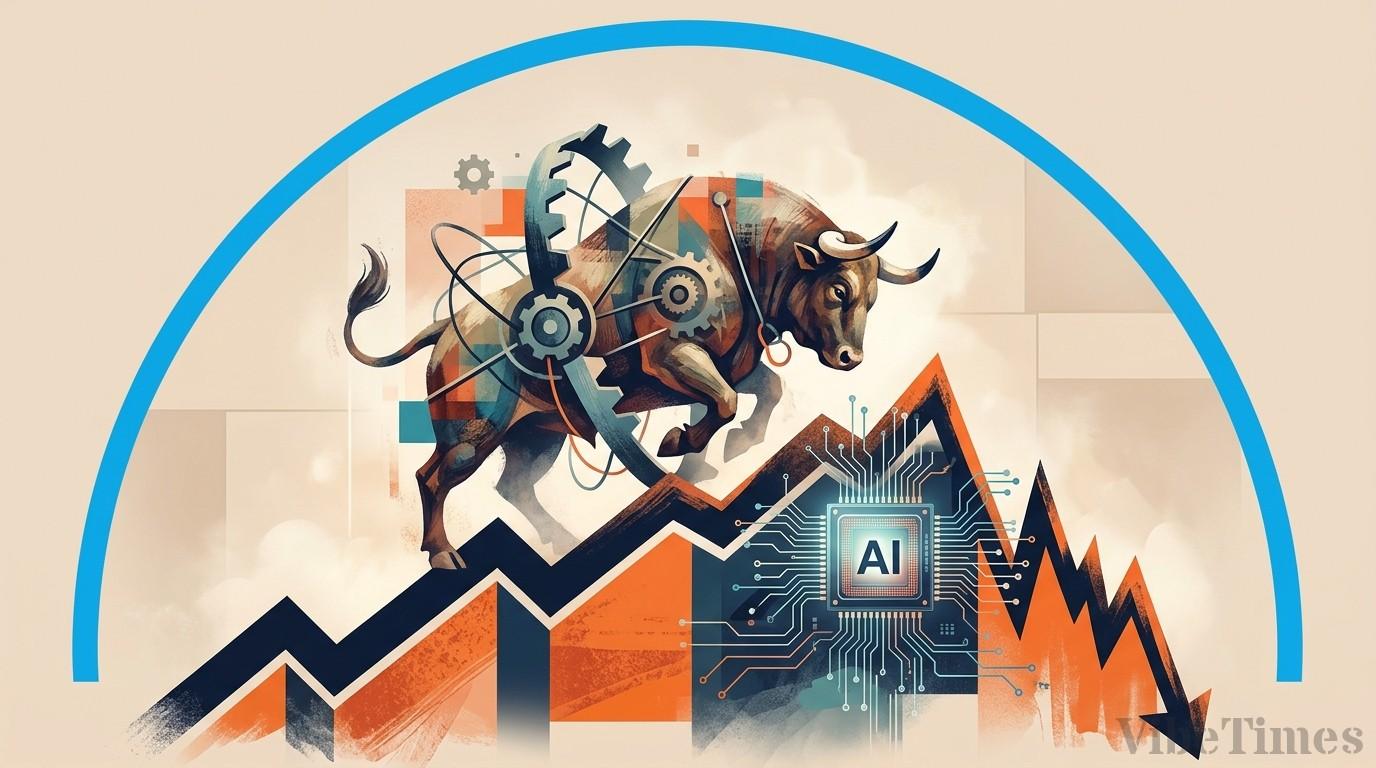
Investors worldwide view the performance of semiconductor companies like Samsung Electronics and SK hynix as the key to determining the future trajectory of Korean stocks, paying close attention to whether the recent influx of investment capital was merely a sign of overheating. Although the AI semiconductor frenzy made the Korean market popular in Asia, the surge in leveraged investment products led to significant stock volatility, making the analysis of future trends all the more necessary.
Investment banks categorize market trends after 2026 into three scenarios: continued AI semiconductor super-cycle, a shift toward earnings-based performance amid adjusted AI expectations, and a slowdown in AI investment coupled with economic deterioration. JPMorgan analyzed that while semiconductor companies may directly benefit from expanded AI investment, not all AI-related firms will receive the same valuation. Goldman Sachs cited the memory semiconductor cycle as a key driver for the rise of the Korean stock market, setting a KOSPI target of 9,000 points for December 2026. Bloomberg diagnosed that AI semiconductor demand underpins the 2026 market rally, with Samsung Electronics and SK hynix serving as key factors for market revaluation within the global AI supply chain.
The Korean stock market holds a relatively advantageous position during this differentiation process. As long as investment in the AI industry continues, the memory semiconductor, high-bandwidth memory (HBM), and related equipment sectors will maintain a structural demand base. JPMorgan analyzed that valuations of AI-related firms in the global stock market will differentiate based on their actual profit-generating capabilities. Since the market's key stocks are deeply embedded in the infrastructure supply chain rather than AI service companies, key Korean firms within this supply chain are diagnosed as being in a relatively favorable position.
Reuters analyzed that Samsung Electronics and SK hynix were at the center of market value changes during the recent stock market correction. Investors are eyeing AI demand outlooks and potential competition from Chinese semiconductors as major risk factors. Key indicators watched by investors include high-bandwidth memory (HBM) sales figures and semiconductor company earnings. The direction of U.S. interest rates, foreign capital flows, and the success of Korean corporate policies to improve valuation also influence market direction.