Regular Session Opens, Beginning Democratic Party Majority's 100-Day Legislative and Budget Battle

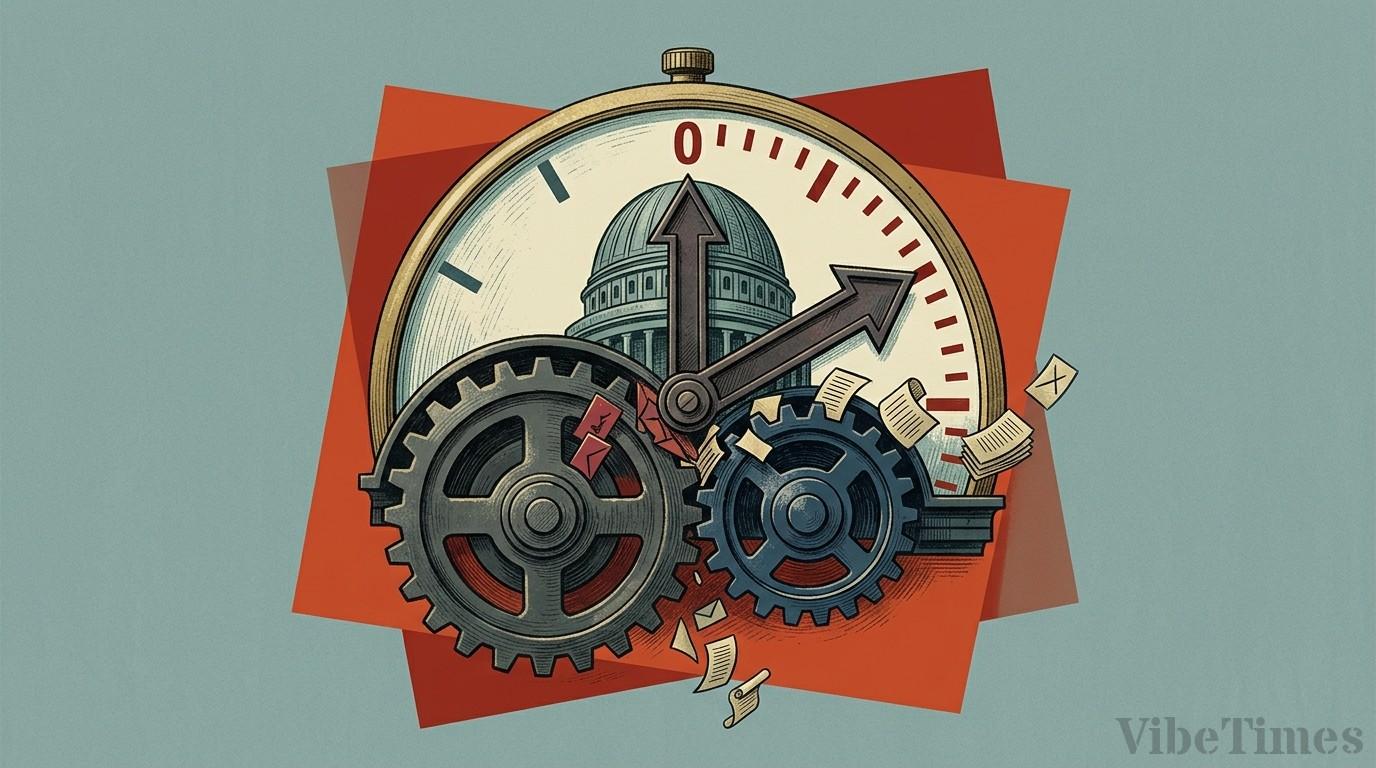
With the regular session opening on the 1st, the ruling party, holding a majority of seats, and the opposition party are set to engage in a 100-day legislative and budget battle over real estate bills and the processing of next year’s budget.
On the legislative front, bills related to real estate supply serve as the first hurdle. While the overarching direction toward expanding supply is set, the interests of the ruling and opposition parties remain entangled regarding the speed and content of the bills' processing.
The weight of the legislative agenda lies with the government. The contentious bills to be handled in this session are characterized by their support for the Lee Jae-myung administration’s policy agendas. As these tasks involve institutionalizing policy directions, the speed of processing serves as a yardstick for the administration’s driving force. The structure is such that the efficacy of government policy hinges on the passage of each individual bill.
The budget front is massive in scale from the start. Next year’s budget proposal has reached an all-time high, earning it the moniker "super budget." The government sets the scale of state spending and submits it, and the National Assembly finalizes it after review. In this process, the political calculations of the ruling and opposition parties regarding which items to defend and which to adjust become the essence of the politics.
The ruling party’s game plan is simple. The Democratic Party intends to use its absolute majority of seats to ensure next year’s "super budget" is passed as originally proposed. "Absolute majority" refers to a number of seats that far exceeds a simple parliamentary majority.
The 100-day timetable itself acts as a pressure mechanism. Since the session period is fixed, legislative and budget reviews are crammed into a single term. There is a structural dynamic where if legislation drags on, the budget gets pushed to the back burner, and vice versa. Consequently, the coordination of the legislative schedule between the ruling and opposition parties emerges as a variable that will determine the flow of the session.