AI, Geopolitics, and Digitalization Decide Who Masters Wealth

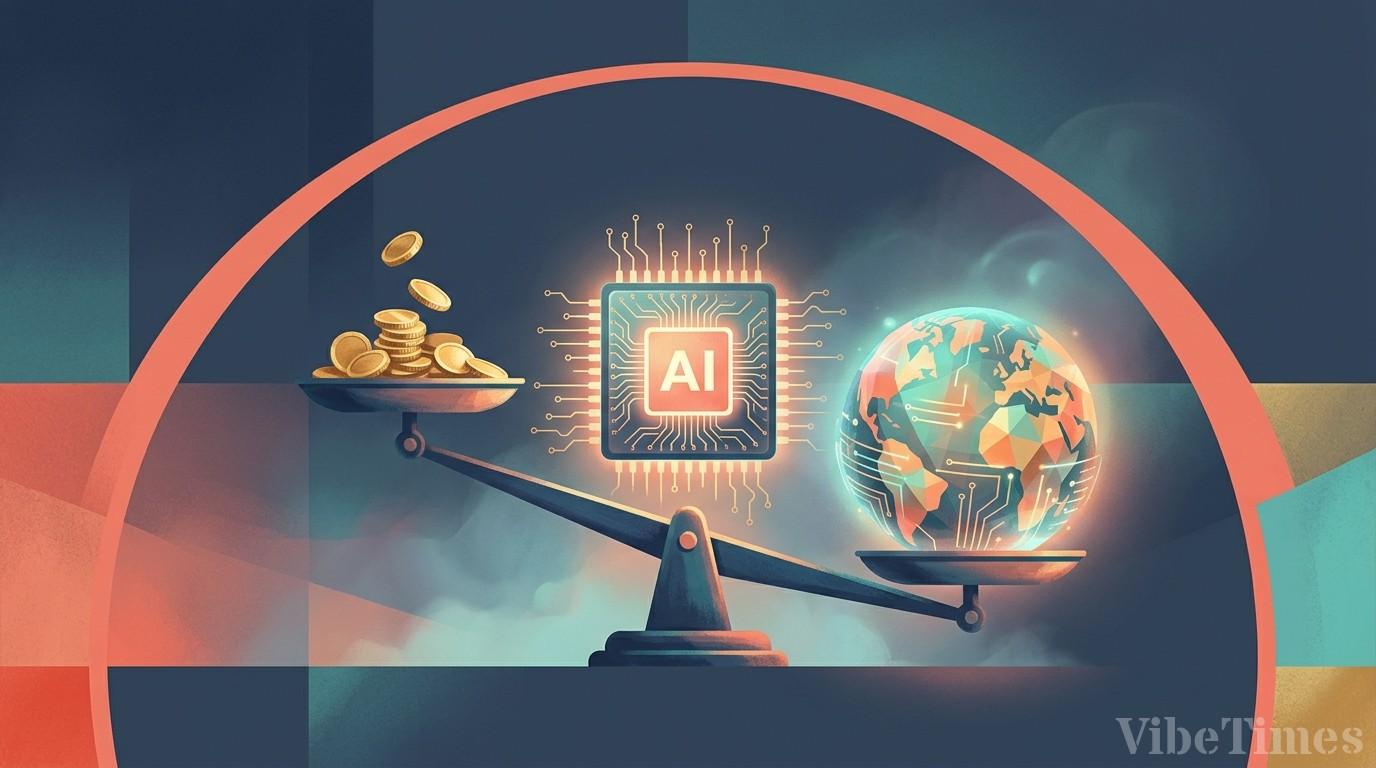
Shin Hwan-jong, a veteran financial expert with 20 years of experience, analyzes inflation not simply as a rise in prices but as a 'shift of wealth,' introducing in his new book how to read the flow of money in the era of AI, geopolitics, and digitalization. The period the author particularly highlights is from 2026 to 2030. He defines the next five years—where AI investment, supply chain reshuffling due to U.S.-China hegemony rivalry, and the spread of digital assets intersect—as an era of 'compound inflation.' He diagnoses that it will be difficult to navigate this period using only the familiar formula of raising interest rates when prices rise and buying stocks when rates fall.
As supply fails to keep up with demand, ranging from copper to rare earths, raw materials are emerging as a key variable. AI is a technology that boosts productivity, but it demands massive investment in data centers and power grids. Overlapping with the eco-friendly transition, demand for copper—a key material for power grids—is rising rapidly, yet it takes over 10 years for new mines to enter production. Amid U.S.-China tensions and geopolitical conflicts spreading from crude oil to export controls on critical minerals like lithium, nickel, and rare earths, the author predicts that if demand and geopolitical shocks coincide, raw material prices could push prices back up.
Changes in currency and financial markets are also variables. With the development of stablecoins (cryptocurrency with a fixed exchange rate to legal tender or assets) and the tokenization of real assets, individual and global capital can flow more easily into the raw materials market, which was previously the domain of institutional investors. Conversely, the influence of central banks is clearly reaching its limit. The author analyzes that raising interest rates cannot stop wars or reduce AI's power demand, nor is it easy to control government security-related fiscal spending.
These changes impact Korean investors more directly. Given the economic structure reliant on overseas sources for a significant portion of energy and food, fluctuations in international oil prices, grain prices, and the won-dollar exchange rate are quickly transmitted to domestic prices. The author points out that the concentration of household assets in real estate could also amplify the impact of these shocks.
The solution presented in the book is not about picking a specific single asset. Based on historical patterns and market data, it posits three scenarios: basic, high inflation, and disinflation. It introduces an 'inflation-adaptive portfolio' that includes growth assets, income assets, and real and alternative assets to prepare for price rises and crises. Instead of accurately predicting future prices, the advice is to diversify assets so one can withstand any situation.
The author concludes the book by asking where one's assets will stand as inflation redraws the wealth map.