Itaewon Crowd Crush Panel to Chase the Truth for One More Year

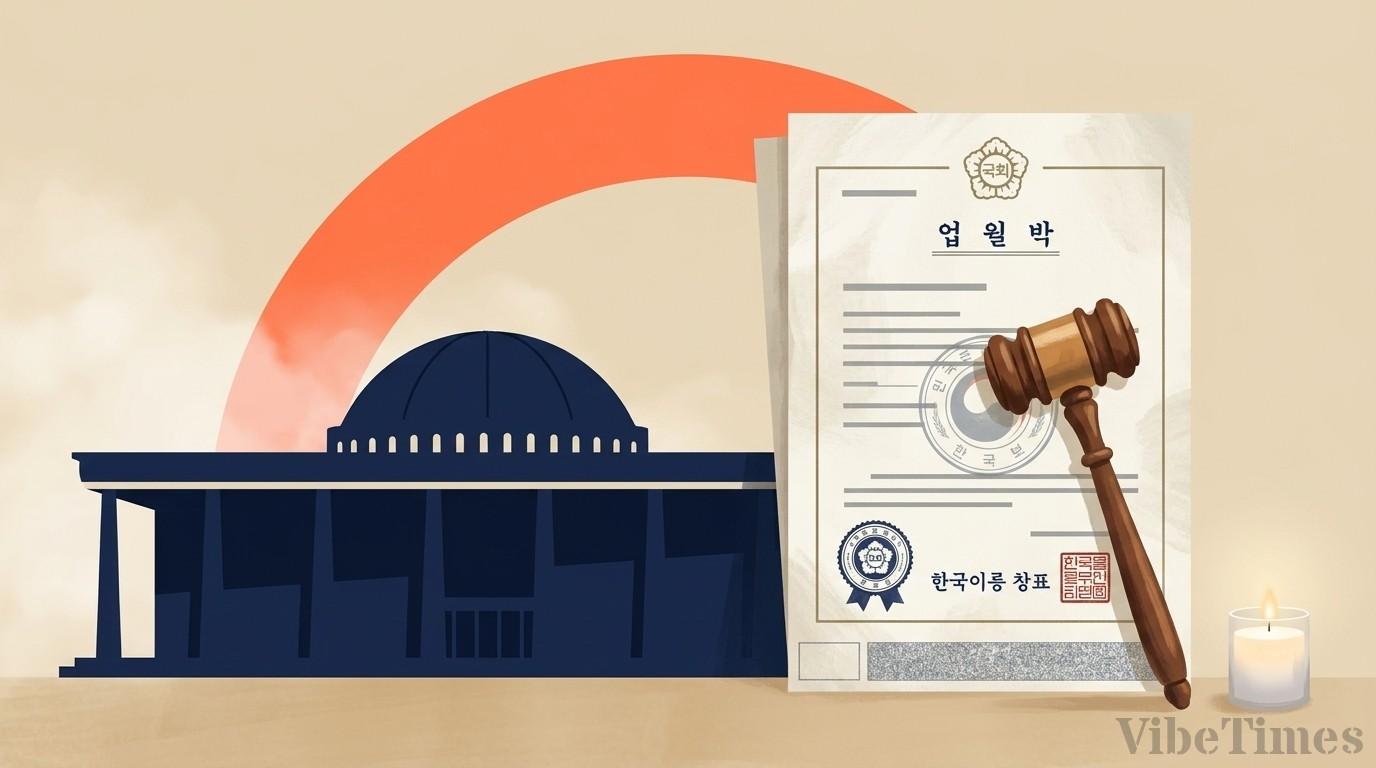
The Special Investigation Committee on the Itaewon crowd crush will pursue the truth for one more year. On the 3rd, the National Assembly passed in plenary session an amendment to the special act on the Oct. 29 Itaewon crowd crush that extends the committee's mandate by one year. The same day, a bill expanding the National Intelligence Service's duties also won approval.
Why the Extension Was Unavoidable
On Oct. 29, 2022, a crowd surge in a narrow alley in Seoul's Itaewon district left 159 people dead. Nearly four years after the disaster, bereaved families and civil society have argued that the police and administrative agencies' systemic response failures have yet to be fully brought to light. The Special Investigation Committee was created, after negotiations between the ruling and opposition parties, as a mechanism to fill that void, tasked with establishing how the situation was managed and commands were issued before and after the disaster, and where responsibility lies.
Time proved the stumbling block. The view gained ground that the investigation and the drafting of a final report could not be completed within the statutory deadline, and had the committee disbanded without an extension, the investigative momentum it had built up would inevitably have been reset to square one. With the ruling and opposition parties in agreement on the need for an extension, the amendment passed without contention.
The Bill's Framework and Its Ripple Effects
The core of the amendment is simple: it extends the committee's operational deadline by one more year from now. Its scope covers central government agencies, local governments and the police, among other bodies involved in the disaster response. Over the extended period, the committee will continue to demand document submissions and summon officials for questioning, and on the basis of the material it secures, it will complete a final report establishing accountability and laying out measures to prevent a recurrence.
A year has been secured, but whether the truth-finding is truly completed will depend on whether the investigation's findings translate into punishment of those responsible and institutional reform.
Whether the report's recommendations lead to follow-up legislation and a restructuring of agencies is expected to determine its substantive success. The extension buys institutional time to answer bereaved families' long-running demand for the truth. The amendment to the law governing the National Intelligence Service's duties, passed alongside it, is no trivial matter either: it is viewed as an adjustment of the agency's mandate that broadens the range of threats it must counter to match a changed security environment. Both bills will take effect after the reconsideration and promulgation procedures.
Bills on Which They Agreed, and Bills Left Stalled
The day's plenary session laid bare the National Assembly's dual character. Bills untouched by partisan dispute were pushed through at speed, while real estate legislation, where interests collide, failed once more—following last month's attempt—to clear the plenary floor. The structure is such that the fate of the remaining bills hinges on how negotiations progress.
There was little opposition to the extension itself. Analysts note, however, that buying time alone will not suffice. The investigative powers must be exercised effectively in the field, and the outcome must meet the preventive measures the bereaved families have demanded for so long, they point out. Should the investigation fail to deliver results, the meaning of the extension would inevitably fade.
The Road Ahead and the Outlook
The amendment takes effect upon promulgation. The committee is expected to wrap up its investigation and produce a final report within the remaining year. Whether the National Assembly will turn the report's recommendations into law and institutions, and when the drift over the real estate bills will break, are cited as the key variables of the second half's legislative agenda. Unless the rift between the ruling and opposition parties narrows, the Assembly's approach of handling non-contentious and contentious bills separately is expected to continue for some time.