Six 7,000-Ton KDDX Destroyers With Domestically Developed Core Systems to Be Built

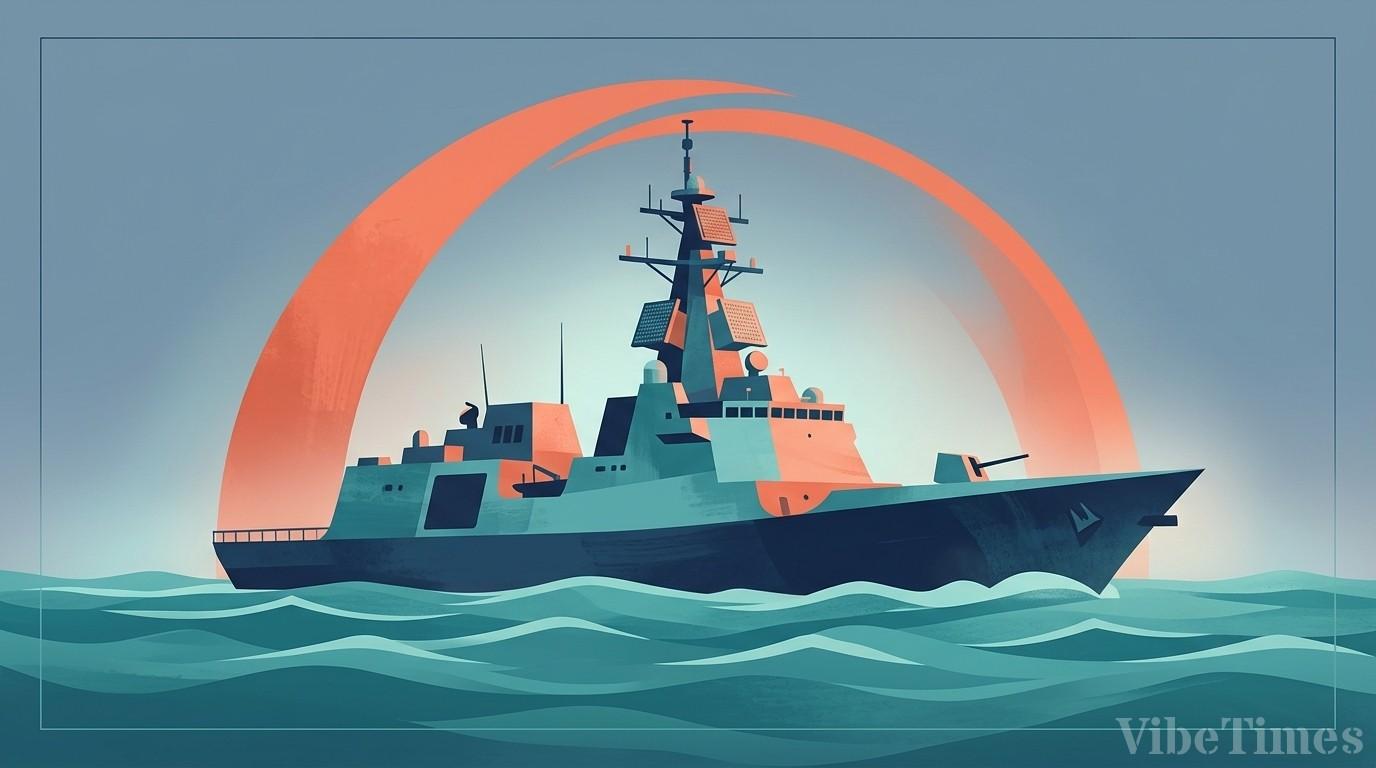
South Korea's next-generation KDDX destroyer, fitted with domestically developed core systems, is set to be built. The Navy plans to invest 7.8 trillion won to build six 7,000-ton KDDX vessels and operate them as the core strength of its Mobile Flotilla, the Navy's main force for open-ocean operations. Unlike existing Aegis destroyers, the KDDX will see key equipment—from the combat system, the ship's 'brain' that handles detection, assessment, and engagement all at once, to the multifunction phased-array radar (which rapidly scans a wide area simultaneously using radio waves), sonar (which detects submarines via underwater sound waves), and ship-to-air guided missiles (weapons that intercept enemy aircraft and missiles)—developed with domestic technology, securing an independent systems integration capability.
Naval News, a specialist outlet covering naval affairs, reported that the KDDX places a domestic dual-band radar inside its integrated mast (a tower consolidating radars, antennas, and other sensors) and operates domestic missiles through a Korean Vertical Launch System (KVLS). British military intelligence firm Jane's highlighted the destroyer's enhanced anti-air, anti-ship, and anti-submarine warfare capabilities alongside its high proportion of homegrown technology, and also took note of the development of the Korean ship-to-air missile (K-SAAM II), one of its key air-defense weapons.
The KDDX adopts an integrated electric propulsion system, which uses engine power to generate electricity to drive the ship's motors, allowing it to meet additional power demand from radars and other electronic equipment. Twelve LM2500+G4 gas turbines from GE Aerospace, the power source, will be supplied across all six vessels. Coupled with the integrated electric propulsion system, the turbines are credited with boosting fuel efficiency, operational flexibility, and power scalability.
Even the number six carries significance. The Navy's Mobile Flotilla demands surface forces capable of prolonged operations not only in waters around the Korean Peninsula but also in the open ocean. With multiple ships on hand, maintenance, training, and operational missions can rotate, enabling continuous force operations.
The program has not been entirely smooth sailing. Although basic design was completed at the end of 2023, controversy over the detailed design and the method of selecting the lead ship contractor, along with competition between bidders, delayed the schedule by about two years. Hanwha Ocean edged out HD Hyundai Heavy Industries by a margin of 0.5867 points in this year's competitive evaluation to be named prime contractor, and the Defense Acquisition Program Administration signed a contract with Hanwha Ocean on July 31 covering detailed design and construction of the lead ship.
Naval News assessed the transition to the detailed design and lead ship construction phase as an important turning point in the development of South Korean surface combatants. The lead ship is scheduled for delivery to the Navy in 2032, with the five follow-on vessels to be secured sequentially thereafter.
