32 Domestic Violence Protection Bills Lie Dormant in the National Assembly

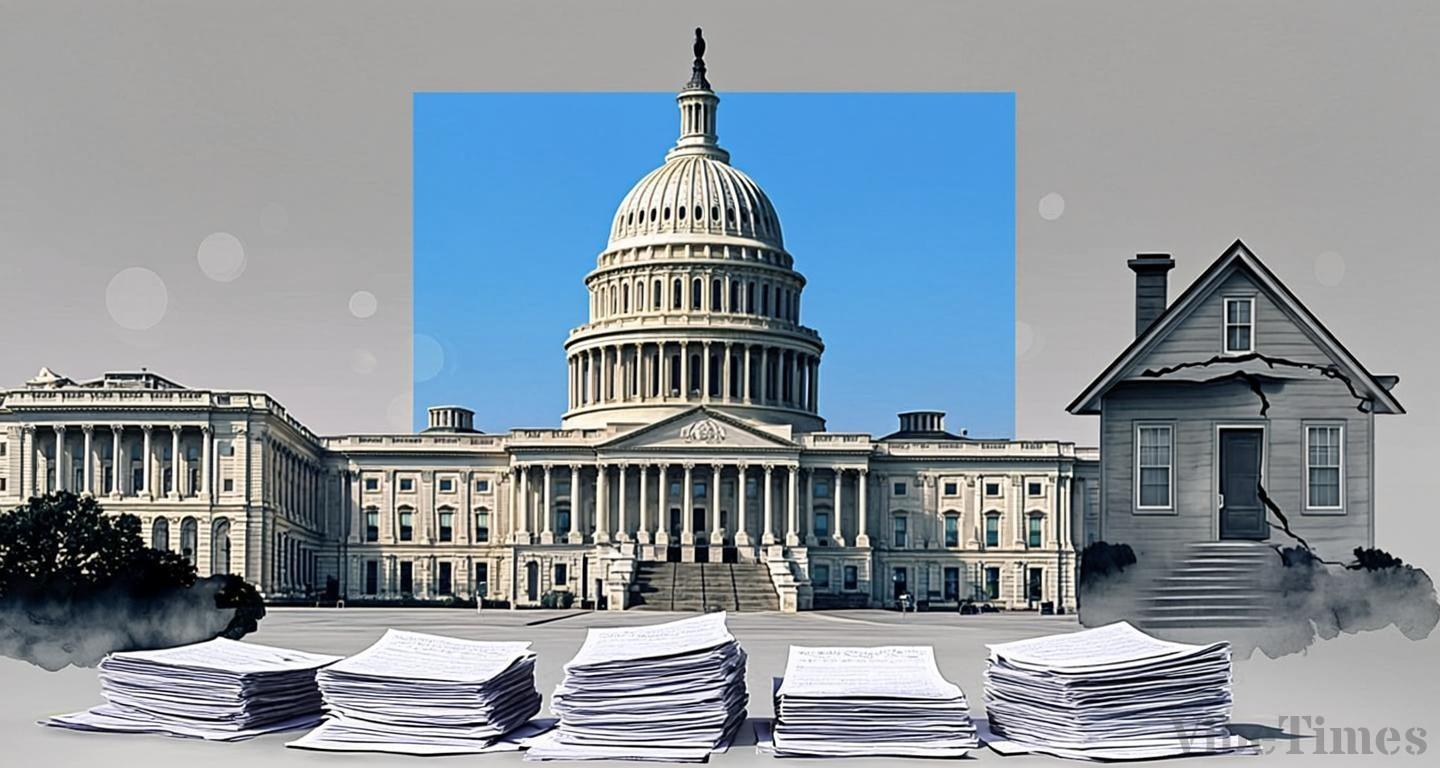
32 Bills Sleeping in the National Assembly
Every time a domestic violence tragedy makes headlines, the National Assembly calls for countermeasures — yet the number of protection bills currently pending stands at 32. According to a Yonhap News report, even as police review measures to strengthen the removal of perpetrators and protection of victims in the wake of a string of domestic violence cases, the related bills submitted to the Assembly have sat unprocessed for considerable periods. Critics have long pointed out that the current Act on the Punishment of Crimes of Domestic Violence lacks adequate mechanisms to protect victims in the early stages of an incident. Whenever a case is covered by the media, anger and promises of action pour out of the National Assembly — but once the session ends, bill review gets pushed aside, and the cycle repeats.
Core Provisions and Scope of the Bills
The pending bills fall broadly into three categories. The first is 'removal orders' that allow immediate separation of perpetrators from victims, along with expanded restraining order coverage. The second would legally mandate the expansion of victim protection facilities and temporary housing support. The third would introduce continuous monitoring tools such as electronic ankle bracelets for perpetrators at high risk of reoffending. The bills would apply to spouses, de facto partners, and direct relatives — in short, those covered by the current law's definition of 'family members.' Some bills go further, extending protection to former couples such as ex-boyfriends and ex-girlfriends, which is expected to become a point of contention during review.
Concerns from legal practitioners are specific as well. Song Ran-hee, co-chair of Korea Women's Hotline, told Yonhap News by phone that "because 'family preservation' is accepted as a purpose of the law, frontline workers hesitate to intervene strongly or punish perpetrators." She went on to argue, "The provisions on family preservation should be deleted." The criticism is that the legislative purpose stated in Article 1 of the current law — 'maintaining the peace and stability of the family' — has in practice served as a basis for prioritizing household preservation over victim protection. International organizations and domestic studies have repeatedly recommended that the purpose of domestic violence response laws be shifted toward centering victims' human rights.
The Contours of the Debate
Supporters cite the preventive effect. The standard analysis is that connecting protective orders to early intervention can reduce the rate of escalation into serious incidents. Skeptics, on the other hand, worry that excessive criminal justice intervention in family relationships could harm innocent people falsely accused by perpetrators. In particular, expanded restraining orders and electronic monitoring raise debates over potential abuse and evidentiary standards. The disagreement among legal experts and civic groups now hinges on the content of the bills themselves rather than on their sponsors or political parties.
Outlook and Challenges
Passing all 32 bills at once seems unlikely. The National Assembly typically bundles related bills into a single representative bill once a particular case galvanizes public opinion, then reviews it in the relevant committees, such as the Legislation and Judiciary Committee and the Committee on Gender Equality and Family. Whether to delete the 'family preservation' purpose clause is expected to emerge as the biggest sticking point. As Song pointed out, because the purpose clause shapes the direction of frontline enforcement, legislation that merely adds procedural mechanisms without amending it will find it hard to escape criticism of being ineffective.
In the end, speed is the key. Whether bill review gets on a proper track before the next tragedy hits the headlines will determine the fate of this legislation. Given that, while processing is delayed, the harm is recorded not as statistics but as individual cases with names, setting the Assembly's review schedule is more urgent than anything else.
