South Chungcheong Province Launches All-Out Push for 13.5 Trillion Won in National Funds

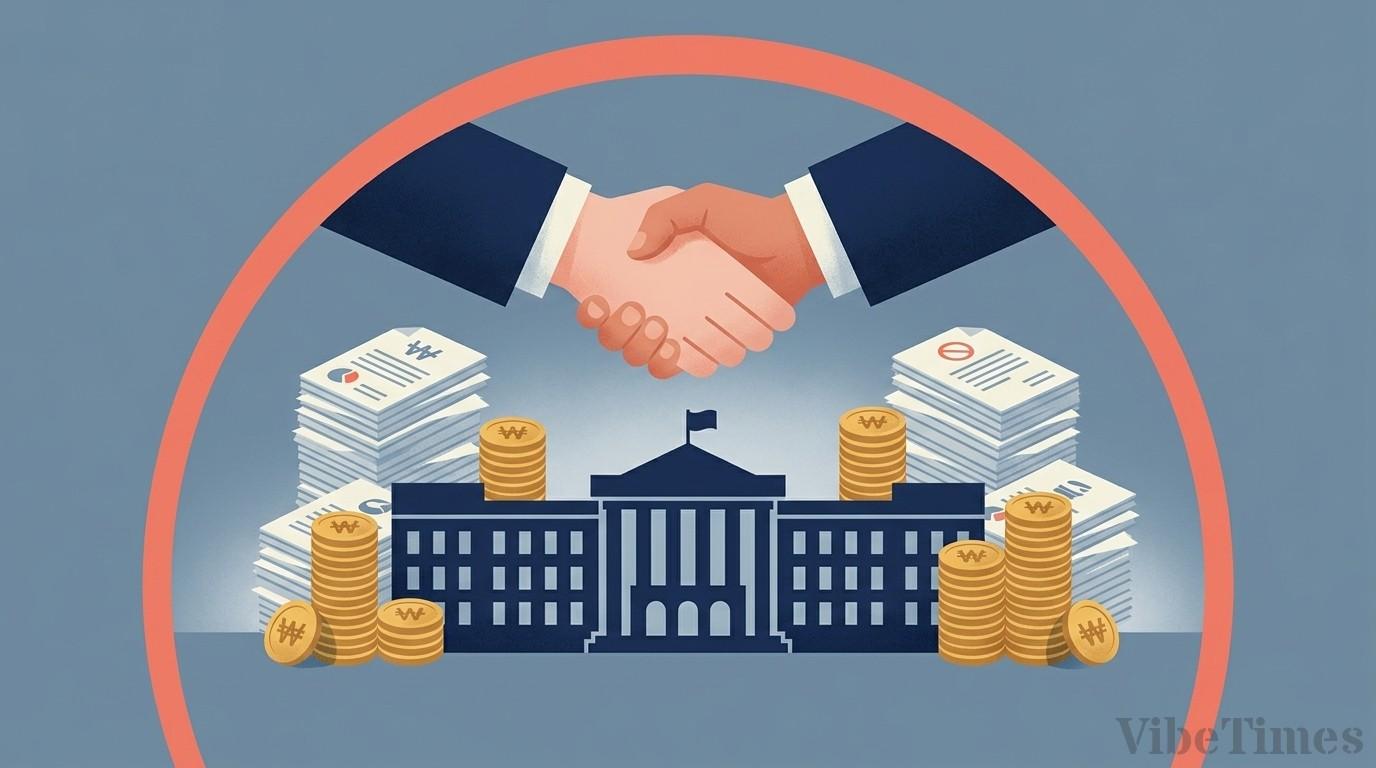
South Chungcheong Province's all-out campaign to secure 13.5 trillion won has pushed past the boundaries of local administration and into the heart of the national policy debate. The province has recently built a cooperative framework with the ruling party and moved to have its key projects reflected wholesale in next year's budget. The unusually large scale of the request for a single region, layered on top of the government's expansionary fiscal stance, has also fueled a growing dispute over the vehicle that would carry the funds.
A Regional Calculation Built on the Wave of Expansionary Fiscal Policy
President Lee Jae-myung's fiscal philosophy forms the backdrop to this episode. At a Cabinet meeting, the president called for a shift to a productive fiscal strategy, driving home the point:
"This is not the time to get bogged down in managing near-term fiscal figures."
It is read as a signal that securing the resources for growth will take precedence over fiscal soundness metrics. The government's inclusion of Arctic shipping route development among its 123 national policy tasks, and its push for the three flagship mega-projects as core agenda items, point in the same direction. In a meeting with the country's two major labor federations, President Lee reaffirmed his commitment to large-scale investment, calling the mega-projects "essential for strengthening national competitiveness."
South Chungcheong's demands have ridden atop this current. The goal is to secure 13.5 trillion won in national funding, and the cooperation with the ruling party takes the form not of project-by-project bargaining but of the party taking up the province's entire budget request at the party level. June's local elections, in which most metropolitan governments finished under ruling-party dominance, have also created fertile ground for closer alignment between the center and the regions. In the province's calculus, large-scale investment means jobs and an engine of population inflow.
The Oversight Debate Over the Future Response Fund
The sticking point is the vehicle for the money. The Future Response Fund, floated as an instrument of expansionary fiscal policy, has drawn charges that it would "erode local fiscal authority" and "weaken National Assembly oversight," with no shortage of voices urging a rethink.
Funds go through a different review process than the general account budget. Unlike spending that must clear annual budget deliberations, a fund, once established, enjoys considerable latitude in execution, and the National Assembly struggles to micromanage it line by line. The upside is that fiscal resources can be deployed swiftly when needed; the core of the criticism, however, is that accountability for spending grows murky. Its interplay with local finances is another problem. If local governments must conform to the purposes and conditions the central government sets for the fund, their room to design their own projects narrows accordingly.
Layering the 13.5 trillion won request onto this structure deepens the dilemma. Secured funding would clearly give the regional economy room to breathe, but the question of what procedures and controls govern how that money is spent is a separate one. To the extent the region gains certainty, the National Assembly's review function may weaken in equal measure.
Ripples Through the Construction and Infrastructure Markets
The market sits between expectation and caution. The received wisdom among investors is that when funding flows into social overhead capital (SOC) such as roads and railways and into national projects, order books swell for construction firms and the equipment and materials industries. The same logic governs the path from regional construction investment to employment. Given that the two major labor federations pin their hopes for the mega-projects on job creation, the investment's ripple effects stand a strong chance of spreading across entire industries.
That said, the fact that the money takes the form of a fund acts as a variable. With the timing and pace of execution left to government policy judgment, the predictability of orders could suffer. Should priorities be adjusted or execution delayed, the growth effects the market expects could be halved.
The Battleground Moves to the National Assembly
The stage now shifts to the National Assembly. During budget review, calls to refine the design of the Future Response Fund are expected to collide head-on with the government's expansionary fiscal policy. Alternatives such as converting part of the fund into the general account or strengthening the Assembly's consent procedures are likely to surface. For the ruling party and South Chungcheong Province, the crux is defending the backbone of core projects even if the requested sum is trimmed.
Political calculations compound the mix. In a period of sliding approval ratings, large-scale investment and expansionary spending are tangible achievements capable of rallying public sentiment. The same calculus can be read in the president's reiteration of the need for the mega-projects even in his meeting with the labor federations. Whether the 13.5 trillion won lands intact in the region's column or gets reworked in Assembly review will likely become clear during this fall's National Assembly audit and the year-end budget negotiations.