Presidential Office Acknowledges U.S. Demand for Semiconductor Investment as Reality

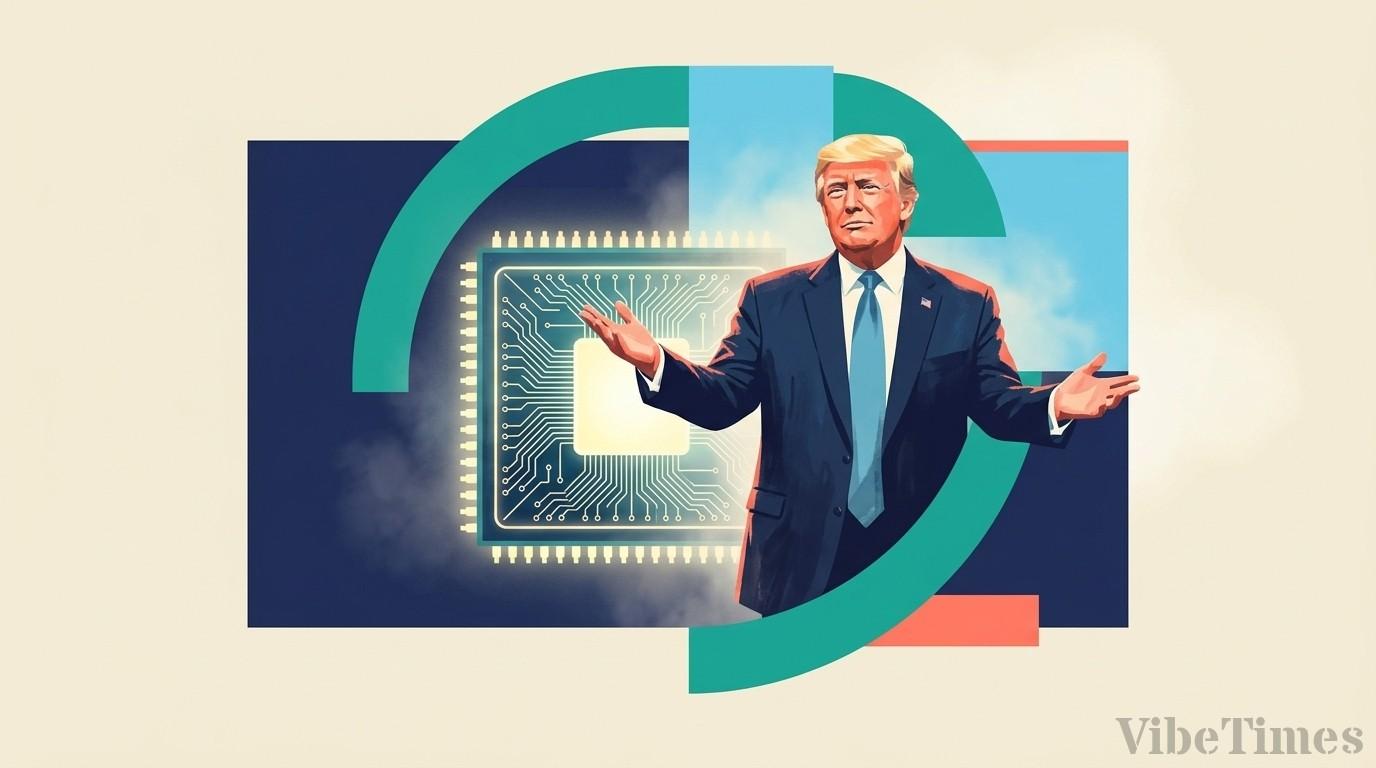
The Presidential Office has officially confirmed that the U.S. demand for semiconductor investment in South Korea–U.S. negotiations is fact. The method and scale of the investment, however, have yet to be determined, and it remains unclear whether it is separate from the already agreed $200 billion (about 280 trillion won) investment in the United States. Last-minute negotiations are in full swing ahead of the selection of U.S. investment projects in September. Specific details of the demand have not been made public. U.S. President Donald Trump has also suggested that companies that build semiconductor manufacturing facilities in the United States would receive tariff relief, while those that do not would have to pay tariffs.
Washington wants the large-scale capital to translate into domestic production, jobs, and expanded supply chains. For South Korean companies, the enormous sums involved mean that investment returns and the commercial viability of the projects hang in the balance. In particular, the $200 billion investment memorandum of understanding with the U.S. stipulates that an umbrella-type special purpose vehicle (SPV) managing strategic investments would be managed and controlled by the United States or an entity it designates, and individual projects also mention a separate SPV to be wholly owned by the U.S.
Amid this, U.S. pressure in the final stretch of negotiations appears to be spilling over from economics and trade into the realms of diplomacy and security. In an interview with a media outlet on the 30th of last month, President Trump claimed that South Korea had refused a request for support related to Iran and, citing the size of the U.S. military presence in South Korea, said, "Remember that." U.S. Commerce Secretary Howard Lutnick also foreshadowed a "targeted and deliberate tariff policy" on semiconductors.
The Alaska liquefied natural gas (LNG) project has also returned to the negotiating table. On the 2nd, President Trump explicitly named South Korea and Japan, suggesting that the two countries are involved in projects in Alaska such as fuel and oil transportation and pipeline construction. The project is one that the Trump administration has repeatedly emphasized in connection with South Korean and Japanese investment commitments in the United States.
Lawmakers on the Democratic Party of Korea's Finance and Economic Planning Committee and its Trade, Industry, Energy, SMEs and Startups Committee are set to hold a closed-door party-government consultative meeting at the National Assembly on the morning of the 7th, where the Ministry of Trade, Industry and Energy will brief them on the U.S. investment negotiations. Negotiating officials, including Park Jeong-seong, head of the ministry's Trade Negotiation Headquarters, are expected to attend.