Sodium Batteries Emerge as AI Power Demand Surges

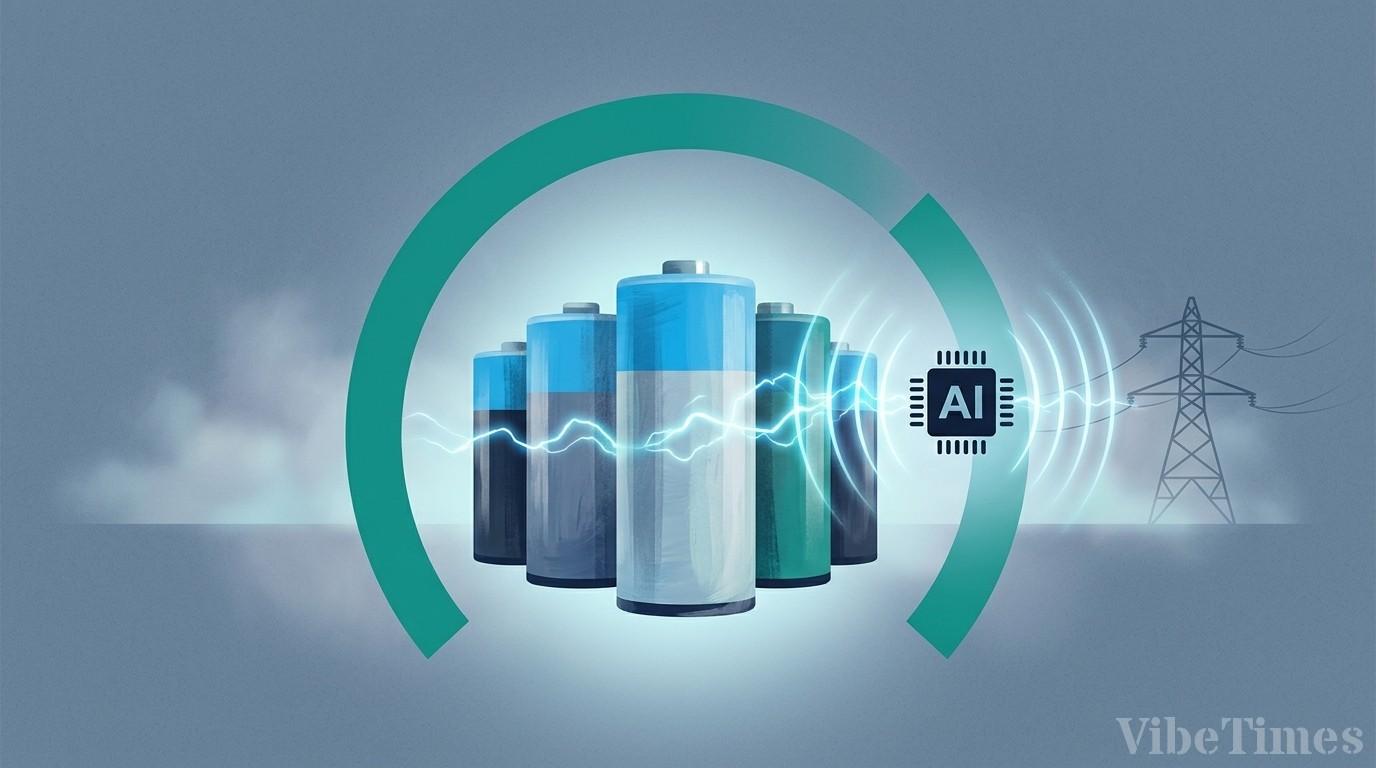
Amid a surge in power demand driven by advances in artificial intelligence (AI), sodium-ion batteries are drawing attention as a next-generation battery to support it. Compared with conventional lithium-ion batteries (the standard type used in electric vehicles, smartphones, and similar devices), sodium-ion batteries can reduce reliance on key raw materials, offering an alternative that addresses raw material price volatility and supply chain risks (the risk of supply disruptions).
On July 16, LG Energy Solution built a mother line for sodium-ion batteries at its Ochang Energy Plant, replicating the actual mass-production process. Starting next year, the company will conduct proof of concept (PoC) trials with global customers and demonstrations tied to grid-connected energy storage systems (ESS). Production will employ the 'Advanced Z-Stacking (AZS)' method, a technique first applied at HLI Green Power, an Indonesian joint venture with Hyundai Motor Group formed in 2024, and since extended to HL-GA, a joint venture in the United States.
Samsung SDI has joined the race as well. After stating in its first-half report released on the 14th of last month that it was broadening its business into batteries for robots, humanoids, and space and aviation applications, the company explicitly noted in its business report filed on the 19th that it is pursuing mass production of sodium-ion batteries. It plans to repurpose a plant originally built for EV batteries into an ESS production facility, where it will produce sodium-ion batteries at a lower unit cost than lithium iron phosphate (LFP).
POSCO Group's newsroom said on the 19th of last month that sodium-ion batteries "are gaining attention as a core element of power infrastructure in the AI era, with the related market continuing to grow." According to the newsroom, Morgan Stanley projected that annual sodium-ion battery adoption will reach 2,473 GWh by 2035, and could climb to 3,726 GWh if market expansion outpaces expectations. It also noted that cumulative investment spanning ESS installation, manufacturing facilities, materials supply chains, and grid infrastructure could reach roughly $800 billion.
That said, Morgan Stanley assessed that while sodium-ion batteries hold strong market potential, they are unlikely to replace LFP batteries in the short term. In ESS projects, which are already built on LFP and where a long-term operating track record is critical, LFP, with its price competitiveness and mass-production experience, is expected to maintain its leading position for the time being. Sodium-ion batteries are in a phase of gradually expanding their footprint, starting with ESS and commercial vehicle markets where price, safety, and low-temperature performance matter most.
