Bills Splitting Prosecutorial Powers, Once United in One Body, Set to Pass on the 17th

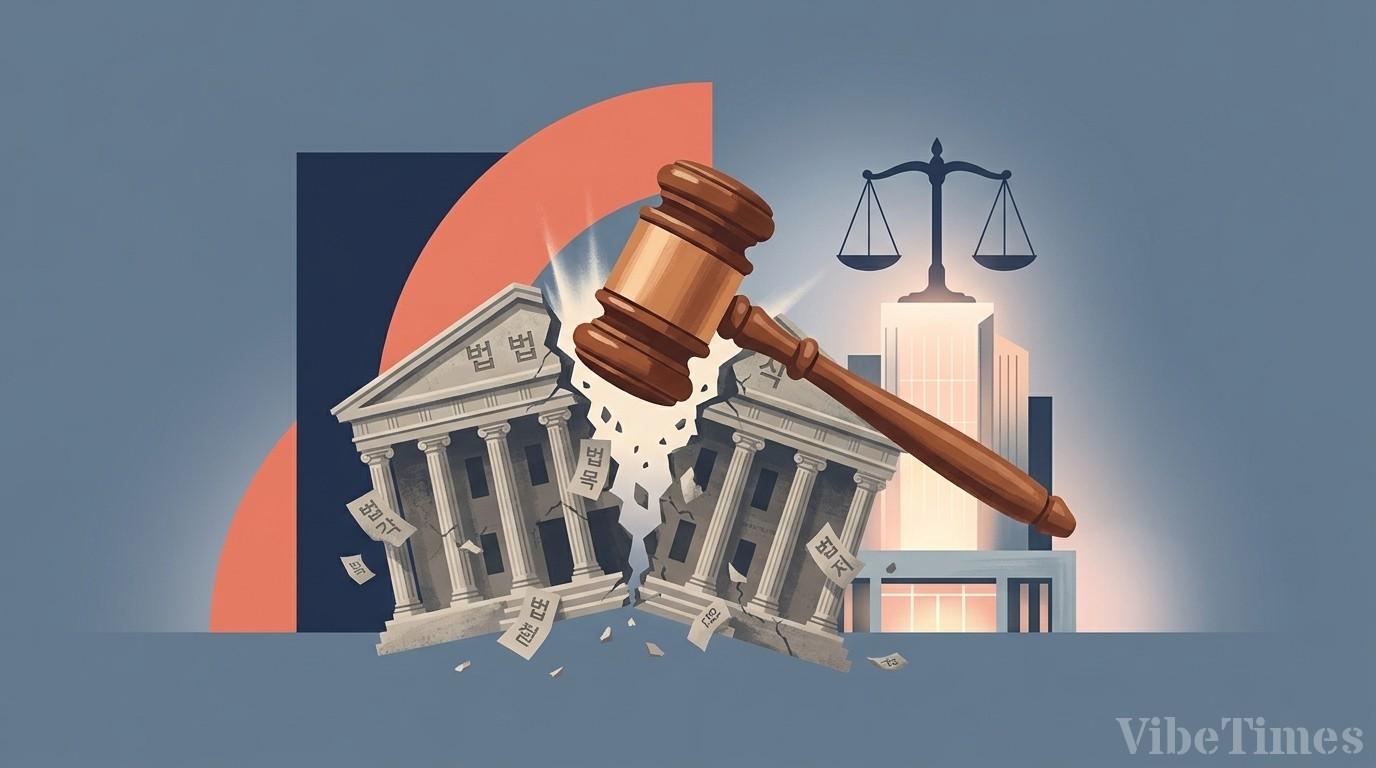
Bills completing the dismantling of the prosecution service will clear the threshold of the National Assembly all at once on the 17th. With the abolition of the Prosecutors' Office and the launch of the Serious Crime Investigation Agency and the Public Prosecution Office scheduled for the 2nd of next month, the ruling and opposition parties have agreed to push through essential follow-up legislation in a single package at that day's plenary session. The People Power Party has also consented to the passage. According to Yonhap News, the bills to be tabled include acts on the Serious Crime Investigation Agency and the Public Prosecution Office, along with an amendment to the Criminal Procedure Act. With roughly two weeks left before the launch, it is the final legislative step to complete the institutional linkages.
Prosecution Dismantling Completed Through Separation of Investigation and Indictment
Behind this legislation lies the separation of investigative and indicting powers, a long-standing task of prosecution reform. The argument that concentrating authority in a single institution heightens the risk of abuse has long served as the starting point of the institutional design. The Serious Crime Investigation Agency and the Public Prosecution Office are the fruit of that discussion. The two parties have entered the stage of refining operating rules on top of the core bills, and in the process won the consent of the People Power Party. The opposition, which has opposed dismantling the prosecution, is interpreted as having decided to join the follow-up legislation on the judgment that, now that the launch schedule is fixed in law, preventing implementation chaos comes first.
Investigations to the Serious Crime Investigation Agency, Prosecutions to the Public Prosecution Office
The backbone of the bills is splitting the powers the prosecution has long held into two. The Serious Crime Investigation Agency will take exclusive charge of investigating serious crimes such as corruption and economic offenses. The Public Prosecution Office will handle public prosecutions—requesting trials before the courts on the basis of investigation results—in plain terms, the work of indicting and seeing cases through trial. The Criminal Procedure Act amendment is reported to apportion procedural powers long tied to prosecutors between the two agencies. The current prosecution organization will be dismantled and transferred according to function, and personnel will likewise be divided into investigation and prosecution staff and move to their new posts. Since the police already handle much of the investigation of ordinary cases, the state's investigative apparatus will be organized into a two-track structure under the new system.
Controversy Over Public Prosecution Office Organizational Plan, Shape Emerging After Revision Talks
The road to agreement was not smooth. Controversy flared over the organizational plan setting the Public Prosecution Office's departments and staffing. Minister of the Interior and Safety Yoon Ho-jung said on the 9th that a revised plan was being discussed with the Ministry of Justice and that, if necessary, a fresh pre-legislative notice would be issued. He added that sufficient explanations would be heard at the National Assembly.
“As I understand it, there is no problem with the basic philosophy behind the current prosecution reform, and beyond that, the protection of the people's human rights and the realization of social justice.” — Yoon Ho-jung, Minister of the Interior and Safety
An organizational plan is the regulation that fixes a government agency's departmental composition and assigned personnel. For a newly established agency to open its doors, the law and the organizational plan must mesh, and some observed that the controversy could throw the schedule off track. Even so, the principle of handling all the bills together on the 17th stands. What remains is that if the organizational plan is revised, the size of the organization and the allocation of personnel may differ from the original proposal.
Remaining Schedule and Implementation Tasks
Once the bills clear the vote on the 17th, the legislative groundwork will be effectively complete. On the 2nd of next month, the Prosecutors' Office will close its doors as the Serious Crime Investigation Agency and the Public Prosecution Office are launched. The most urgent task is arranging handover procedures so that ongoing investigations and trials are not shaken during the transition. Whether the Public Prosecution Office organizational plan will undergo a fresh pre-legislative notice is also expected to be settled within the same period. Keeping the chain from investigation to indictment free of gaps is expected to be the first test of the new system.