Aftermarket Expanded to All Stocks, Excluding ETFs and ETNs

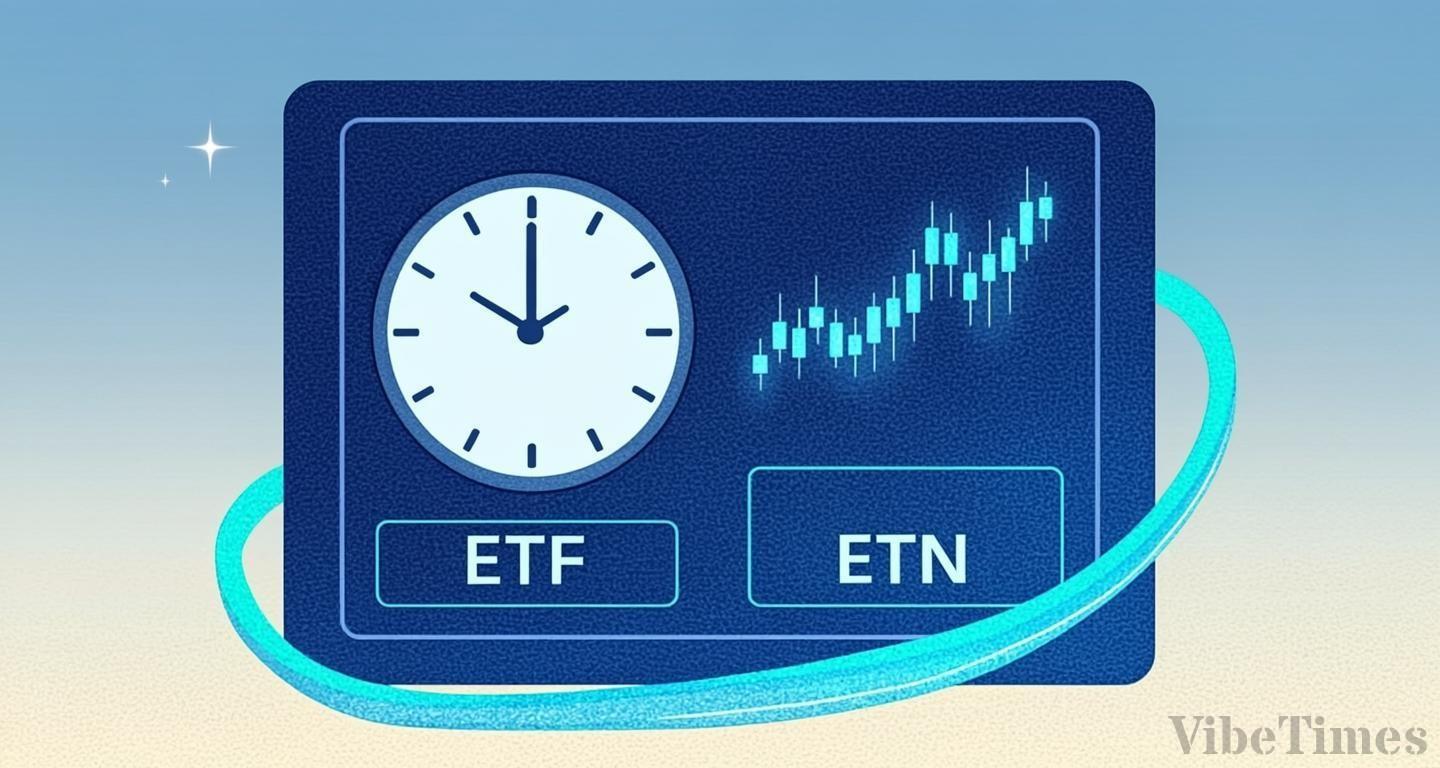
The Korea Exchange will open its extended-hours trading system, the "aftermarket," allowing stock purchases and sales from 4 p.m. to 8 p.m. starting on the 14th. This marks the first overhaul of market operating hours in a decade since 2016, when regular trading hours were extended by 30 minutes; the regular session will remain 9 a.m. to 3:30 p.m.
Taking volatility into account, the eligible universe covers all KOSPI and KOSDAQ stocks except indirectly traded products such as exchange-traded funds (ETFs) and exchange-traded notes (ETNs). Stocks unavailable for trading on Nextrade, the alternative trading venue, can also be traded on the exchange's aftermarket. As of the 11th, there were 943 KOSPI-listed and 1,823 KOSDAQ-listed stocks, totaling 2,766.
After the regular session closes, off-hours closing-price trading runs for 30 minutes from 3:30 p.m., and from 4 p.m. orders are matched in real time. The trading method is also changing. The existing "off-hours single price" system, which collected and matched orders in 10-minute intervals from 4 p.m. to 6 p.m., will be abolished. Instead, a continuous matching system will be introduced, in which buy and sell orders are executed immediately when prices meet, as in the regular session.
The daily price limits will also be expanded, meaning stocks could hit their upper or lower limits even during the evening session. However, the KOSPI index will still be calculated based on the 3:30 p.m. closing time, as before.
Concerns have been raised that the aftermarket's lower liquidity compared to the regular session could cause sharp price swings or trades executed at abnormal prices. Lee Joon-seo, a professor of business administration at Dongguk University, said, "Because liquidity in the aftermarket is lower than in the regular session, sudden events or breaking news could amplify price herding," adding, "Investors should trade cautiously, using limit orders to guard against potential system outages in the early stages."
Starting with this aftermarket, the Korea Exchange plans to consider further extensions of trading hours, including a pre-market session.