Distrust of Police Sends Koreans in Their 20s and 30s Home Before 9 p.m.

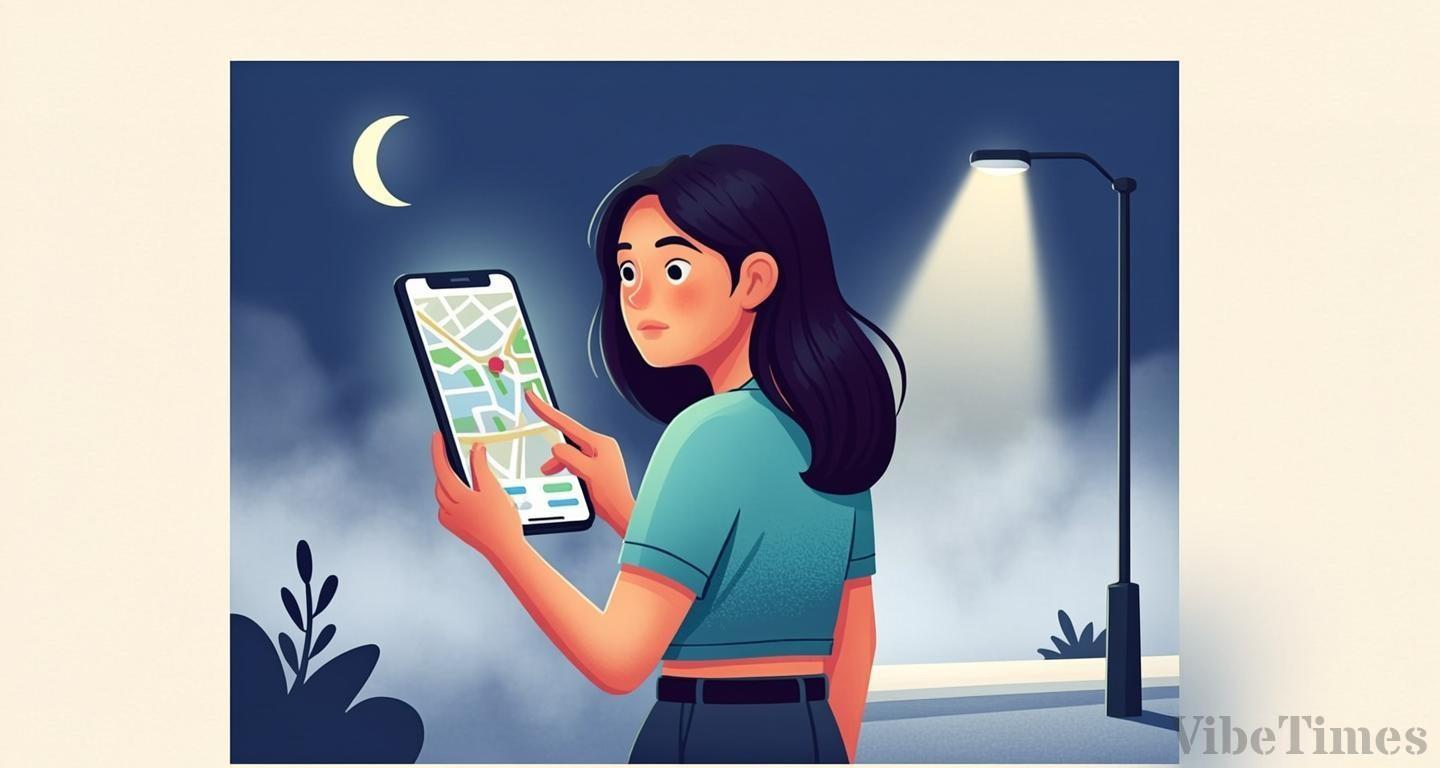
As distrust grows over the police's ability to investigate properly, fear of violent crimes such as abduction and murder is spreading among women in their 20s and 30s, prompting moves to protect themselves, such as getting home before 9 p.m. Han, a 23-year-old university student living alone in Mapo District, Seoul, used to study at school late into the night and return home alone—until recently. These days, even when she has plans, she tries to be home before 9 p.m., and if she runs later, she asks a friend to walk her to her door. She has also installed the 'Sexual Offender Alert e' app, which shows the locations of registered sex offenders nearby. "The fear that crimes I used to see only on the news could happen to me has suddenly grown," Han said. "My parents in Yongin often call asking 'Where are you?' and 'Are you home yet?' and my friends frequently talk about falling victim to crime."
One of the coping methods circulating in these posts is the 'knock-knock 112 emergency trick.' In a crisis where speaking is difficult, you call 112 and silently press any number twice; the police then send you a link. The moment the victim opens the link, the camera turns on automatically and the location is transmitted to the police. Tips for identifying legitimate taxis were also shared. Under current law, commercial vehicle plates for taxis and buses must contain one of the characters 'a, ba, sa, or ja,' so a plate lacking these characters suggests the vehicle may be used for crime or is an illegal unlicensed cab. Posts offering 'countermeasures for abduction scenarios' advised, "Resist to the end so you are not taken to another location," and "Leave as much evidence as possible, such as the perpetrator's hair or skin."
There is a statistical basis for this anxiety. According to National Police Agency statistics, female crime victims rose from 406,593 in 2021 to 473,580 in 2024, an increase of 16.5 percent over three years. The share of women among murder victims also climbed over the same period, from 40.9 percent (269) to 43.5 percent (336).
The problem is that unverified rumors are piling on top of this anxiety. Last month, after four people reported missing on Jeju Island were found dead one after another over three days, a 'Jeju missing persons map' marking the victims' locations spread on social media, accompanied by unverified comments alleging involvement by organ trafficking rings or Chinese criminal organizations. Videos of unknown origin are also circulating as purported 'new abduction methods.' A dashcam video posted on social media on the 8th showed an elderly woman asking a driver for help, along with claims that a gang uses grandmothers as bait to ambush and abduct people from behind—but the claims remain unverified. Posts warning people not to rush to help someone who collapses and calls for assistance also spread rapidly.
Some experts have analyzed the mechanics behind the spread of these rumors. Lee Woong-hyuk, a professor of police administration at Konkuk University, said, "As violent crimes and criminal methods reported in the media travel across YouTube, blogs, and social media, unverified speculation gets added along the way, fueling the spread of rumors."
The debate over restructuring the investigation system has compounded the anxiety. Heo Min-sook, a legislative researcher at the National Assembly Research Service, said, "Distrust toward the police—which will effectively monopolize investigative authority after October—for failing to respond proactively to crimes against women has further deepened the anxiety and fear among women in their 20s and 30s."