Sept. 14 Legislative Report: Rep. So Young-ho's Dual Role on Budget and Education Committees

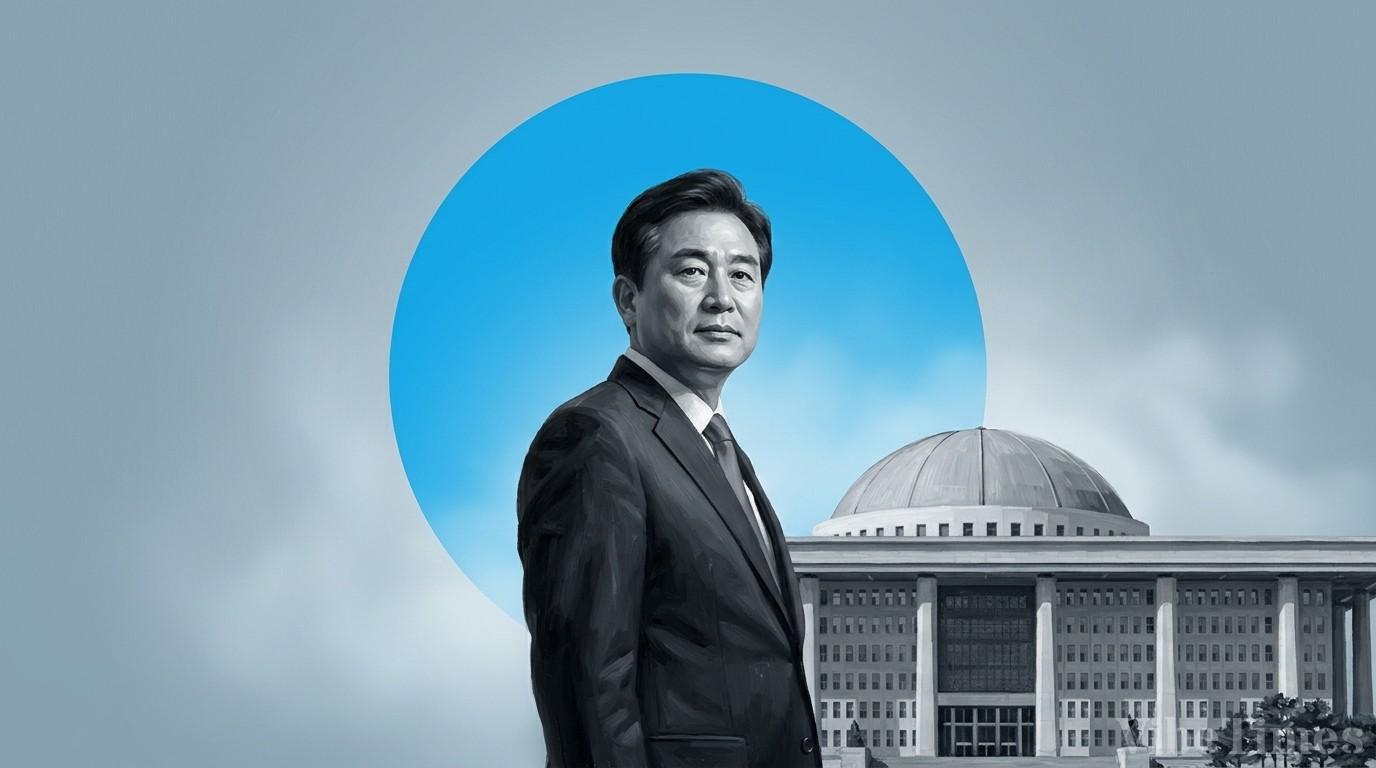
Democratic Party of Korea Rep. So Young-ho has taken on simultaneous roles on the Special Committee on Budget and Accounts and the Education Committee, placing himself at the legislative frontline where money and learning converge.
According to the National Assembly's open information system (OPEN assembly), Rep. So is serving as a member of the Special Committee on Budget and Accounts in the 22nd National Assembly, participating in the review of the state budget and the examination of settlement accounts. At the same time, he belongs to the standing Education Committee, where he handles the review of education-related bills and policies. The Budget and Accounts Committee is a special committee that operates intensively during regular National Assembly sessions, so dual membership with a standing committee is somewhat structurally established. Still, given that both committees are arenas where sensitive budget allocations and political issues intertwine, Rep. So's scope of activity is far from small.
Why the Budget Committee and Education Committee Combination Draws Attention
Education is a core pillar of government spending, with tens of trillions of won flowing through it annually. Handling bills on the Education Committee while reviewing budgets on the Budget and Accounts Committee means a single lawmaker can simultaneously oversee policy design and funding procurement. For example, projects such as school facility investment or teacher-related budgets are not completed by legislation alone; they gain real effect only when reflected in the budget. Dual committee membership is interpreted as a position that allows internal coordination of this linkage.
The same pattern is seen in the Rebuilding Korea Party. According to OPEN assembly, Reps. Jeon Seong-bae, Jeon Ui-san, Han Do-sol, Kwon Oh-sung, Park Wang-yeol, Heo Kyung-min, and Han Seung-hyuk all simultaneously belong to both the Budget and Accounts Committee and the Education Committee. The notably high proportion of one party's seats allocated to the education and budget committees shows that both the majority and opposition parties place next year's budget review and education reform legislation at the top of their state affairs agenda. In fact, the National Assembly recently saw ruling and opposition parties clash over teacher rights protection and essential medical care during interpellation sessions on education, social affairs, and culture.
Committee Activity Interlocking With the Regular Session Schedule
National Assembly Speaker Cho Jung-sik stated at a press conference marking his first 100 days in office that he would ensure the seamless handling of livelihood bills and the budget bill during the regular session. The regular session is the period when Budget and Accounts Committee activity is most intense. Lawmakers on the committee, including Rep. So, will simultaneously review next year's budget bill, conduct government inspections, and examine settlement accounts.
Legislative activity is also moving fast. People Power Party Rep. Jin Jong-oh introduced a bill to prevent post-retirement favors for civil servants ahead of the launch of the Corruption Investigation Office for High-ranking Officials, and Rebuilding Korea Party Rep. Jeon Seong-bae is reported to have sponsored a revision to the Public Official Election Act. As bills continue to be introduced across party lines, committees serve as the first gateway determining whether such bills pass.
Party-Line Defection Votes Reveal the Legislative Landscape
Recent plenary vote results also expose political fissures beyond the committees. On a partial revision to the Itaewon disaster special act passed on September 3, People Power Party Reps. Joo Ho-young, Kim Jang-kyom, Lee Jong-wook, and Kang Seung-kyu voted against the bill, breaking from the party line. On the National Intelligence Service Act revision passed the same day, Democratic Party Reps. Moon Jeong-bok, Seo Mi-hwa, and Jeon Jin-sook sided with the opposition.
There were larger defections as well. In the August 20 vote on the National Pension Act revision (substitute bill), nine People Power Party members voted against it, and the same day, a revision to the May 18-related compensation bill split sharply, with 14 in favor and 6 opposed. Eight members also broke from the party line on the Agricultural and Fisheries Councils bill (substitute bill). The tally of 35 in favor and 8 against did not affect passage, but it illustrates a structure in which the interests of regionally based lawmakers directly intrude into bill review.
Amid these dynamics, the Budget and Accounts Committee and the Education Committee become frontlines of intra-party coordination, not mere review bodies. As Rep. Joo Ho-young cast a defection vote on the National Pension Act, the more a bill involves budget and distribution, the greater the likelihood that individual lawmakers' calculations will take precedence over the party line. The two committees Rep. So sits on are also expected to experience similar tensions as next year's budget bill and education funding measures come up.
Outlook Ahead
With budget processing remaining the key task through year's end under the regular session schedule, the influence and negotiating power of Budget and Accounts Committee members are expected to grow for the time being. In education, demands for low-birthrate countermeasures and reviews of local education finances are being raised simultaneously, making it likely that the Education Committee's bill review will proceed in tandem with budget deliberations. The key question will be what legislative results Rep. So's dual membership produces at the point where these two currents intersect.