PPP Protests Over Kim Seung-won's Remarks on Reviewing Dissolution of the Party

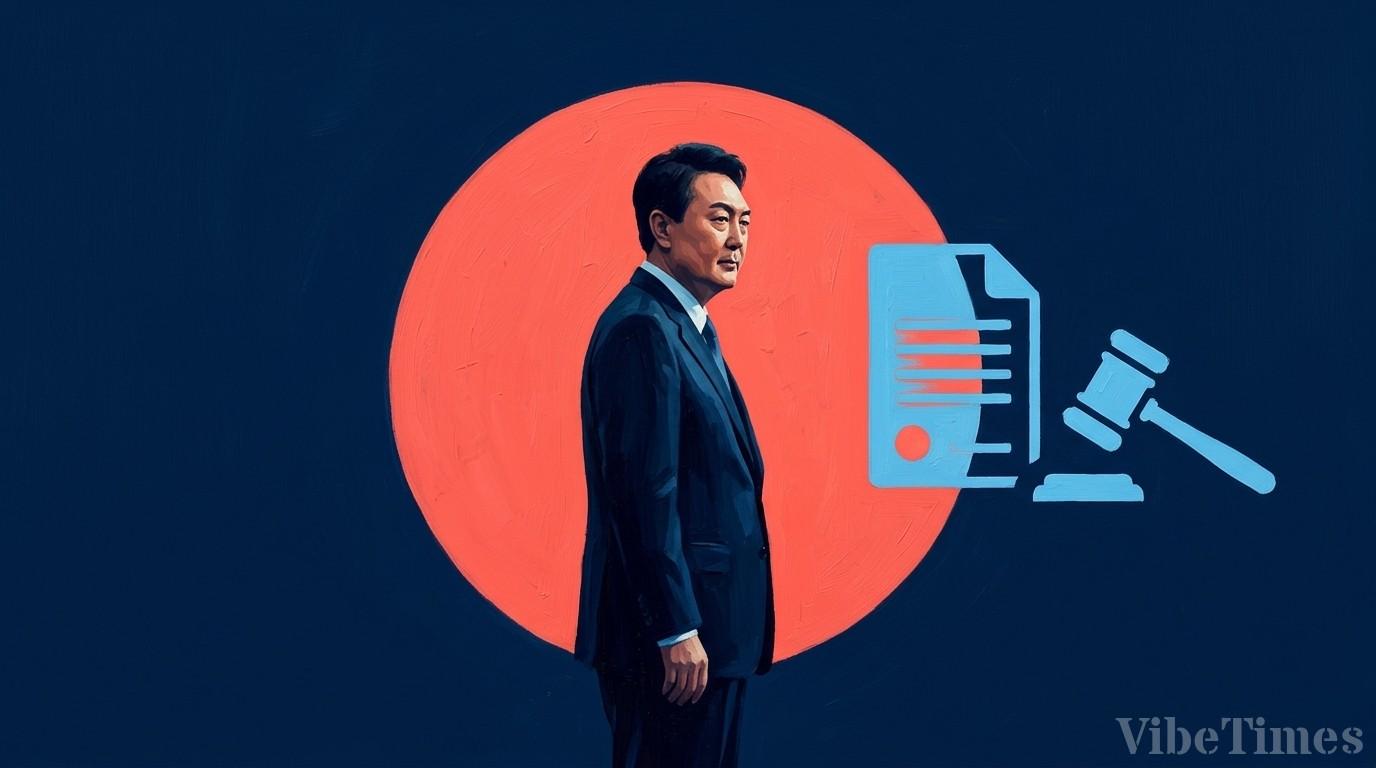
Kim Seung-won's Remarks on "Reviewing Dissolution of the PPP" Set the Confirmation Hearing Ablaze
The ruling party's justice minister nominee weighed in on the very existence of the opposition. With People Power Party Rep. Kim Seung-won nominated as justice minister, his remarks to the effect that he would "review the requirements for dissolving the People Power Party" have thrown the political world into turmoil. The PPP immediately pushed back, calling it "the pot calling the kettle black." Observers note it is highly unusual for the head of the justice ministry to publicly raise the possibility of dissolving a particular political party.
Dissolution rulings are a system under which the Constitutional Court orders a party dissolved when its purposes or activities violate the democratic basic order. The Unified Progressive Party remains the only party actually dissolved in South Korean history. The controversy centers on the fact that a ruling-party lawmaker — and a person set to lead the Justice Ministry — publicly mentioned such a weighty constitutional process as an object of review. The PPP countered that it amounts to an attempt at unconstitutional political persecution. PPP spokesperson Cho Yong-sul has also escalated the offensive, decrying the "collapse of security and rule of law under the Lee Jae-myung administration."
Battle of Narratives Over a Special Prosecutor's Power to Withdraw Indictments
Another flashpoint that emerged ahead of the hearing is the special prosecutor's authority to withdraw indictments in cases involving President Lee Jae-myung. Kim, the nominee, is known to oppose granting such power to the special prosecutor. The opposition suspects this position would effectively leave the door open to shutting down investigations targeting the president. Meanwhile, some in the ruling camp argue that giving a special prosecutor both the power to indict and to withdraw indictments would actually amount to excessive authority.
The situation instantly escalated into political warfare. The opposition raised claims of a "targeted witch-hunt" against Kim, while former PPP leader Han Dong-hoon shot back, "Why target a nobody for appointment?" — with the two sides clashing over competing frames. With former employment and labor minister nominee Yong Hye-in voluntarily stepping down just 14 days after her nomination, marking the fourth withdrawn appointment of the current administration, speculation is growing over whether Kim can survive the process. This comes amid an atmosphere in which second-term Cabinet nominees, including Lee Hyung-il for SMEs ministry nominee and Lee So-young nominee, are being subjected to microscopic scrutiny one after another.
Why Personnel Vetting Matters Amid Falling Approval Ratings
An analysis that the backdrop of this firestorm is President Lee's declining approval ratings is gaining traction. The sense of crisis within the ruling camp is palpable — Democratic Party Rep. Lee Kwang-jae went so far as to describe the approval situation as "an orange light just moments before it turns red." Prime Minister Kim Min-seok has attributed the decline to the defection of centrist voters and infighting within the party. In such a climate, the nominee's controversial remarks could further accelerate the loss of centrist support.
The structural problems in Cabinet personnel vetting must also be examined. The fact that 18 of the 25 confirmation hearings for Cabinet nominees of the Lee Jae-myung government were held with "zero witnesses" is frequently cited as evidence that hearings have failed to serve as genuine vetting. President Lee's orders for additional vetting of Kim Ji-yong, nominee to head the Serious Crime Investigation Office, and for revisions to the proposal for its organizational structure are read as follow-up measures to fill the vetting gap. The Rebuilding Korea Party's call for a fresh nomination for the post stems from the same logic.
The Hearing's Outcome Could Shape the Political Landscape
Whether the motion approving Kim's appointment passes depends on the balance of power between the ruling and opposition parties. Given the ruling party's parliamentary majority, passage itself does not appear difficult, but if further controversy erupts during the hearing process, pressure to resign could become a reality, as in Yong Hye-in's case. In particular, the party dissolution remarks are expected to serve as a litmus test of the justice minister nominee's political neutrality.
Mark Twain said that when in doubt, tell the truth. That is ultimately what the confirmation hearing demands. If Kim cannot convincingly explain the true intent behind his party dissolution remarks and the rationale for opposing the special prosecutor's power to withdraw indictments, the appointment controversy risks spreading into a question of trust in the entire government. Conversely, if the issues are clearly resolved, it could serve as a springboard to accelerate President Lee's prosecution reform roadmap. That is how weighty the stakes of personnel vetting are.