Robotaxis Are Already Taking the Wheel in US Cities

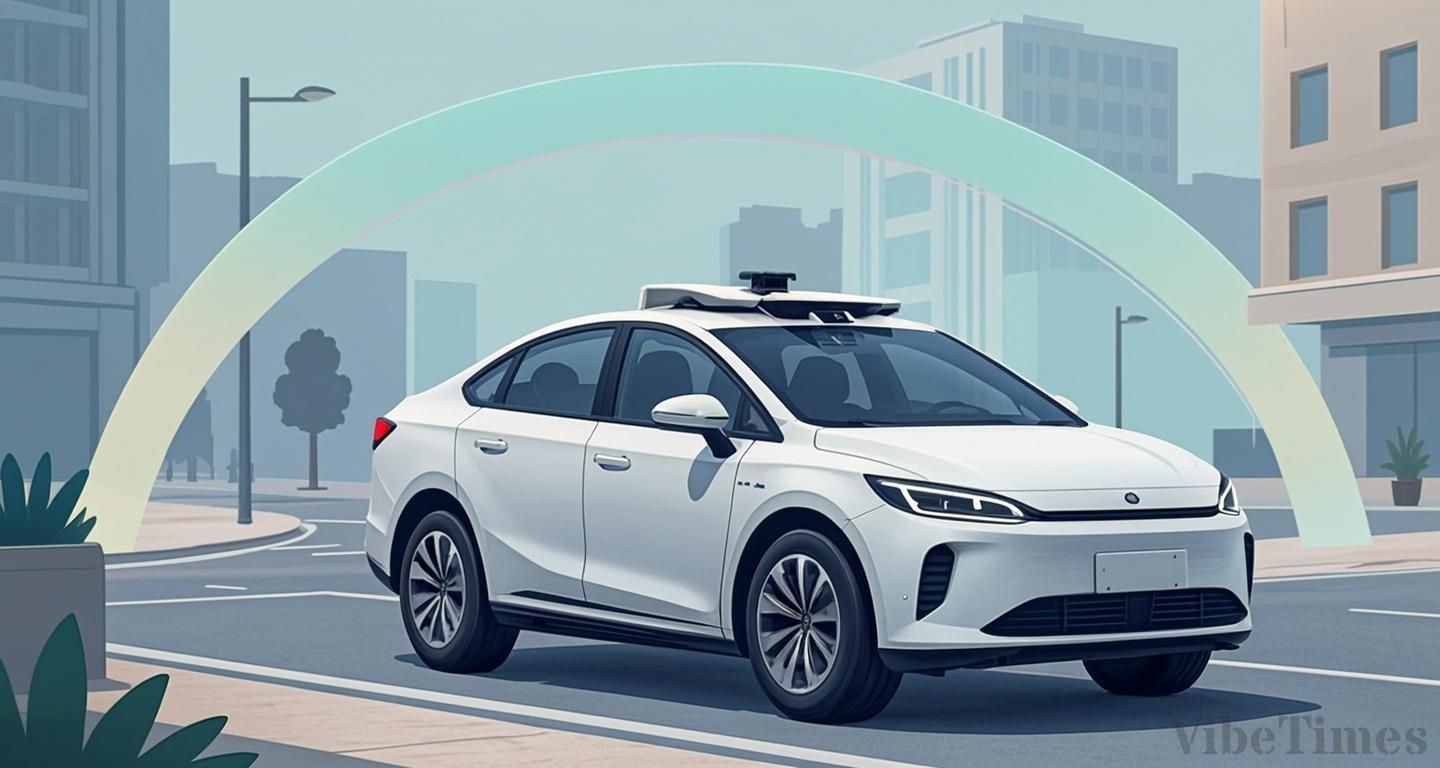
A driverless Tesla robotaxi is carrying passengers through Dallas, Texas. The robotaxi recognizes its surroundings with cameras and sensors and drives itself; the reporter felt little anxiety even when the vehicle changed lanes during his ride.
Comparing a trip that started from the same location and covered the 10-minute drive to a library, one driven by the reporter and one by the robotaxi, there was little difference in travel time. The price, however, was another matter. Traveling the same route by Uber showed that the driverless taxi fare was about 36% cheaper than Uber's.
Gwen, an Uber driver in Dallas, said, "Robotaxis may replace us someday, but some people prefer the traditional way, so it's fine. We're still in the testing stage."
Tesla robotaxis are now operating in six cities, including Dallas. Waymo, Google's autonomous driving subsidiary that launched its service first, runs in 15 cities. In Austin, Texas, two-seater Cybercabs with no steering wheel or pedals are already on the roads.
South Korea has yet to see the full commercialization of driverless robotaxis. But in major US cities, taxis without a driver at the wheel have already become reality.