14 Million Retail Investors Suffering from 'Stock-Induced Stress'

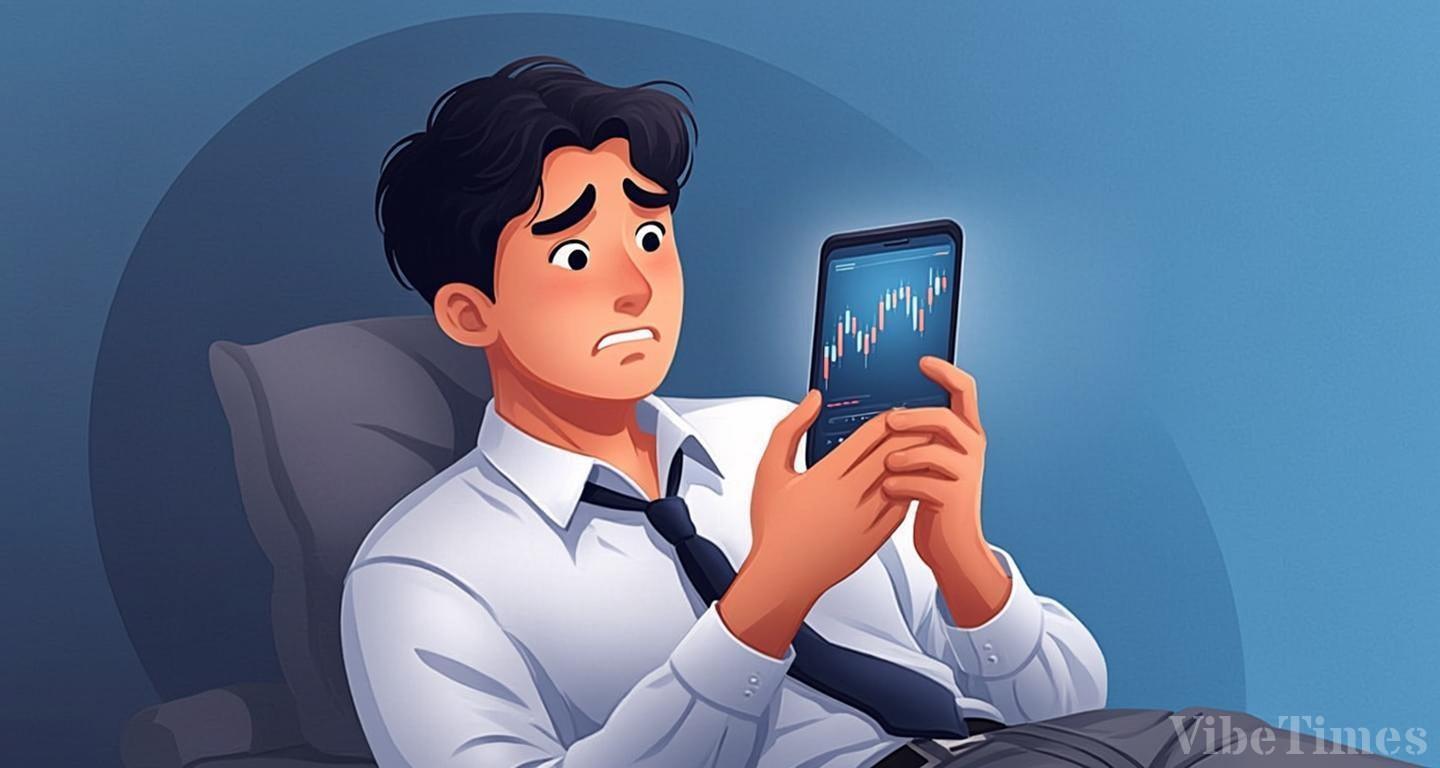
With stock trading hours extended until 8 p.m., more and more office workers are spending sleepless nights unable to turn off the price alerts on their smartphones. As they chase rising and falling stock prices even in their sleep, anxiety is manifesting as physical symptoms like indigestion and insomnia—a so-called 'stock-induced stress' that is spreading among investors.
The Korea Exchange launched an 'After Market' on the 14th of last month, allowing trading until late at night across all KOSPI and KOSDAQ stocks (some 2,700). Daily trading volume, which stood at 1.8177 trillion won on the opening day, fell to 990.5 billion won just four days later on the 17th, dropping below 1 trillion won for two consecutive days. Despite this trend, financial authorities and the Korea Exchange chose to keep the market open even longer. The country has now entered an era of 12-hour daily trading, including the morning Pre Market, and has officially laid out plans to implement 24-hour trading by 2027. The stated rationale: expanding investment access for office workers on their commute home, competing with U.S. exchanges, and preventing the outflow of retail investor funds heading overseas.
The bigger problem goes beyond shrinking trading volume: the price distortion caused by thin order books. Institutional investors such as pension funds and asset managers are not participating in the After Market. The incident on the 6th of last month, when SK Hynix plunged 29.98% to hit its daily lower limit in the Pre Market on just 11 shares traded, illustrates the risk of a thin order book. The number of Market Stabilization Mechanism (VI) triggers on the After Market's opening day reached three times that of regular sessions—another consequence of price distortion.
The Korea Exchange opened the market with insufficient infrastructure, compounding operational confusion. Without an integrated single-board system linking regular and After Market sessions, individual investors face the inconvenience of re-entering identical orders on their way home from work. On the opening morning, a best-order-routing (SOR) system error caused order execution delays and frozen cancellation orders at Mirae Asset Securities, Samsung Securities, and other brokerages.
As a result, the burden on the daily lives of 14 million individual investors keeps growing. They check the extended domestic market until 8 p.m. during the day, then stay up at night monitoring the 24-hour U.S. market and overnight futures, losing sleep in the process. Securities firm workers, too, are toiling past midnight on settlement and accounting tasks that stretch into the early morning hours.
I have pointed out that the essence of advancing capital markets does not lie in lengthening trading hours at the expense of individual investors' daily lives and sleep. The priority should be creating an investment environment that enables long-term investing by first blocking large shareholders' free rein and unfair trading during regular daytime sessions, while expanded 24-hour trading only adds strain to citizens' everyday lives.