Han Dong-hoon proposes bill to make NEC chairmanship a full-time position

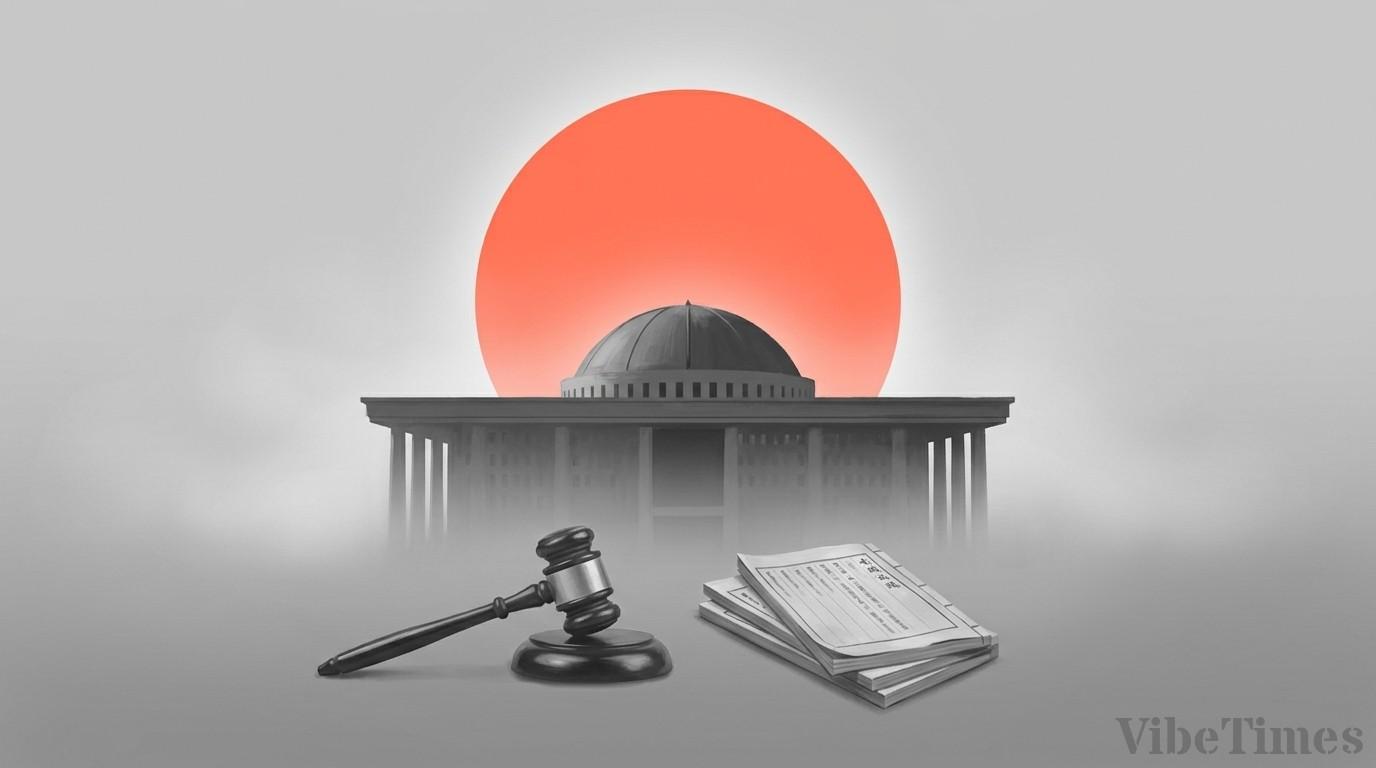
NEC reform bill introduced... full-time chairmanship at its core
A bill to change the head of the National Election Commission (NEC) from a former Supreme Court justice to a full-time position has been submitted to the National Assembly. Independent lawmaker Han Dong-hoon announced on the 2nd that he had sponsored the revision to the Political Party Act—no, the Act on the Management of Elections. The gist of the bill is to make the NEC chairmanship a full-time post and abolish the mandatory recommendation of judges.
Under the current system, the NEC chairmanship has customarily been held by a former Supreme Court justice appointed at the recommendation of the Chief Justice. Critics have consistently argued that this arrangement effectively lets the judiciary decide the head of the election management body, undermining the NEC's independence and political neutrality. In particular, as tensions have grown over the recommendation and appointment of Supreme Court justices amid the recent judicial appointment standoff, misgivings about the practice of a former justice chairing the NEC have spread across the political spectrum. Controversy over the credibility of the ruling in an election invalidation lawsuit filed by the NEC during the impeachment of former President Yoon Suk Yeol also added momentum to reform demands.
Key provisions and scope of the bill
If the bill passes, the NEC chairman will serve in a full-time, standing capacity. The idea is to have a long-serving professional administrator take charge of election management, thereby enhancing the expertise and accountability that short tenures make difficult to secure. The bill would also repeal the provision mandating that judges be recommended for a set proportion of commission seats, cutting off a channel of judicial involvement in the NEC. This is intended to ensure diversity in the commission's composition and block concerns about collusion with the judiciary.
The scope covers the entire election management system centered on the NEC. It could also affect the administration of presidential, general, and local elections, as well as how powers related to election litigation are exercised. However, how to redesign the bodies and procedures for selecting commissioners will require concrete discussion during review by the Legislation and Judiciary Committee.
Divided reactions from parties and experts
Political reactions are mixed. While there is broad consensus on the need for reform itself, opinions differ sharply over its direction and pace. Some opposition figures urge caution, arguing the NEC overhaul could be seen as an attempt by a particular faction to seize control of the election management body. Reform advocates counter that the mandatory recommendation of judges has actually produced a judiciary-heavy bias, and that making the chairmanship full-time is a prerequisite for institutional neutrality. Given that segments of civil society and the constitutional law community have long pointed to the problems of the former-justice convention, there is also sympathy for the bill's intent.
Experts point out that the crux lies in guaranteeing the full-time chairman's tenure and designing a proper vetting process. Making the post full-time alone will not ensure neutrality; the nature of the institution could change depending on who holds the power of appointment.
Legislative path and outlook
The bill will go through the National Assembly's House Steering Committee and the Legislation and Judiciary Committee before a plenary vote. Because the sponsor is an independent lawmaker, the review schedule and the momentum for a vote remain uncertain. Still, since NEC reform has been pursued by both ruling and opposition parties as a campaign pledge or party platform item, the discussion itself could gain speed.
With the general election four years away and the next presidential election looming, public trust in the election management system is being re-examined—meaning this bill's trajectory could shape the political landscape beyond a mere institutional overhaul. The key is reaching agreement on the framework for appointing a full-time chairman. If the parties fail to reconcile their interests in designing the appointment process, the bill could get pushed aside during an interim Assembly session without ever coming to a vote. Conversely, if a compromise emerges that also establishes a neutral vetting mechanism, it could prove a decisive turning point in reshaping the country's election management framework.
