Trump Says U.S. Will 'Charge Korea More' If It Doesn't Invest in Alaska LNG

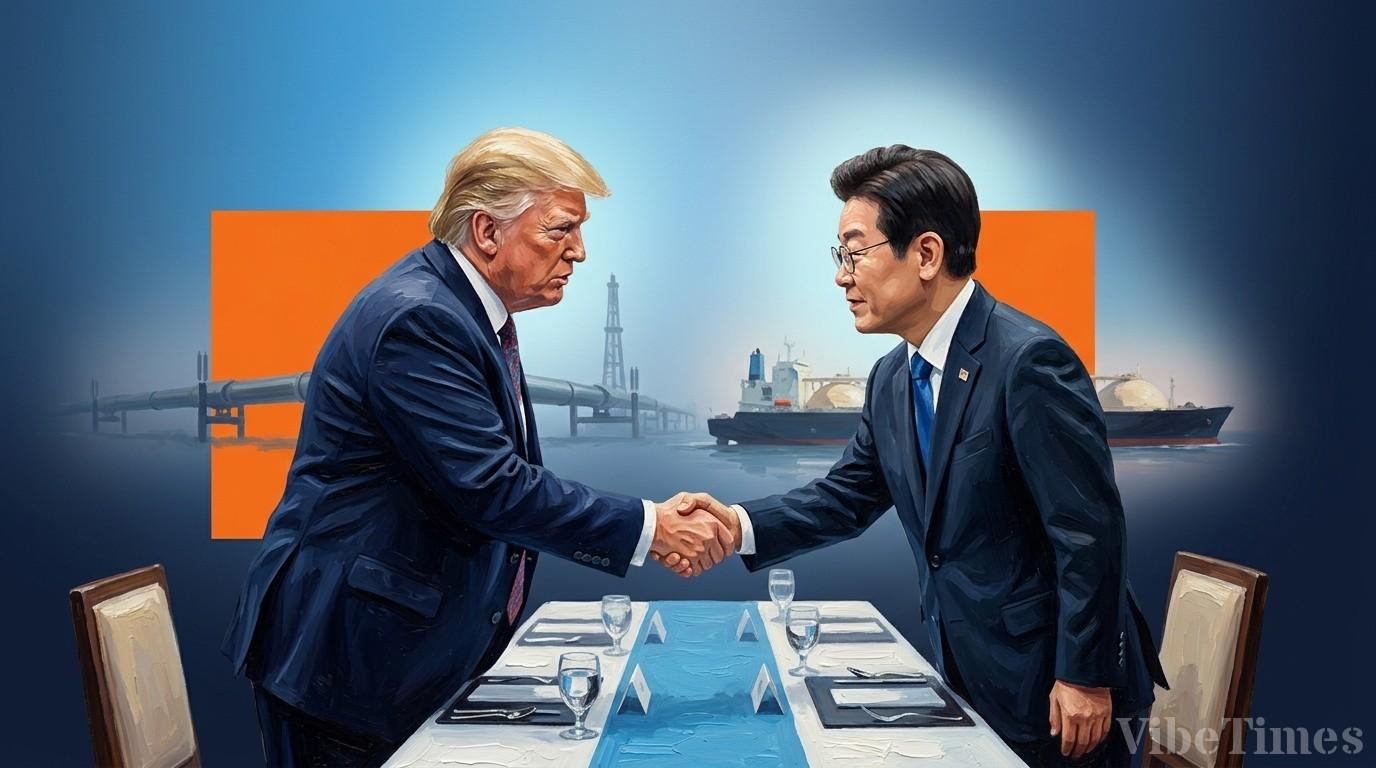
U.S. President Donald Trump on the 2nd (local time) signaled the possibility of de facto trade retaliation, saying the U.S. would impose additional burdens on South Korea if it does not invest in the Alaska liquefied natural gas (LNG) project. When asked about South Korea's position, President Trump replied, "If they don't want to do it, that's fine with me. I'll just charge them more," though he did not specify any concrete measures. His remarks publicly exposed the differences between Seoul and Washington over the terms of implementing the investment commitment. Still, the phrase "charge them more" was reportedly similar to the language he has used when warning foreign governments about imposing tariffs (taxes placed on imported goods).
At the heart of the disagreement is whether the investment will be confirmed. On the 30th of last month at the White House, President Trump unveiled a plan for a $54 billion Alaska LNG export project, presenting it as the key project for South Korea to fulfill its investment commitment to the U.S. The Korean government, however, maintains that it agreed to participate on the condition of economic viability. In other words, the money cannot move until commercial feasibility is verified.
No Korean government officials were present at the announcement, which was attended only by representatives of Glenfarne Group, the private, unlisted developer of the project. When asked whether the announcement had been premature, President Trump defended it, saying, "It wasn't premature. They were in the room when we discussed it."
Whether tariffs can actually be enforced remains uncertain. Under last year's trade agreement, South Korea pledged to invest hundreds of billions of dollars in the U.S., and the two countries have spent months negotiating the specific investment destinations. Disagreement over the Alaska LNG project surfaced during this process. The U.S. Supreme Court limited the president's tariff authority earlier this year, leaving it unclear whether President Trump can unilaterally raise tariffs on Korean products.
Domestic U.S. politics also factors into the Alaska LNG project. Alaska, where the project is to be located, is expected to see a closely contested U.S. Senate race in the midterm elections this November. The project is politically significant for President Trump and the Republican Party as well.
With the Korean government insisting on participation contingent on economic viability and President Trump pushing for the investment commitment to the Alaska LNG project to be honored, negotiations between the two countries over the investment terms continue.