Citibank lowers won-dollar exchange rate forecast to 1,250

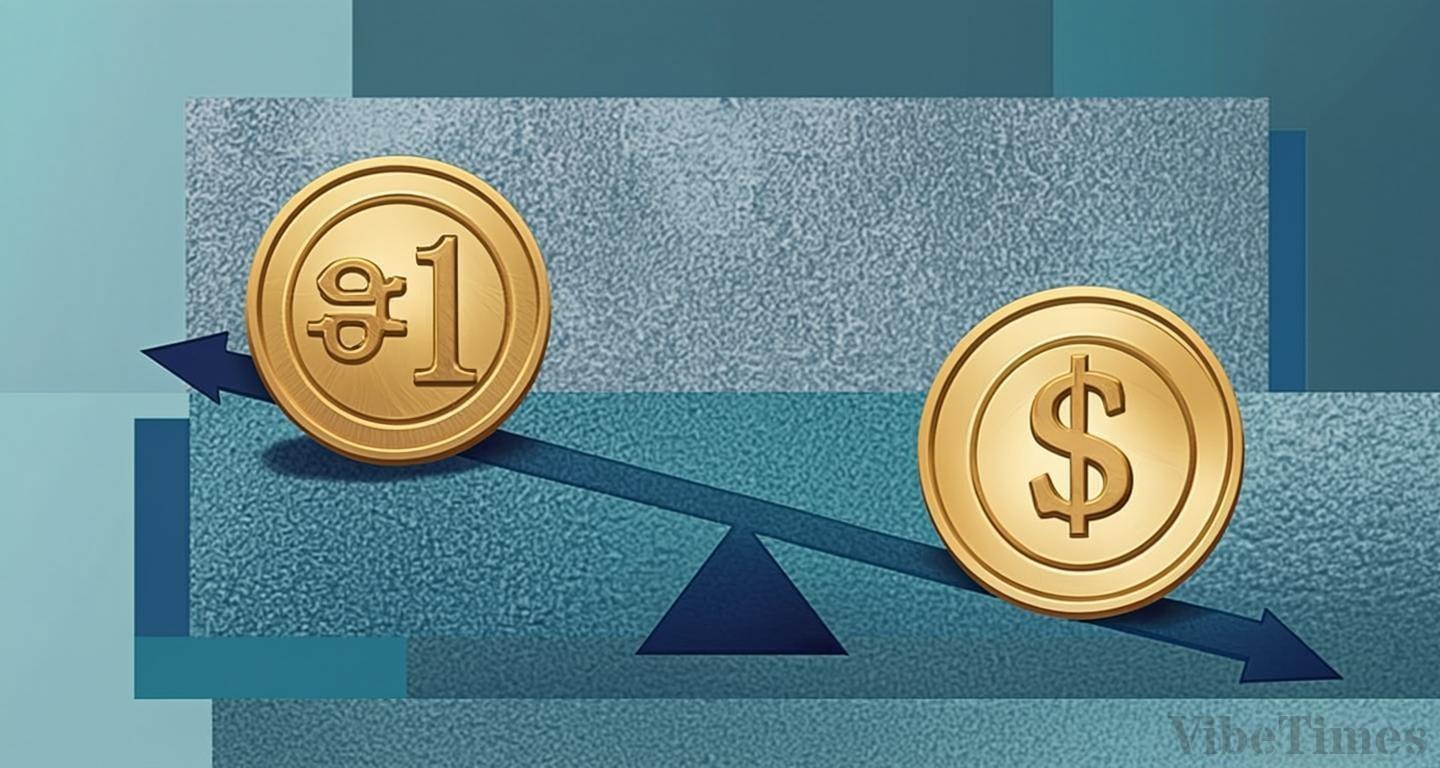
Citibank has lowered its long-term forecast for the won-dollar exchange rate from 1,400 to 1,250. The bank judged that the trade surplus—where exports exceed imports and dollars continue to accumulate—is not a temporary phenomenon but a structural change that will persist. A weaker exchange rate could work in consumers' favor by making overseas travel and imported goods cheaper, with significant implications for household wallets.
As of the close of daytime trading (3:30 p.m.) on the Seoul forex market on the 5th, the won-dollar exchange rate fell 6.6 won from the previous session to 1,344.0. It settled in the 1,340-won range, down from 1,350.6 at the same time on the 2nd. Despite a rise in the dollar-yen rate and a stronger dollar index, robust exports and improved supply-demand conditions have been driving the decline.
Citi said it lowered its long-term forecast in a report earlier this month, citing the memory semiconductor boom and current account surpluses. The September trade surplus hit a record $49.9 billion, with exports up 83.5% and imports up 26.0% year-on-year. Citi projected that current account surpluses from 2026 to 2028 will average 22.2% of gross domestic product (GDP) annually. It expects semiconductor exports to rise 189% this year and 46% next year. The bank explained that long-term supply contracts underpin the sustainability of exports and surpluses.
On the supply-demand side, there is also pressure for won appreciation. Citi analyzed that in the domestic forex market last month, exporters' dollar sales outweighed the outflow pressure from foreign and retail investors. It also viewed the impact of investment in the United States as limited, since up to $20 billion in annual funding can be raised through returns on foreign reserve management and government-guaranteed foreign currency bonds.
However, the pace of decline could slow. Citi judged that if the exchange rate falls below the 1,250–1,300 range faster than expected, the foreign exchange authorities may step in to buy dollars in the spot market to temper the pace and build up foreign reserves. Neither the government nor the Bank of Korea has specified a particular exchange rate level as a line of defense.
There is also a cautious view that the trade surplus alone will not keep pushing the exchange rate down. In a report on the 1st, DBS said that while export strength supports the won, a repeat of the third quarter's gains is unlikely. Goldman Sachs had previously forecast in June a rate of 1,460 in three months, 1,440 in six months, and 1,420 in 12 months.
Brokerages are focusing on the channels of dollar outflow. Shinhan Investment Corp. and IBK Investment & Securities pointed out that the materialization of Korean companies' direct foreign investment (FDI) in the United States and expanded overseas stock investments by the National Pension Service and retail investors are creating sustained dollar-buying demand. They argue that dollars flowing in through the current account are not returning to Korea but are being recycled into overseas asset purchases, weakening the link between trade surpluses and won appreciation. Shinhan researcher Hakyoung Ha expected the future exchange rate path to hinge on the scale and speed of current account surpluses flowing into Korea, the scale of overseas investment outflows, and the authorities' speed of response.