Ruling and Opposition Parties Clash Head-On at National Assembly Audit over Farmland Solar Favoritism Allegations

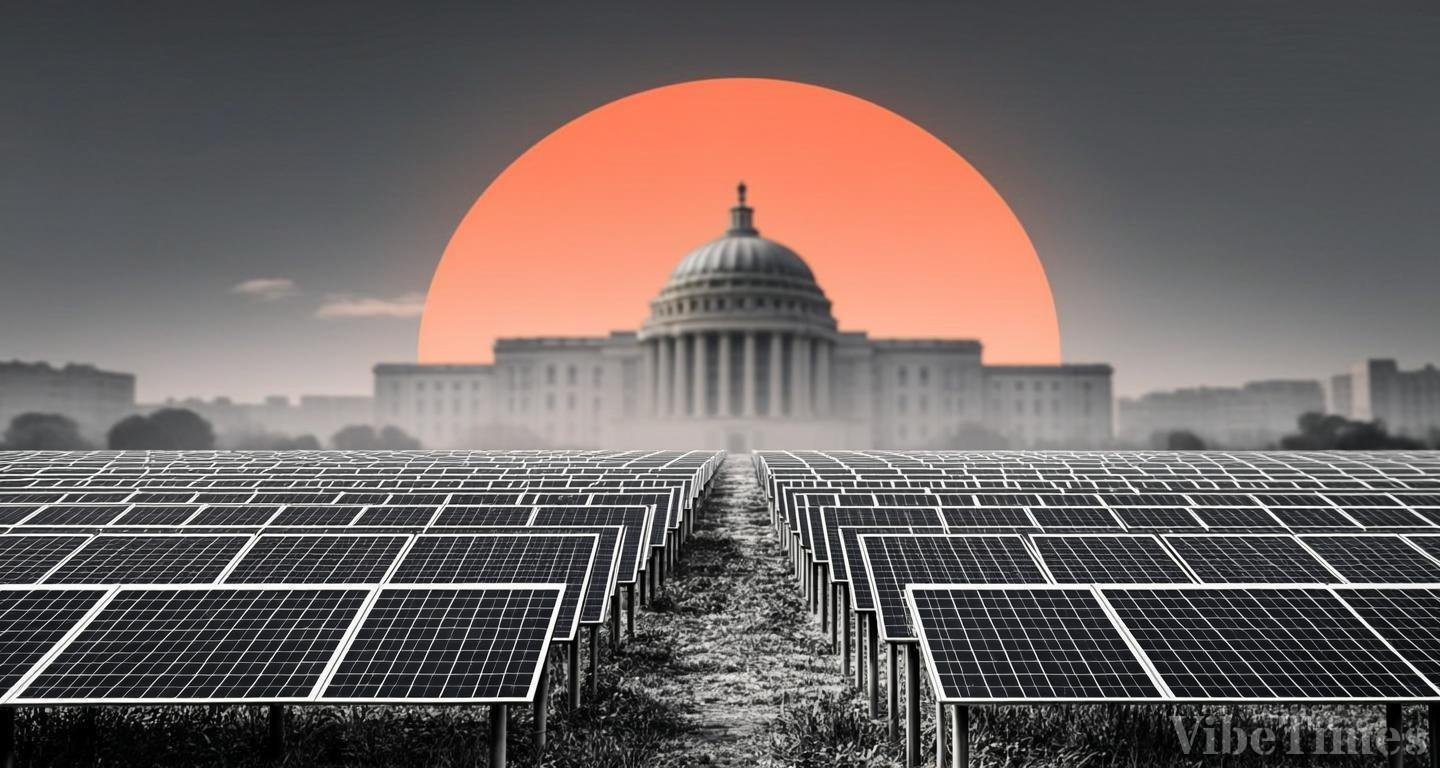
"Now is the time for farmland solar power." That single remark split the National Assembly audit hearing in two.
The controversy over whether the Ministry of Agriculture, Food and Rural Affairs launched a blanket survey of farmland triggered by President Lee Jae-myung's remarks on farmland at a State Council meeting has emerged as a core issue at this year's audit, marking the second year of his administration. In the audit, which began on October 6 and will run for three weeks, the ruling and opposition parties are locked in a head-on clash over whether the farmland solar policy constitutes favoritism. Even the Newsclaim editorial pinpointed the essence of the problem, calling it "the president's dangerous investment."
The Battle of Facts over the Blanket Farmland Survey
The starting point of the controversy is simple: did the agriculture ministry launch its blanket farmland survey after the president's remarks at a State Council meeting? The opposition views the president's comments as a de facto directive that directly moved the ministry's administration. The ministry, meanwhile, is reportedly explaining that the survey was a previously planned task. The crux, in the end, is the causal link between the remarks and the launch of the survey.
The problem is that solar power is not simply an energy policy. When solar panels are installed on farmland, farmers gain rental income, but the land's original agricultural use may be compromised. Moreover, permitting authority is split between local governments and central ministries, leaving ample room for decisions that favor particular businesses. That is why the opposition has focused on raising favoritism allegations.
The Ruling-Opposition Divide Laid Bare at the Audit
The ruling party emphasizes that the blanket farmland survey is lawful administration aimed at rectifying farmland illegally converted and left unaddressed for years. It maintains that the president's remarks were simply a routine policy directive. In fact, with farmland solar permits subject to inconsistent standards across regions, voices on both sides point to the need for a survey itself.
The opposition takes a different view. It raises suspicions that the survey is the opening salvo of selective land-use conversions targeting specific regions and businesses. The editorial's "dangerous investment" criticism stems from the same logic: if a single presidential remark is read by the market as an investment signal, the benefits and losses could be concentrated on particular groups.
Political Shockwaves and the Road Ahead
This skirmish carries extra weight because it coincides with a downward trend in public assessment of the president's performance. According to a JoongWon C&I poll conducted October 3–5, President Lee Jae-myung's disapproval rating hit a post-inauguration high of 61.4%, while approval stalled at 37.1%. For the ruling party, there is a burden in that a widening farmland controversy at the audit could further erode its support base.
If lawmakers on the Agriculture, Food, Rural Affairs, Oceans and Fisheries Committee intensify their scrutiny over the three-week audit, the timing of the ministry's survey launch and the approval documents are expected to emerge as key evidence. If the survey began just days after the president's remarks, the opposition's claims gain traction; conversely, if documents show the survey was prepared beforehand, the ruling party's explanation is strengthened.
Ultimately, the essence of this issue is not solar power but procedure. As Abraham Lincoln observed, what people demand is fairness itself. The outcome of this clash will likely hinge on whether the president's remarks went through normal administrative procedures or preceded them. With future developments depending on the ministry's document submissions and witness testimony during the audit, the controversy is highly likely to persist for some time.