Rate Hike Fears Grow in US Markets Ahead of PCE Release

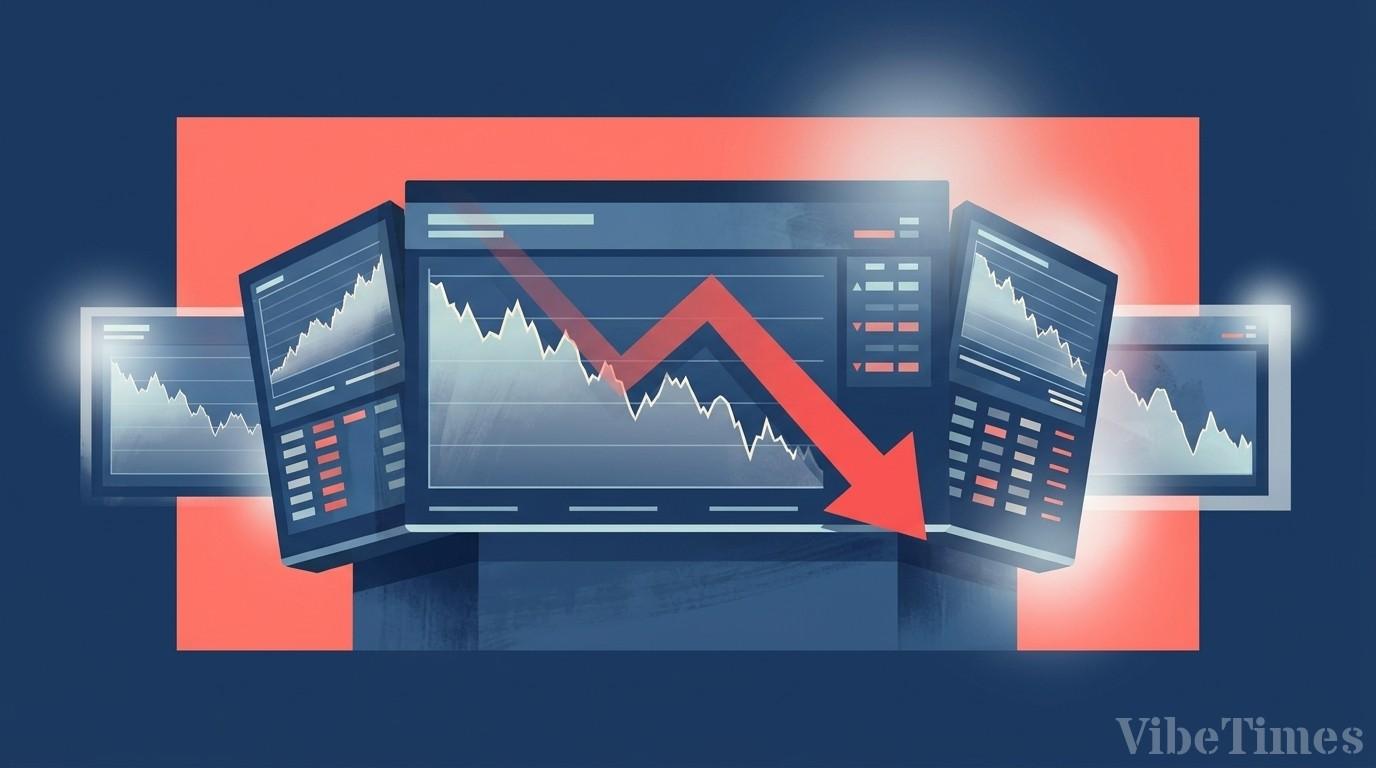
The release of the U.S. personal consumption expenditures (PCE) price index for October on Nov. 25 (local time) is seen as a key variable for the Kospi next week. PCE is a key inflation gauge closely watched by the U.S. Federal Reserve, and higher-than-expected figures raise the possibility of a base rate hike, weighing on stock markets. According to the Korea Exchange, the Kospi closed at 4,869.96 on Nov. 20, down 5.21% from the previous day's 4,875.17? no—down 5.21% from Nov. 19, posting a weekly return of -7.95%. Despite a barrage of major AI-related events this week, including Nvidia's earnings release and Anthropic's Nasdaq listing, the index fell sharply. Hwang San-hae, a researcher at LS Securities, assessed that "although earnings were solid, concerns about the investment environment were not dispelled."
The U.S. October PCE price index will be released on Nov. 25 (local time). The October consumer price index (CPI) released last week came in above expectations, prompting the CME FedWatch to raise the probability of a 50-basis-point (big step) rate hike next month from 3% to 10%. Hwang San-hae of LS Securities explained, "Despite falling oil prices, the Fed's additional tightening risks and the strong dollar continue to pressure discount rates and funding costs," adding, "The 10-year U.S. Treasury yield is also hovering above 5.1%, applying pressure."
Market attention is focused on the U.S. October PCE release. Lee Kyoung-min, a researcher at Daishin Securities, said, "If October PCE inflation exceeds expectations, concerns over additional rate hikes and upward pressure on Treasury yields will intensify, likely limiting the market's rebound momentum despite AI tailwinds." He added, "Conversely, if slowing inflation is confirmed, easing monetary policy burdens should restore appetite for risk assets." Hwang San-hae said, "If this PCE reading exceeds the consensus (3.2%), the 50-basis-point debate could reignite," adding, "If PCE meets consensus and AI and device demand are confirmed uninterrupted through Dell and Best Buy earnings and Black Friday, a short-term relief rally can be expected."
The Kospi fell 3.59% and 2.59% on Nov. 16 and 17, respectively, on concerns over a leadership vacuum caused by the scandal involving Nvidia CEO Jensen Huang and on worries over tighter Chinese regulations. The index rebounded 1.99% on Nvidia's strong earnings on Nov. 18 and rose further on Nov. 19 on Chinese consumption momentum following the Korea-China summit. Although Anthropic's Nasdaq listing the previous day was cited as a catalyst for recovering investor sentiment, it did not translate into an index rebound. U.S. investment firm Hunterbrook disclosed a report linking AMD to IEIT, a blacklisted Chinese server manufacturer, and said it had built a short position in AMD, spreading concerns over tightened China regulations from Nvidia and AMD to U.S. companies at large. Hwang San-hae diagnosed that "the week fell short of dispelling management uncertainty and doubts about the sustainability of AI investment."
Reduced trading volume is also a variable. U.S. markets will be closed on Nov. 26 for Thanksgiving and will close early on Nov. 27. Na Jeong-hwan, a researcher at NH Investment & Securities, stressed, "Foreign investors' reduced trading could thin out liquidity in the domestic market, so stock price volatility could widen even on low volume."