Sleep Quality Begins With Choosing the Right Mattress and Pillow

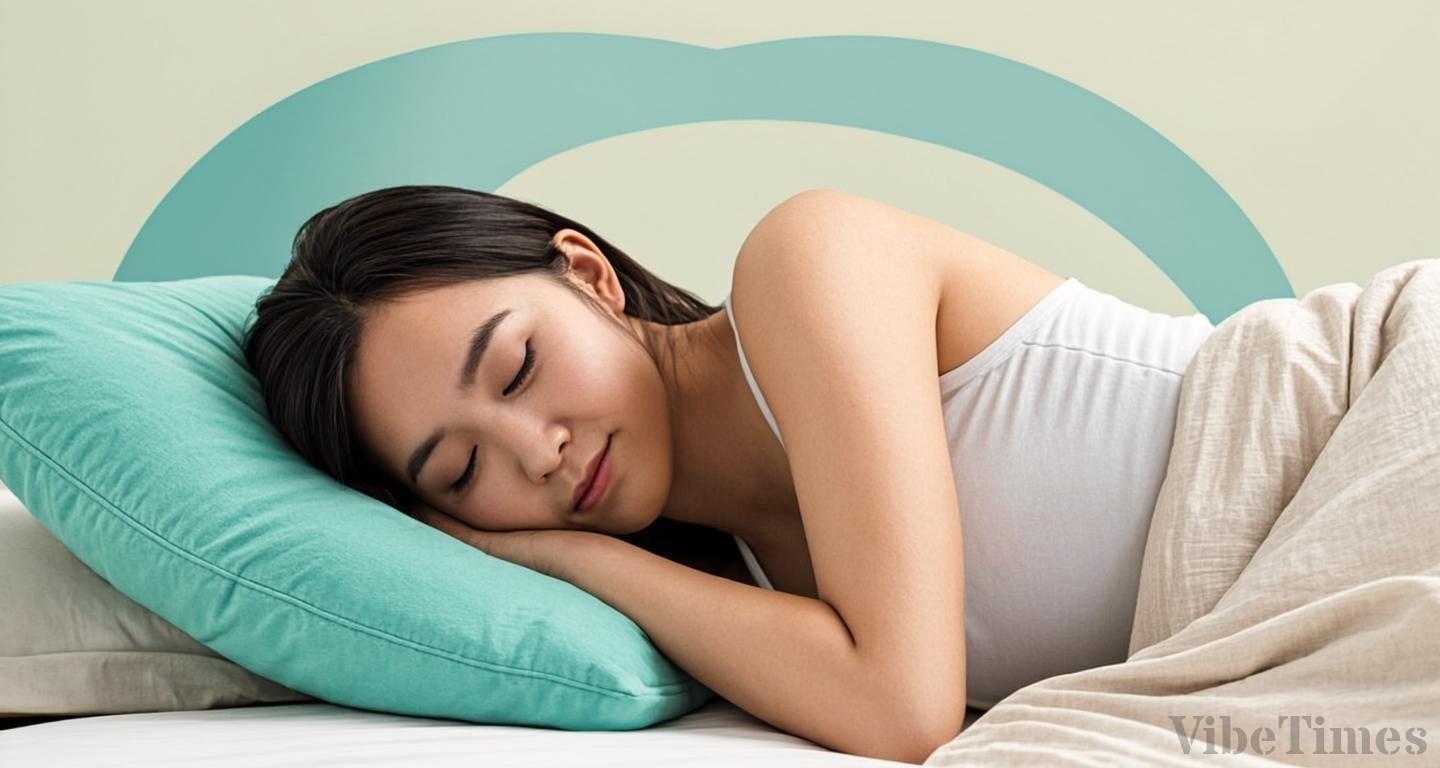
The first step to changing your sleep quality is mattress firmness and pillow height.
According to Statistics Korea's 2023 time use survey, Koreans sleep an average of about 7 hours and 8 minutes, less than the OECD average. Multiple studies have linked short, poor-quality sleep to obesity, high blood pressure, depression, and weakened immunity. The field of sleep medicine cites the bedding environment as a core element of sleep hygiene, recommending that mattresses be replaced every 7 to 10 years and pillows every 1 to 3 years. In other words, what you use and how long you use it determines the quality of your sleep.
Health Problems Caused by Sleep Deprivation, and How Bedding Is the Answer
Those Who Sleep Less Than the OECD Average Pay the Price of Chronic Fatigue
A sleep duration of 7 hours and 8 minutes is a low starting point. Chronic sleep deprivation and poor sleep quality burden metabolic, cardiovascular, and mental health across the board. In particular, people who wake frequently due to pain easily fall into a vicious cycle of further reduced actual sleep time. Bedding is the most accessible means of breaking this cycle.
Replacement Cycles Are the First Step of Sleep Hygiene
Sleep hygiene in sleep medicine includes regular bedtime and wake times, the bedroom environment, and the condition of your bedding. Mattresses have a lifespan of 7 to 10 years, memory foam pillows 2 to 3 years, and latex pillows 3 to 4 years. Bedding past its recommended cycle loses support due to sagging springs and reduced cushioning resilience, throwing off spinal alignment.
Choose a Mattress to Match Your Sleeping Position
Medium to Medium-Soft for Side Sleepers, Medium to Medium-Firm for Back Sleepers
For side sleepers, the shoulders and hips must sink in enough to keep the spine straight. Medium to medium-soft is therefore recommended. Back sleepers need medium to medium-firm support to distribute the body's weight evenly and keep the lower back from arching. Stomach sleeping calls for a firm mattress, but since this position causes excessive lumbar extension, correcting the sleeping position should come before changing the mattress.
Those Over 80kg and Under 60kg Need Different Firmness Levels
People weighing 80kg or more are suited to supportive firm to medium-firm mattresses, ideally pocket spring models. If the body sinks in too deeply, the lower back arches. Conversely, those under 60kg should opt for a moderately soft medium firmness so the body doesn't get swallowed by the mattress. A 2021 systematic review published in Applied Ergonomics reported that medium-firm mattresses showed the most consistent effects on relieving lower back pain and improving sleep comfort. Chiropractic and rehabilitation medicine also recommend supportive medium-firm mattresses for herniated disc patients.
Comparing the Pros and Cons by Material: From Pocket Springs to Memory Foam
Pocket Spring and Latex: If You Want Durability and Hygiene
Pocket springs offer ventilation, resilience, durability, and good body-shape adaptation, but they are heavy and mid-to-high priced. Latex offers antibacterial and dust-mite resistance, rebound, and eco-friendliness, but is vulnerable to heat and expensive. These are good choices for consumers who prioritize hygiene and longevity.
Memory Foam and Soft Poly Foam: Pressure Relief vs. Value
Memory foam excels at pressure distribution and vibration absorption, reducing shoulder pressure for side sleepers. However, it traps heat and has an initial odor, making it disadvantageous in summer. Soft polyurethane foam is cheap and light, but its durability is short at 3 to 5 years. Hybrids, which combine the strengths of springs and foam, are thick and expensive.
A 3-Step Checklist for Choosing the Right Material
First, check your sleeping position. Second, narrow down the firmness range based on your weight and body type. Third, factor in your budget and the season to pick a material. If you are sensitive to summer heat, breathable latex or a low-profile design is advantageous; in winter, memory foam with its warmth retention is better. The ideal bedroom temperature is 18 to 22°C, and memory foam users should consider products with cooling covers.
Pillow Selection: Support the Neck, Not Just the Head
Back-Calculate Pillow Height and Firmness From Your Sleeping Position
The goal of a pillow is to maintain the natural C-curve of the cervical spine. Side sleepers need 8 to 12cm to fill the gap between shoulder and head; back sleepers need 5 to 8cm so the neck isn't bent backward. For stomach sleeping, 3 to 5cm or no pillow is the rule. If the mattress is soft, use a lower pillow to match how much the body sinks; if it is firm, use a higher one. Orthopedic and rehabilitation specialists generally agree that shoulder-support designs, where the shoulder rests slightly on the pillow, are advantageous for spinal alignment.
The 1-to-3-Year Replacement Rule and Care by Material
Pillows breed dust mites and lose their shape faster than mattresses, so their replacement cycle is shorter. Memory foam offers good pressure distribution but gets dirty and heavy; latex offers ventilation and antibacterial properties but is hard to adjust in height. Microfiber bead pillows are easy to wash and adjust but provide less support. Wash the cover weekly and the core quarterly, but never machine-wash latex or memory foam. When lying down, there should be no gap between your neck and the mattress, and your chin should be neither tucked too far down nor bent back.
A Bedding Improvement Plan You Can Start Tonight
Four Signs It's Time to Replace Your Current Mattress and Pillow
The warning signs are clear: when your body's imprint stays in the surface, when you wake with back or neck pain every morning, when you feel noise and sagging as you turn over, or when the item has exceeded its recommended lifespan. According to the shared view of sleep societies and psychiatrists, the right answer is always whatever is most comfortable. No single product is best for everyone, and the real metric is not the presence of pain but whether you toss and turn less while you sleep.
Three Checks You Must Do Before Buying
First, lie down in your usual position in the store for at least 10 to 15 minutes and check the gap behind your lower back. Judging while standing is meaningless, and if possible, compare two or three products in a row. Second, test whether there is noise or jarring when you roll over. Third, verify KC certification, authentic products at least 20cm thick, latex content of 60% or more, and choose a brand that allows returns after trial. Price is not a proxy for quality, and even an expensive product is useless if it doesn't fit your body. However, if lower back pain persists, diagnosing the root cause should come before changing bedding, and if sleep apnea is suspected, you need a polysomnography test rather than pillow adjustments.