Eggs and Rice Are All You Need to Cook Dishes From Around the World

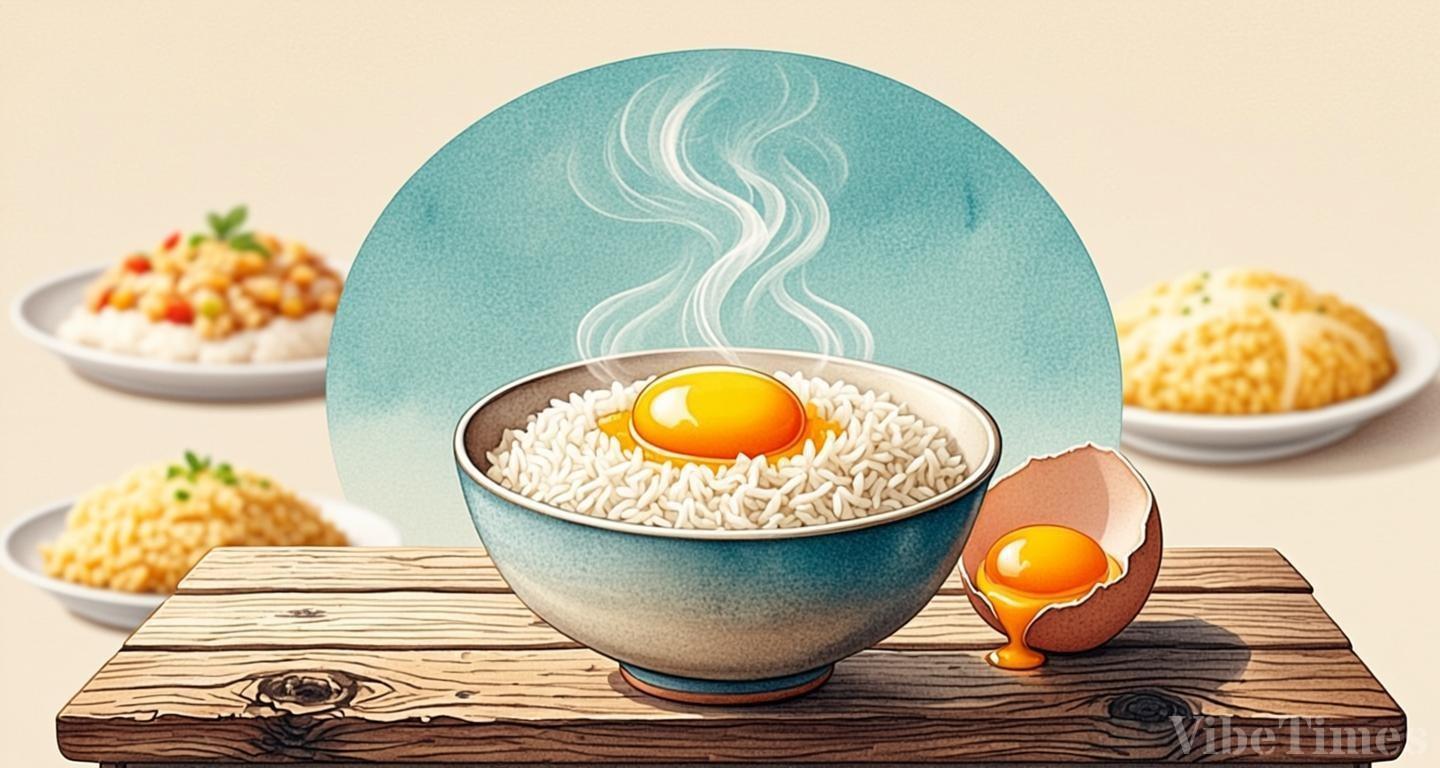
With just two eggs and a bowl of rice, you can put a different dish on the table every day of the week for under 1,000 won in ingredients.
The combination most frequently found in the fridge of someone living alone is eggs and rice. Eggs are a complete food packed with protein, vitamins A, D, and B, and lecithin, while rice covers your carbohydrate energy needs. Combine two eggs with a bowl of rice and you get roughly 450 kcal and 15 grams of protein—a balance that leaves nothing lacking in a single meal. This simple pairing has indeed become a beloved budget staple in countries around the world, from Korea's egg bibimbap to Japan's tamago kake gohan to Chinese-style egg fried rice.
Why Eggs and Rice Became a Global Working-Class Dish
A Nutritionally Complete Minimal Combination
A single egg (50g) provides about 70 kcal and 6 grams of protein. Add rice for carbohydrates, and the basic framework of carbs, protein, and fat is complete in one bowl. Few ingredients can stand alone as a full meal like this. And precisely because the ingredients are so simple, the cooking methods have branched out in diverse directions, reflecting each country's seasoning culture—soy sauce, sesame oil, mayonnaise, and more.
Balancing Cooking Time and Fullness
The strength of this combination is speed. Egg fried rice takes 5 minutes; tamago kake gohan, 3. Egg porridge takes 12 minutes but is the easiest to digest, making it especially useful as a breakfast substitute. Fried rice, mayo-egg rice, and rice pancakes rank highest for satiety, while tamago kake gohan, made with raw egg, is considered the best for nutritional balance.
Three Beginner Recipes Done in 5 Minutes
Egg Fried Rice: Taking the Eggs Out First Is a Mistake
Heat oil in a pan, scramble the eggs, then add the rice and stir-fry together. Finish with a tablespoon of soy sauce and some pepper, and it's done. The common mistake is cooking the eggs fully and removing them separately, which makes them dry and rubbery. The key to success is combining the rice before the eggs dry out.
Quick Chazuke: A Gentle Egg-and-Water Rice Dish
Top hot rice with a soft-boiled egg, add a few drops of soy sauce, and drizzle with sesame oil. With minimal cooking time, it's ideal for hangover recovery, late-night meals, or days when your stomach feels weak. Easy on digestion, it's highly practical as a solo diner's midnight meal.
Mayo-Tamago Gohan: The Flagship of Japanese One-Room Cooking
Place a fried egg on top of rice and drizzle with a sauce of mayonnaise and soy sauce mixed 1:1. Minimal effort plus a rich, nutty flavor has made it the gold standard of Japanese solo cooking. That said, mayonnaise sends the calorie count soaring, so it's best to keep it to one or two tablespoons per meal.
Intermediate Recipes Worth 10–15 Minutes
Egg Porridge: The Most Digestible Breakfast Substitute
Add 2–3 times the volume of water to rice, bring to a boil, then stir in beaten eggs. Finish with salt and sesame oil. Its thick, comforting texture makes it a perfect choice for delicate stomachs or breakfast.
Tamago Kake Gohan: Fresh Egg Safety Is a Must
This Japanese-style egg bibimbap involves cracking a raw egg over rice and stirring it together with a teaspoon of soy sauce into a silky mix. It takes just 3 minutes, but conditions apply. You must use fresh, sanitized eggs, washing the shells and checking for debris. Korea's Ministry of Food and Drug Safety recommends heating eggs to a core temperature of 75℃ for at least one minute to reduce the risk of salmonella. Cracked or unwashed eggs are not fit for raw consumption.
Egg Rolls and Rice Pancakes: Side Dishes Included
Beat two eggs, fry them thinly two or three times, rolling as you go, and you have an egg roll. Slice it into bite-sized pieces over rice, and it goes beyond a topping to serve as a proper side dish. Rice pancakes—rice mixed with eggs and a little salt and pan-fried flat—also make a filling meal in just 10 minutes.
Expansion Strategies When You Have More Ingredients
One Sauce Changes the Nationality
Keep the basic recipe and change only the sauce, and the dish changes nationality. Soy sauce makes it Japanese, oyster sauce Chinese, gochujang Korean. Top it with a soy glaze and a generous heap of scrambled eggs, and you have a Hong Kong-style egg rice bowl.
Prioritizing Supplementary Ingredients
When your fridge allows, put mayonnaise, seaweed and sesame oil, and scallions and onions to use, in that order. Experts recommend adding minimal extras like scallions, onions, and seaweed where possible to supplement vitamins and dietary fiber. With seaweed on hand, you can even roll fried egg and rice into mini gimbap for a variation.
Principles for Fewer Failures and Safer Eating
Half the Battle Is Heat Control
Most egg-cooking failures stem from high heat. Combine the rice before the eggs dry out in fried rice, and cook porridge and egg rolls slowly over low heat to keep them tender. Soy sauce and salt are seasoning enough—excess sodium only ruins the flavor.
Storage and Freshness Checks
Eggs stay fresh longer when refrigerated with the pointed end facing down. Don't leave them at room temperature for more than two weeks, and refrigeration is essential in midsummer. If freshness is in doubt, place them in water to see whether they sink—floating eggs should be discarded. Rice left in the fridge carries a risk of Bacillus cereus contamination and must be reheated to at least 74℃.
Conclusion: Recommended Combos by Situation
Egg fried rice when you're busy, egg porridge when digestion is a concern, and tamago kake gohan when fresh, sanitized eggs are guaranteed. With basic seasonings stocked, the same two ingredients can yield a different flavor every day of the week. Even if your fridge looks empty, if there are eggs and rice inside, tonight's dinner is already decided.
