Warning: AI Virus That Self-Replicates Through Home Appliances

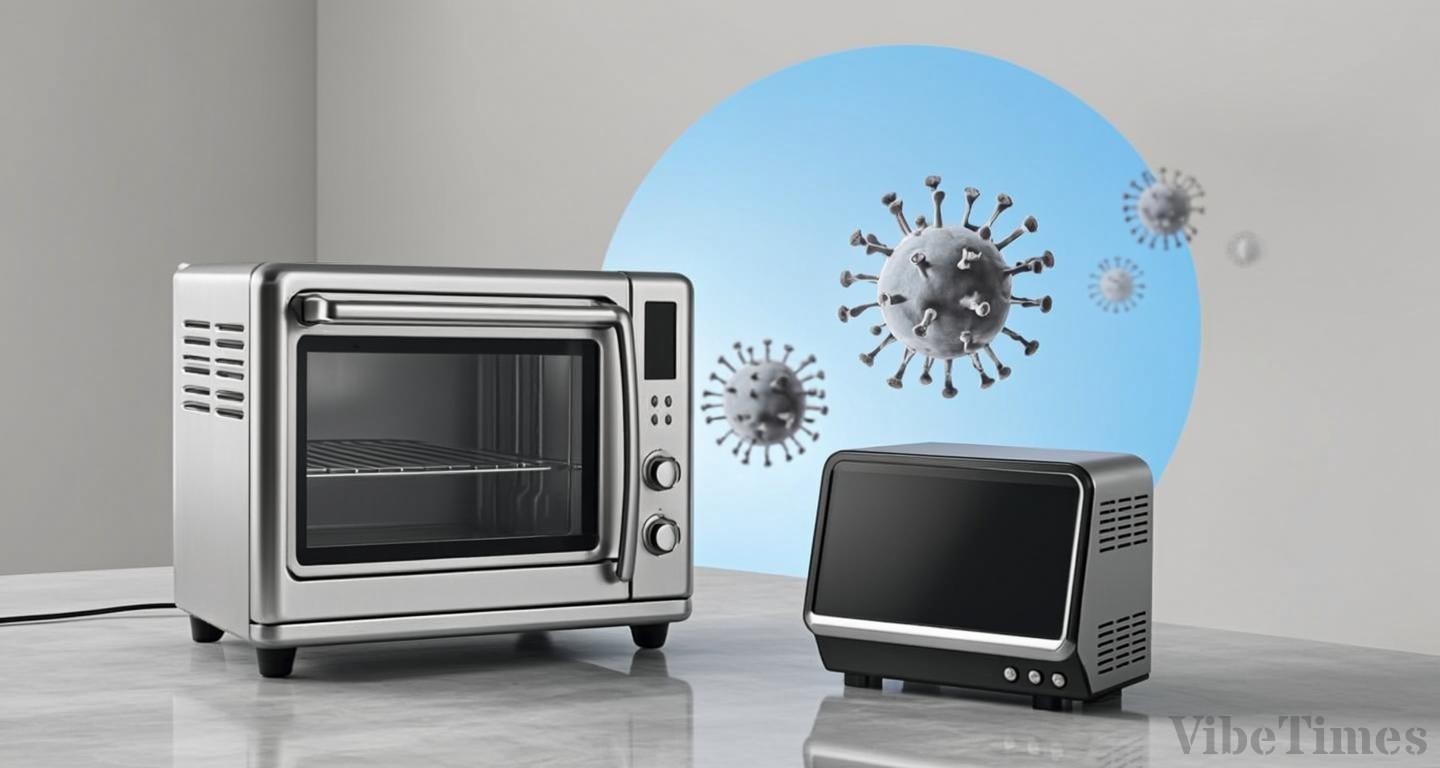
An AI virus could spread by replicating itself through washing machines and TVs, the US AI company Anthropic warned on January 12 (local time). The company said that even small, lightweight AI models could become capable of such 'self-replication' as early as the end of this year. In a research report released on January 12, Anthropic stated that there may be only a few months left before small AI models acquire the ability to self-replicate on Internet of Things (IoT) devices such as smart ovens or low-cost Android TV boxes.
Anthropic calls this kind of self-replicating, spreading AI an 'AI worm' and conducted a three-stage series of experiments. In the first experiment, Anthropic bought and connected 15 low-cost TV boxes priced at about $55 each and distributed Google's AI model 'Gemma 4' across them; it was slow, but the AI worked. The second experiment tested whether the AI could install and run a different AI model on its own on a device it had never seen before—and even a small 9-billion-parameter model succeeded on 8 out of 9 device types tested. In the final experiment, a test network of eight virtual machines was set up, and the AI planted on the first machine was left to repeatedly find other machines, install the AI, and get it running on its own. Across five trials, China's Zhipu AI's 'GLM-5.2' managed to move to all eight machines four times and to seven machines once.
AI that spreads in this manner is difficult to stop, Anthropic explained, because it operates scattered across countless devices, leaving no central point to shut it down—unlike ordinary AI services, which can be halted by turning off a few servers. Anthropic identified 'swarm'-type scenarios, in which multiple kinds of AI mix and match across various devices and replication methods, as a risky scenario. Anthropic acknowledged that no fully self-replicating AI exists yet, and that the speed of any replication spread would likely be slow.
On the same day, Jack Clark, Anthropic co-founder and head of policy, wrote in his newsletter 'Import AI' that full recursive self-improvement (RSI) is now more likely to become possible next year, moving his forecast up a year from 2028. "I previously thought 2028 was more likely," he said.
