Artificial Blood Technology and the Future of Batteries

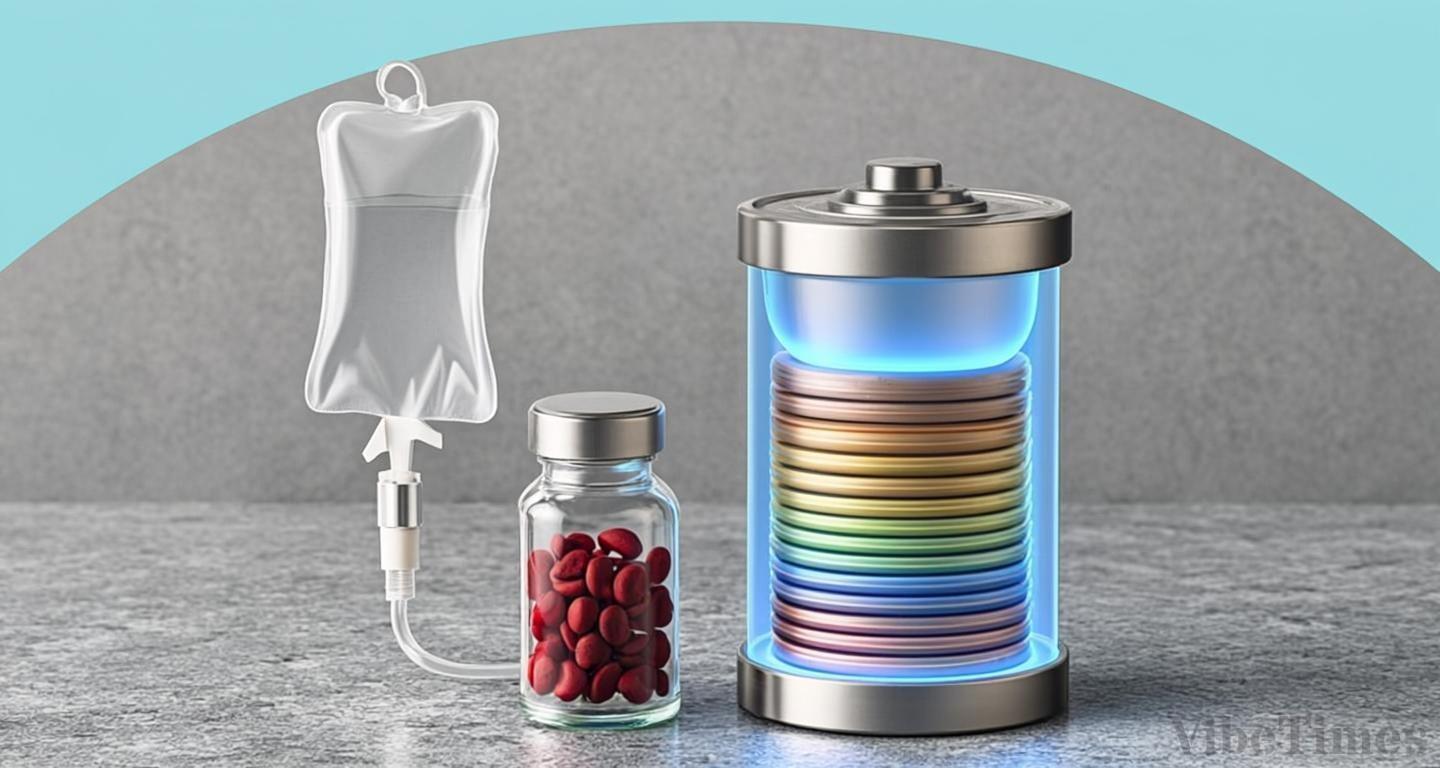
The US military is developing artificial blood. The Defense Advanced Research Projects Agency (DARPA) has committed $73 million to developing a synthetic blood product that can be stored long-term. DARPA is leading the program, with the goal of turning plasma, platelets, and red blood cells into dried products that can be stored for extended periods and rapidly deployed to the battlefield. Researchers caution, however, that key challenges remain regarding the safety and efficacy of synthetic substitutes.
In February 2007, a US military helicopter transporting blood to a field hospital in Iraq was shot down, killing all seven crew members aboard. The incident underscored that blood has a short shelf life, is often in short supply, and poses serious risks during transport.
On the battery front, China's WeLion New Energy has been named to MIT Technology Review's list of '10 Climate Tech Companies to Watch in 2026.' The company develops semi-solid-state batteries that use a hybrid of liquid and solid electrolytes. In 2023, it partnered with electric vehicle maker Nio to launch a battery pack capable of driving more than 1,000 kilometers on a single charge.
