93 Lawmakers From Both Parties Join Forces to Form Special Committee on Intimate Partner Violence

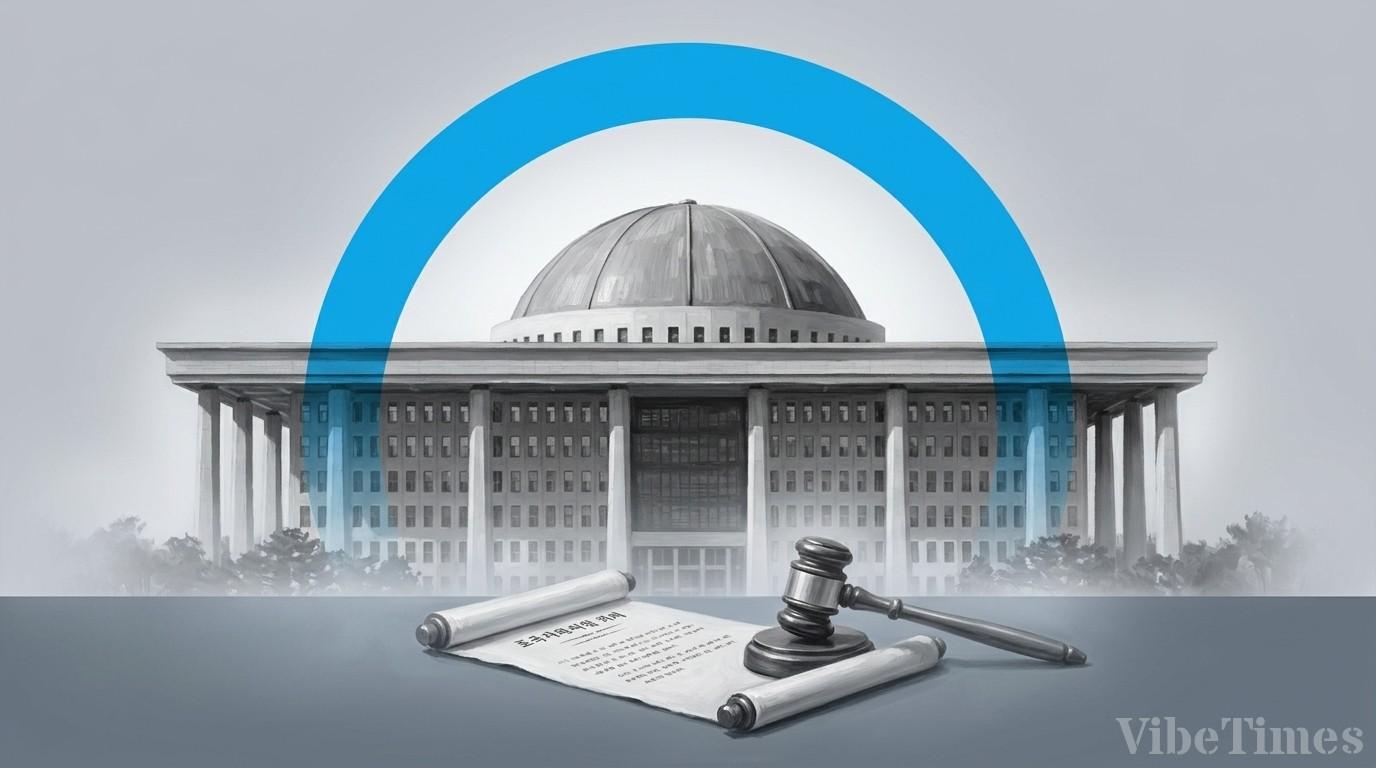
A total of 93 lawmakers from both ruling and opposition parties have united at the National Assembly. A resolution has been put forward to form a special committee tasked with devising measures against intimate partner violence. It is rare for the ruling and opposition parties to co-sponsor a bill with a near-quorum number of members, without regard to negotiating bloc affiliations. The resolution is seen as a response of self-reproach that the National Assembly has been slow to act on the repeated incidents of intimate partner violence in recent months.
Why a Special Committee, and Why Now
Intimate partner violence is an umbrella term for violence occurring between current or former partners, including dating violence, stalking, and digital sex crimes. The existing criminal justice system has shown limitations in dealing with this type of crime, which falls entirely within neither domestic violence nor general violence. It has been consistently pointed out that victims are often reluctant to report, and that institutional mechanisms to block renewed contact with perpetrators are lacking. The fact that 93 lawmakers from both parties have come together through this resolution to form a special committee signals the National Assembly's intent to fill this institutional gap directly.
Key Provisions of the Resolution
The gist of the resolution is to establish a special committee on intimate partner violence within the National Assembly to comprehensively overhaul related laws and systems. Once formed, the committee will be able to craft effective measures that cut across provisions scattered across individual statutes, including the Criminal Act, the Act on the Punishment of Sexual Crimes, the Anti-Stalking Act, and the Act on the Prevention of Domestic Violence. Its direct targets are victims, perpetrators, and investigative and judicial bodies, while indirectly it is expected to affect police initial response procedures and the operation of courts' restraining orders.
Particularly noteworthy is the direction toward victim-centered reform of the criminal justice system. The number 93 is not merely a list of names but a signal that sufficient votes have been secured for the committee's formation and subsequent legislative process. Given that the sponsors span both major parties, the committee's formation itself appears highly likely to proceed without major friction.
Reactions From Parties and Civil Society
At a time when the ruling and opposition parties are sharply divided on many legislative matters, this resolution has exceptionally shown a thread of bipartisan agreement. The ruling camp emphasizes strengthening victim protection and making protective measures such as restraining orders effective, while the opposition stresses prevention and building recidivism-prevention systems over excessive punishment. Though there are subtle differences in emphasis, there appears to be no disagreement over the need for the committee itself.
Civic groups and victim support organizations have welcomed the move while urging speed. The resolution is declaratory in nature, calling for the committee's formation, so tangible results will depend on the specific bills to be handled afterward. Experts also point out that legislative overhauls will only be effective if accompanied by budgetary support, including victim support personnel and shelters.
Timeline and Outlook
Procedurally, the resolution must pass a plenary session of the National Assembly before the special committee is formed. With 93 members from both parties already signed on, passage appears to be a matter of time. Once the committee launches, related bills are expected to be introduced through the end of the year, timed alongside the National Assembly audit and budget review schedule. However, negotiations over the severity of penalties and the scope of protective measures in individual bills could become contentious, meaning the committee's formation does not in itself guarantee completed legislation.
Theodore Roosevelt said that great actions speak to all mankind. The 93 signatures are a declaration, but that declaration only becomes action when it is completed as law that changes victims' daily lives. Whether the special committee remains a formal body or becomes the starting point for effective legislation will be decided in the National Assembly's agenda over the coming months.
