Ruling and Opposition Parties Split Over Virtual Asset Taxation

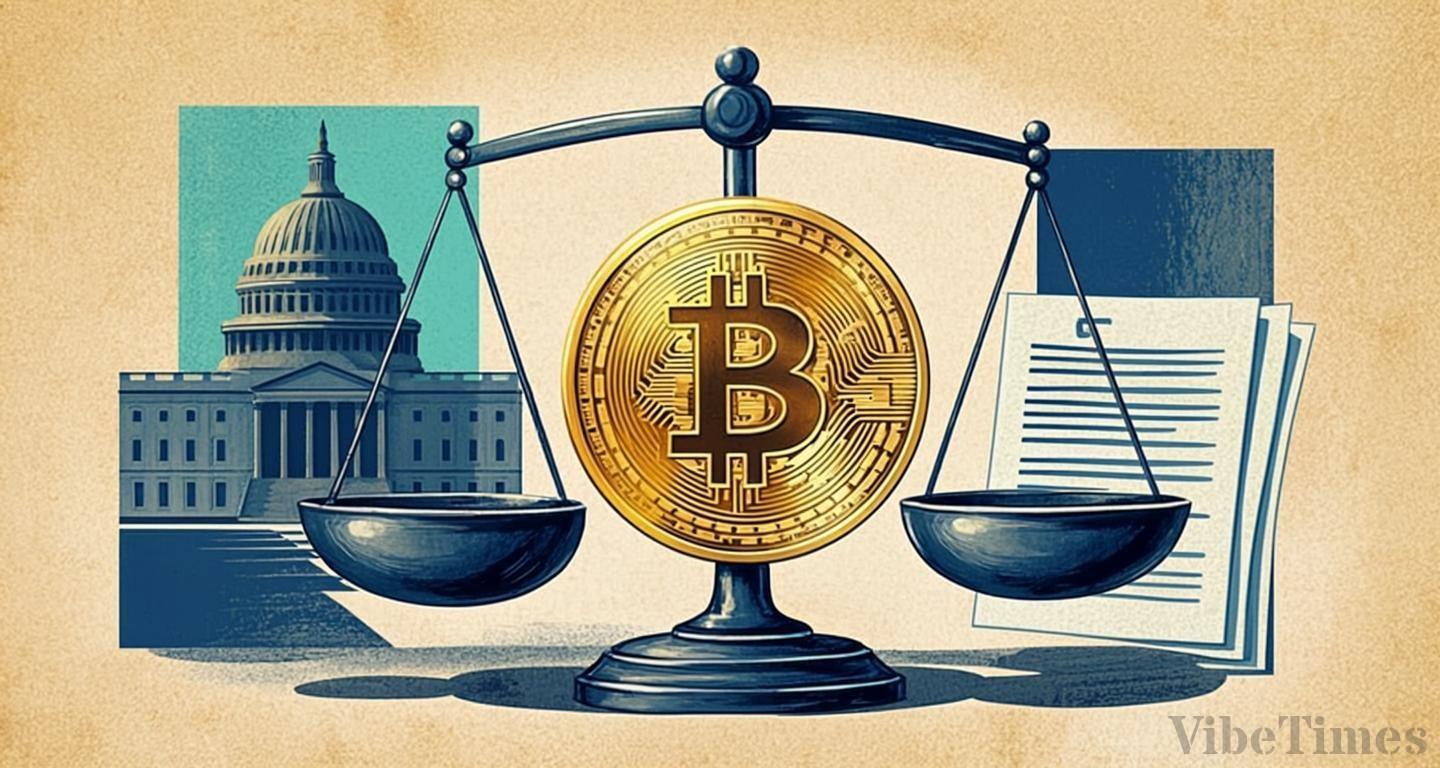
At the National Assembly's Strategy and Finance Committee audit on the 22nd, ruling and opposition lawmakers showed differing views on the timing of implementing taxation on virtual assets (digital assets traded online, such as Bitcoin), which has been postponed three times. Virtual asset taxation was introduced through an amendment to the Income Tax Act in 2020 and, after three postponements, is scheduled to take effect next January. The government is proceeding with administrative procedures for now, but the industry maintains that it is premature, citing insufficient infrastructure.
Democratic Party lawmaker Yoon Hu-duk pointed out at the audit, "The United States, Japan, Germany, and the United Kingdom have already implemented virtual asset taxation, and 48 countries currently impose such taxes." He added, "Every time it was postponed, they said they would prepare, yet the same story is being repeated." He stated, "Postponing or repealing a law passed by agreement between the ruling and opposition parties in a plenary session of the National Assembly shakes the very foundation of the Republic of Korea."
On the other hand, Ahn Do-geol of the same party said, "Some argue that the Digital Asset Basic Act, which is still in the legislative stage, should be enacted first." He added, "There are also views that it would be better to impose taxes at the point when systems for the rights of virtual asset operators and user protection are in place and transactions are conducted normally."
Oh Ki-hyung, the ruling party's secretary on the committee, said, "It has been six years since preparations for virtual asset taxation began. If preparations are still not complete, we should be criticized and apologize to the people." He added, "If the National Tax Service says it is ready while exchanges say it is not, how have they been communicating all this time?"
People Power Party lawmaker Lim Yi-ja pointed out that "domestic exchanges can be taxed, but overseas exchanges have no obligation to submit transaction statements," noting that tax fairness is collapsing. Asking, "Virtual asset operators say it takes a minimum of six to nine months to build infrastructure in accordance with National Tax Service guidelines, so what exactly has been prepared?" she effectively expressed support for a postponement.
Deputy Prime Minister and Finance Minister Lee Hyeong-il responded, "At the last audit, I received many criticisms and said I would listen further to expert and industry opinions before making a judgment." He added, "I will gather opinions from both the industry and the National Assembly and make a judgment after careful deliberation." The decision on whether to implement the tax thus remains subject to further review by the government.