Spy Agency's Official Denial of Kim Jong-un Death Rumors Only Intensifies Political Fray

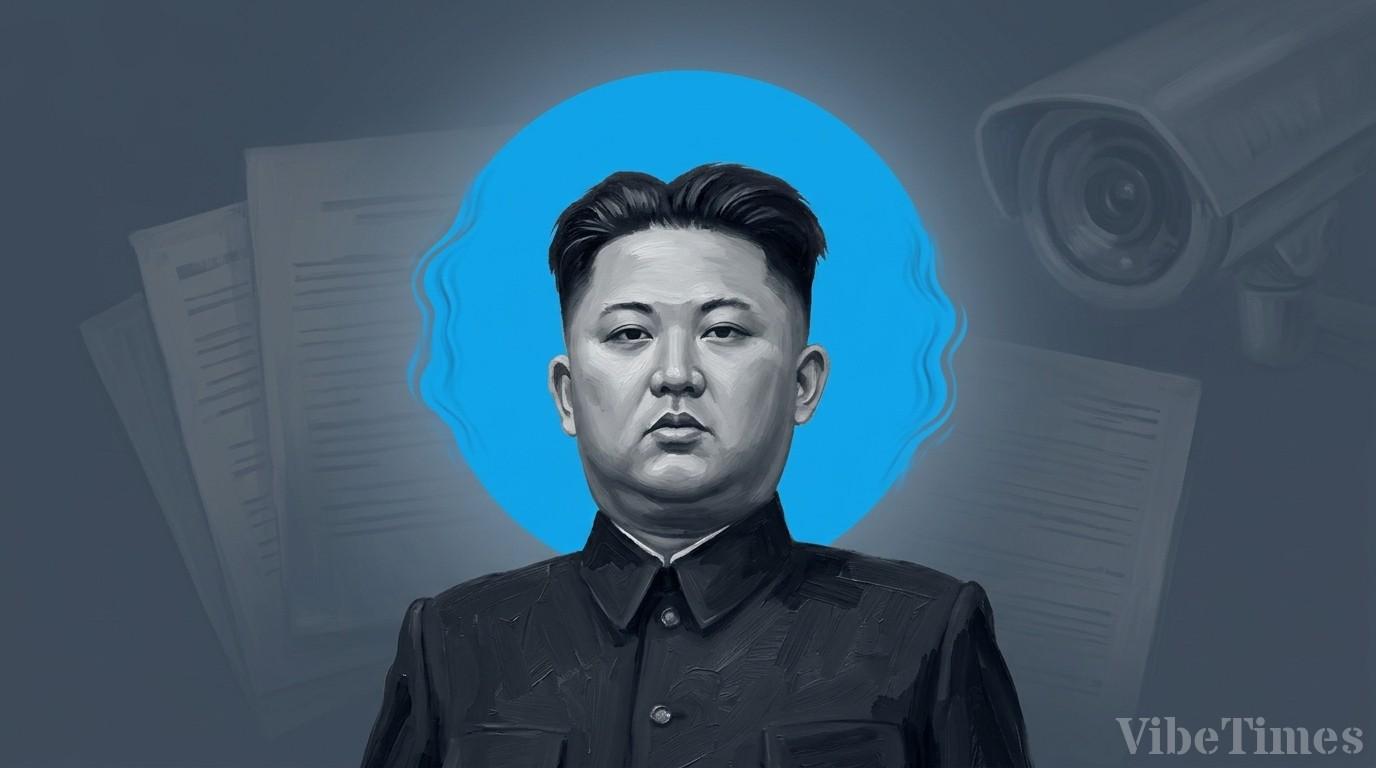
The National Intelligence Service (NIS) has formally denied rumors of Kim Jong-un's death.
By reporting to the National Assembly's Intelligence Committee that "the rumors of Kim Jong-un's death are false," the NIS has officially put to rest the speculation about the North Korean leader's health that had recently spread online and through some media outlets. While the intelligence authorities' formal briefing has brought the rumor itself to a close, the questions raised over intelligence verification responsibilities and the political wrangling between the ruling and opposition parties are, if anything, escalating.
How the Death Rumors Spread and the NIS Response
The rumors of Kim Jong-un's death spread over recent weeks through unofficial channels such as social media and YouTube. Despite relying on speculation without any official North Korean media reports or verifiable sources, the rumors were rapidly amplified—partly because North Korea's closed nature left little ground for rebuttal.
Amid this, the situation shifted when the NIS formally reported to the National Assembly's Intelligence Committee that the death rumors were untrue. The intelligence authorities' direct confirmation that the rumors were false is seen as a judgment to defuse early tremors before they could disrupt markets or security policy. Given the nature of the North Korean regime, any sign of irregularity in Kim Jong-un's health translates immediately into a risk premium on the Korean Peninsula.
Ruling and Opposition Clash Over the False Report
The political world's reaction has been hotter than the fact-checking itself. The People Power Party has sought to turn the episode into a matter of intelligence capabilities toward North Korea and the management of the South Korea-US alliance. The opposition party argued that "turbulence is forming in the South Korea-US alliance" and that President Lee Jae-myung must clarify his position on the fates of officials involved in North Korea policy, including Unification Minister Park Joon-young (Jeong Dong-young) and NIS Director Lee Jong-seok. Their logic: now that the death rumors have been confirmed false, what remains is the question of political responsibility for the flow of intelligence.
The Democratic Party's counterattack has been no less fierce. Criticizing the People Power Party for holding a National Assembly forum themed "Revolutionary Park Chung-hee," the party accused it of "laying the groundwork for glorifying dictatorship," shifting the offensive from credibility attacks to a debate over historical legacies. Given that President Lee recently remarked that "the New Village Movement started by President Park Chung-hee remains very useful even today," the stage is set for a renewed clash between the ruling and opposition parties over interpretations of Park's legacy during a reform-minded government.
Intelligence Verification and the Future of North Korea Policy
The substantive implications of this episode are twofold. First is the structural vulnerability of intelligence on North Korea. Inter-Korean communication channels have been cut off since the summit, and the movements of Chairman Kim Jong-un can only be tracked through indirect means such as satellite imagery and foreign intelligence materials. Although the NIS has firmly declared the rumors false, demands for National Assembly-level verification of the basis and reliability of that judgment are likely to continue.
Second is the conflict over the direction of North Korea policy. The Lee Jae-myung government has acknowledged in its unification white paper the reality that the two Koreas exist as "two states," and has emphasized China's role in resolving Korean Peninsula issues, notably through the South Korea-China summit. Meanwhile, NIS Director Lee Jong-seok is reported to have made remarks to the effect that "Kim Ju-ae may be regarded as the successor," prompting cautious voices against prematurely settling on a succession scenario.
Outlook: The Rumor Is Dead, but the Feud Lives On
While the death rumors have ended as confirmed false, the political fallout could drag on ahead of the general election. As seen in Seoul Mayor Oh Se-hoon's return to the political fray—declaring that "the general election is approaching" and pledging to do his utmost for the People Power Party's unity—the opposition is moving to make North Korea and diplomatic issues a pillar of the next electoral contest.
For the ruling party, the confirmation that the rumor was false could prove an opportunity instead. It can highlight the government's swift intelligence response, pin blame for the spread of disinformation on those who circulated the rumor, and spotlight its record of keeping the South Korea-US alliance stable. Still, the fate of Minister Park Joon-young and NIS Director Lee Jong-seok, as demanded by the opposition, remains a question it cannot easily dodge.
In the end, what remains are the verified facts alone. The next point of contention is expected to be what evidence underpinned the NIS's verdict that the rumors were false, and how the National Assembly will confirm its reliability.