Musk's Restrictions Accelerate Europe and Canada's Push for Independent Satellite Networks

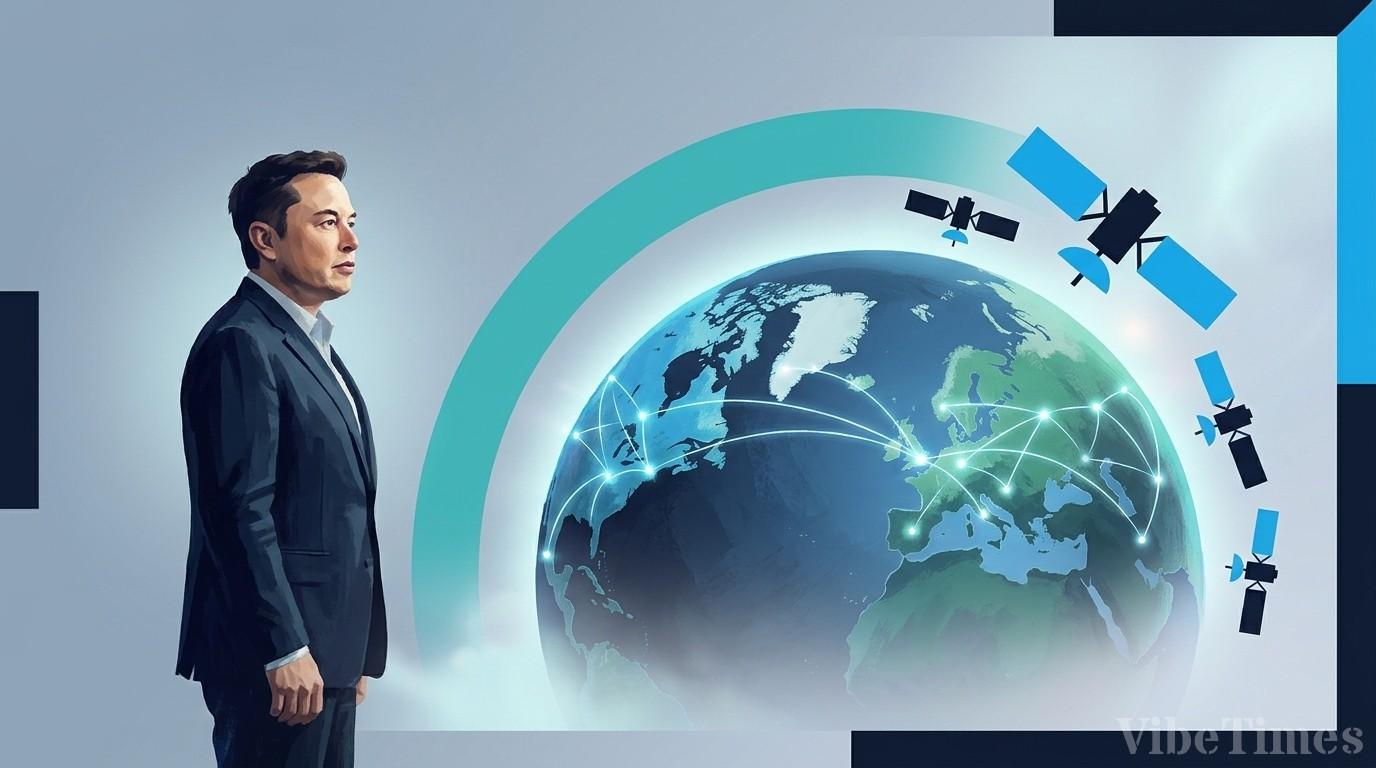
Musk abruptly restricted the Ukrainian military's use of Starlink. In the wake of the incident, U.S. allies including Europe and Canada are accelerating efforts to build independent satellite communication networks. With a communication network essential to military operations at the mercy of a single private company's decision, concerns are growing that reliance on a particular company could create vulnerabilities in national security.
Polish Foreign Minister Radoslaw Sikorski criticized Musk, saying, "The more you politicize the product, the more damage you do to the brand." Republican Senator Kevin Cramer of the United States noted, "The U.S. should not become overly dependent on one system, one person, or one company."
Countries' responses are translating into concrete investments. On the 22nd, Ukraine and Finland announced a support package worth 300 million euros (about 500 billion won), under which Ukraine will join efforts by Finnish satellite company Iceye and telecom equipment maker Nokia to build a satellite communication network. The first satellite launch is scheduled for 2028.
Canada's Telesat is pursuing "Lightspeed," a low-orbit communication network consisting of 288 satellites, with plans to launch its first satellite in December and begin service in early 2028.
The European Union (EU) plans to invest roughly 17.5 billion dollars (about 25 trillion won) to build "IRIS²," its own communication network of 348 satellites, with the first launch set for 2029.
