Mass adoption of solid-state batteries expected in the mid-2030s

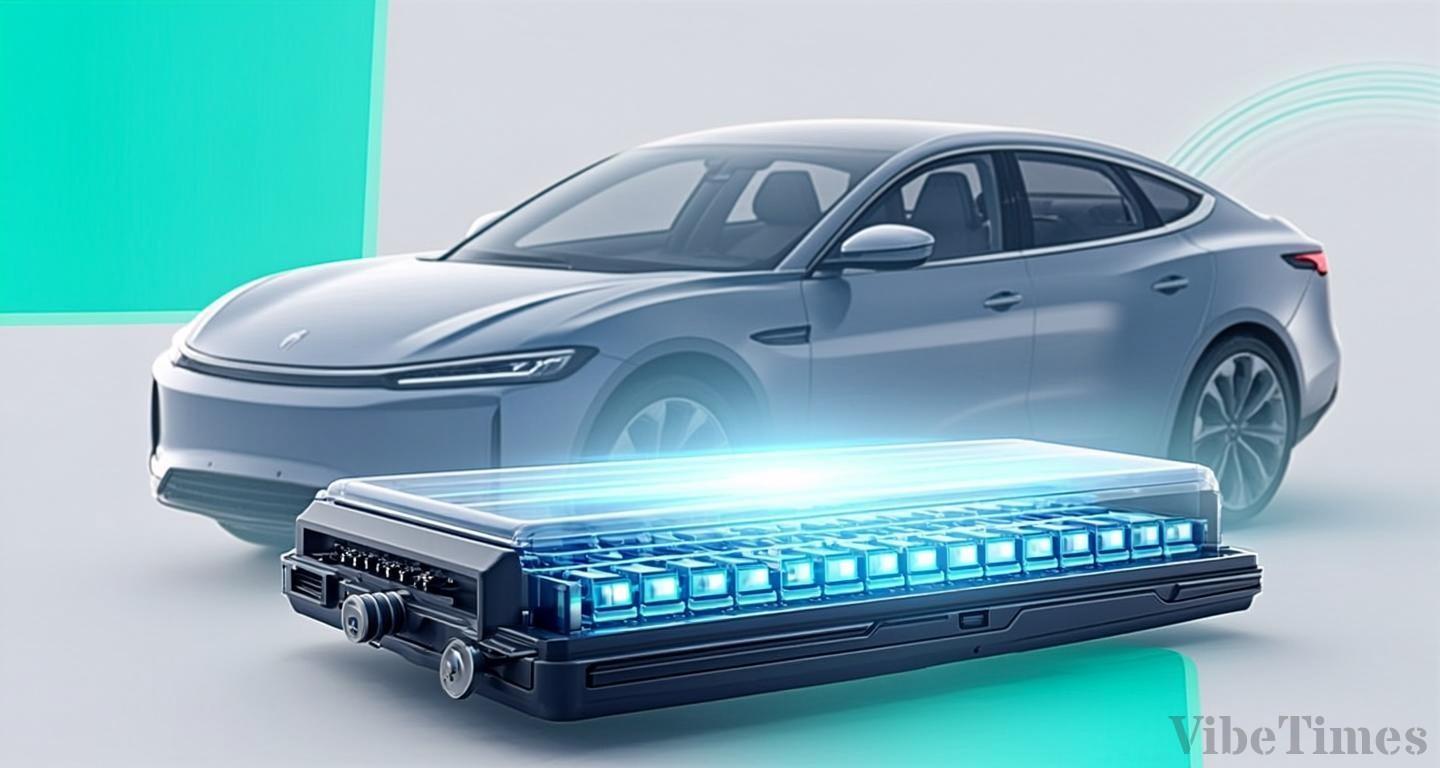
Solid-state batteries are expected to gain competitive viability in the electric vehicle market around the mid-2030s. The outlook emerged on the 25th from a synthesis of foreign media reports and research forecasts. Solid-state batteries replace the liquid components of the batteries widely used today in EVs and elsewhere with solid materials, offering advantages in safety, charging speed and lifespan — but they are difficult to manufacture and costly, which has delayed their commercialization.
Technical barriers and cost burdens remain obstacles. For more than a decade, solid-state batteries have been touted as a technology that would be commercialized "within a few years," but numerous challenges reportedly remain before mass production. A key issue is that crystals formed during charging can damage solid electrolyte materials, raising the risk of internal short circuits and fires. The need to strictly control variables such as humidity during mass production, along with the use of expensive materials including silver, also makes them harder to produce than conventional batteries.
In its Global EV Outlook 2026 report published in May, the International Energy Agency (IEA) projected that solid-state batteries would be used only in limited, premium-market applications through the early 2030s. In a July report, market research firm Fastmarket diagnosed price competitiveness as the core challenge for market growth.
Samsung SDI has built a dedicated solid-state battery production line at its Suwon research campus in Gyeonggi Province, where it is producing samples, and aims to begin mass production as early as the second half of next year (2027). Toyota has been researching solid-state batteries since 2010, and China's CATL invested $2.6 billion in a solid-state technology research program in 2024, as major players continue their development race.
With commercialization expected to be delayed, attention is focused on whether Samsung SDI's mass production target will actually be achieved, and whether its target timeline turns out to be ahead of forecasts — answers that will be revealed in due course.
