Homes owned and lived in by bottom 20% of households hit record-low value last year

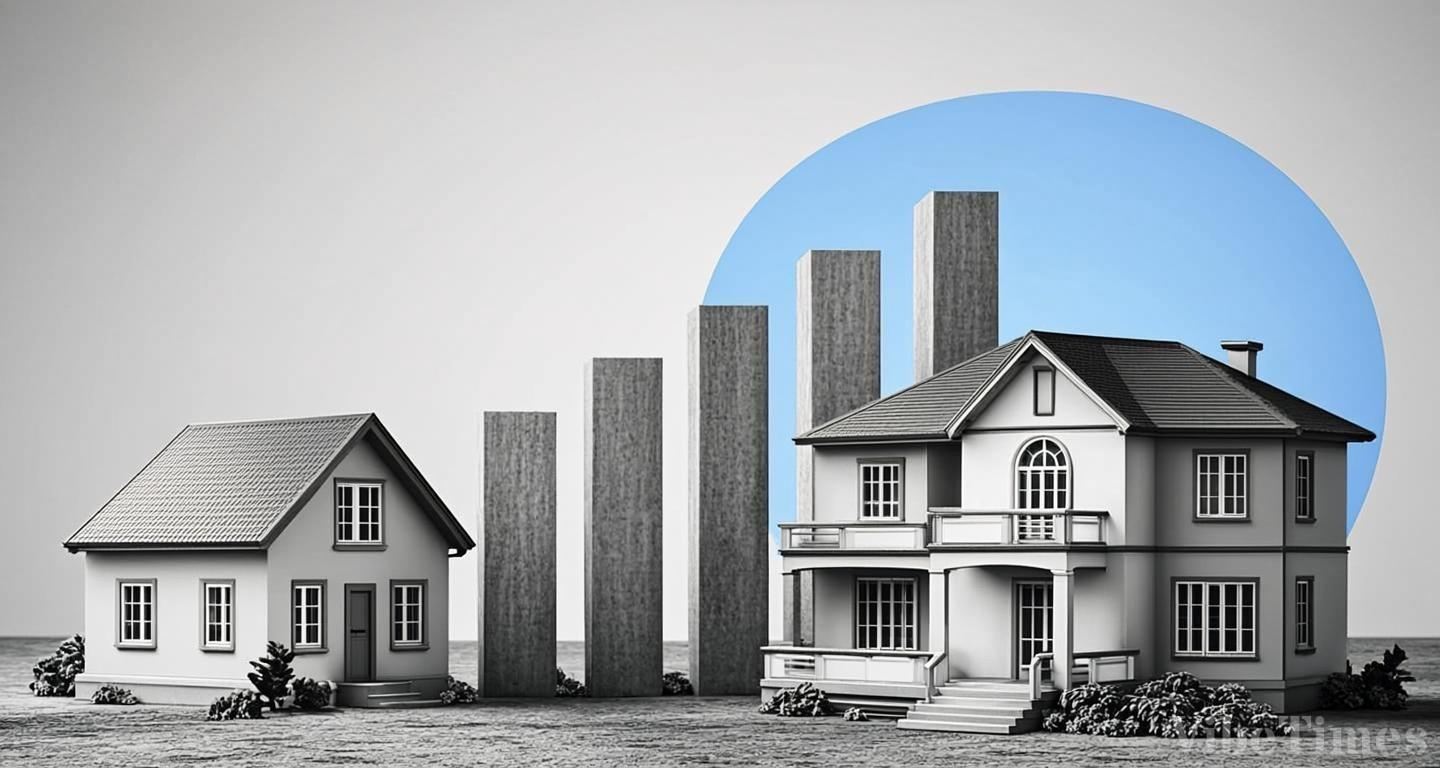
The average value of homes owned and lived in by households in the bottom 20% of asset holdings (first quintile) hit its lowest level since statistics began in 2017 last year, while the gap in home values with the top 20% (fifth quintile) reached a record 290.1 times, data from the national statistics portal (KOSIS) showed on the 26th. In the statistics, a 'residence' only includes homes actually owned and lived in at the reference point. Households living in jeonse or other rentals without owning a home are counted at a home value of zero won, and even households owning multiple properties only have the value of the home they actually live in reflected.
According to KOSIS, the average value of owner-occupied homes held by bottom-quintile households last year was 2.39 million won, down 9.1% from a year earlier — the lowest since 2017. The share of first-quintile households that owned their residence was 6.6%, down 0.8 percentage points from the previous year and an all-time low. The decline in the number of homeowners drove down the average value.
In contrast, the average value of homes occupied by fifth-quintile households was 693.41 million won, up 7.7% over the year — the second-highest level since 2017, after 2022 (746.35 million won). The share of fifth-quintile households owning their residence fell 1.2 percentage points to 82.5%, but the median home value of those owning stood at 720 million won, up 2.9%, pushing the average higher.
As the gap in residences widened, the overall asset gap including them also hit a record high. Average assets of first-quintile households fell 2.9% from a year earlier to 25.88 million won, while fifth-quintile households saw a 7.5% increase to 1.77615 billion won. As a result, the asset multiple of the fifth quintile relative to the first reached 68.6 times, surpassing the previous record of 64.0 times set in 2022.
Kim Kwang-seok, head of the Economic Research Office at the Korea Economic Research Institute, told Yonhap News: "The government does pay considerable attention to addressing real estate polarization, but since asset prices are ultimately set by the market, it has not produced results. What is needed is a focus on housing stability measures for vulnerable households, such as expanding rental housing for jeonse and monthly rent tenants and increasing public apartment supply for young people and newlywed couples." Industry observers assess that if investment and rental properties held separately by the top tier were included on top of the residence gap alone, the real estate divide could be even wider.