Could the HBM focus become a fatal misstep? CXMT smiles in the niche DRAM market

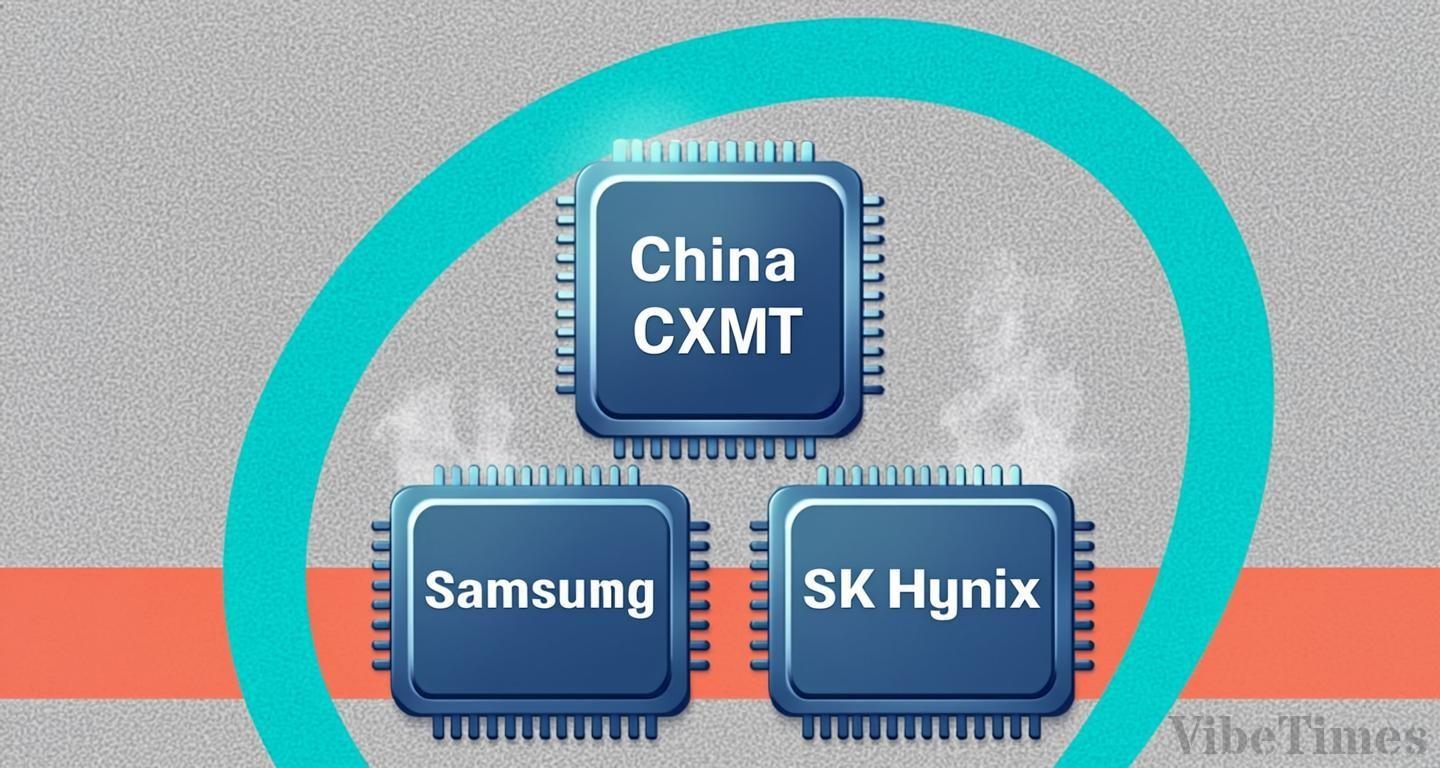
The 'HBM focus' of Samsung Electronics and SK hynix is nurturing China's CXMT. On the 28th, Reuters analyzed that the two companies' concentration of production capacity on high-margin HBM (high bandwidth memory, high-performance AI semiconductors) has given CXMT an opportunity to grow in the general DRAM (computer memory semiconductor) market. As HBM demand surged on expanding AI data center investment, Samsung Electronics, SK hynix, and Micron concentrated their investment in that market, leaving the supply of general DRAM and NAND flash (high-capacity storage semiconductors) limited — opening the door for Chinese companies to win more orders. The analysis noted that while CXMT's DRAM technology lags years behind its higher-tier rivals, recent market shifts have created an unprecedented growth opportunity.
Investment firm Bernstein predicted that CXMT's operating profit would grow from 8 billion yuan (about 1.6 trillion won) in 2025 to 643 billion yuan (about 129 trillion won) in 2027. It also forecast that the company could expand capacity by pouring more than 68 billion dollars (about 97 trillion won) into facility investment over the next three years. Research firm Counterpoint Research projected that CXMT's share of global DRAM shipments would rise from 8 percent in 2025 to 11 percent in 2028, adding that reaching at least 15 percent would give it a basis for long-term survival.
There are also forecasts that Chinese companies, after accumulating capital, could achieve results in developing next-generation technologies that leapfrog the existing competitive landscape. The Chinese government reportedly calls this strategy of catching up through next-generation technology development after capital accumulation 'changing lanes to overtake.'
Bloomberg reported on the 27th that CXMT's aggressive DRAM production investment is emerging as a substantial threat to the three memory giants — Samsung Electronics, SK hynix, and Micron. The analysis said that CXMT's technological lag is in fact spurring it to focus on expanding production, which could heighten the risk of oversupply across the industry. Billy Leung, investment strategist at US asset manager Global X, said, 'China's expanded DRAM production could add downward pressure on average memory semiconductor prices.' However, investment firm Macquarie viewed the risk of global oversupply as not significant, as Chinese memory companies' production capacity is not yet even sufficient to meet demand from their own domestic customers.
With assessments of CXMT's threat divided, the key question appears to be whether CXMT can secure market share in the DRAM market.
